
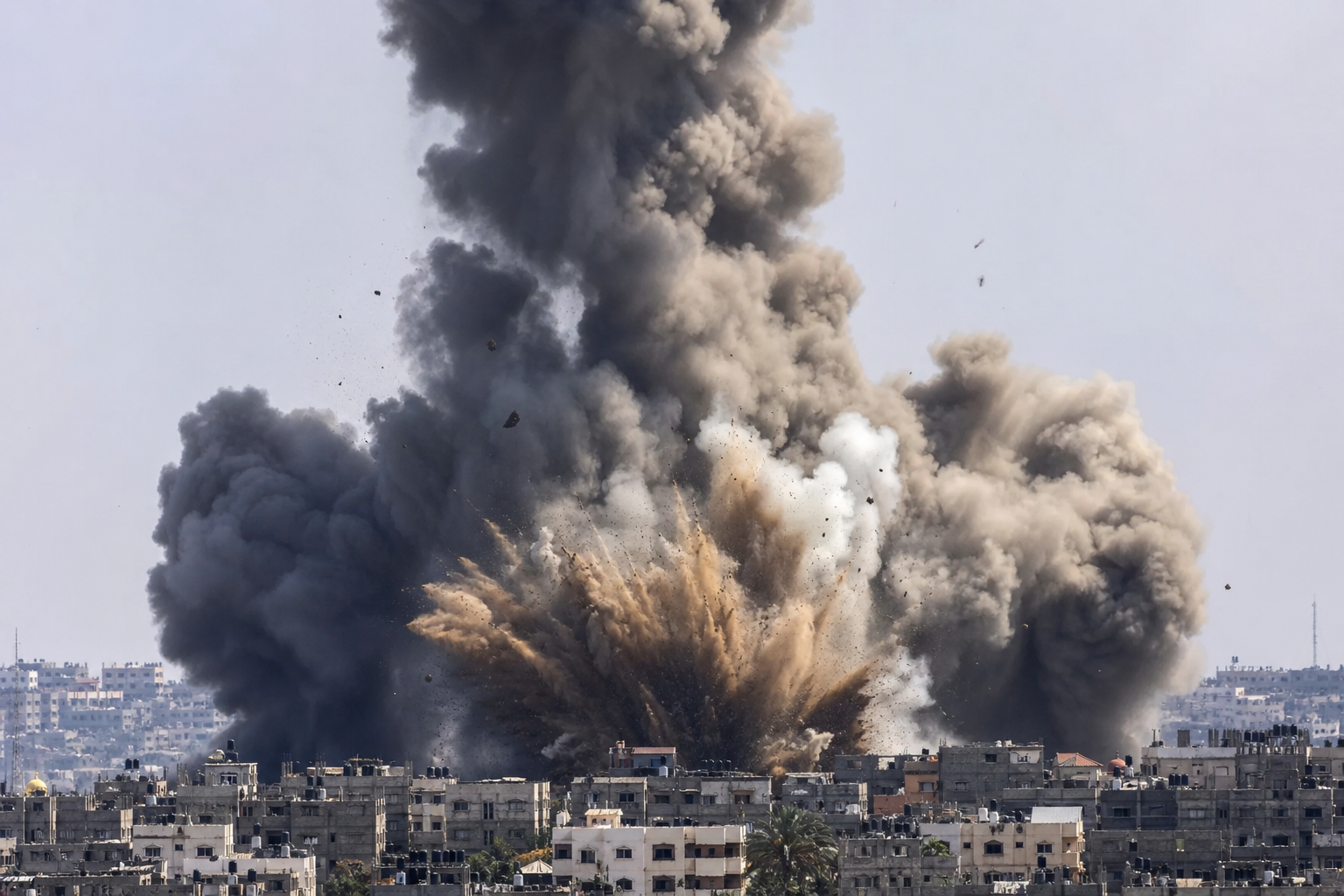
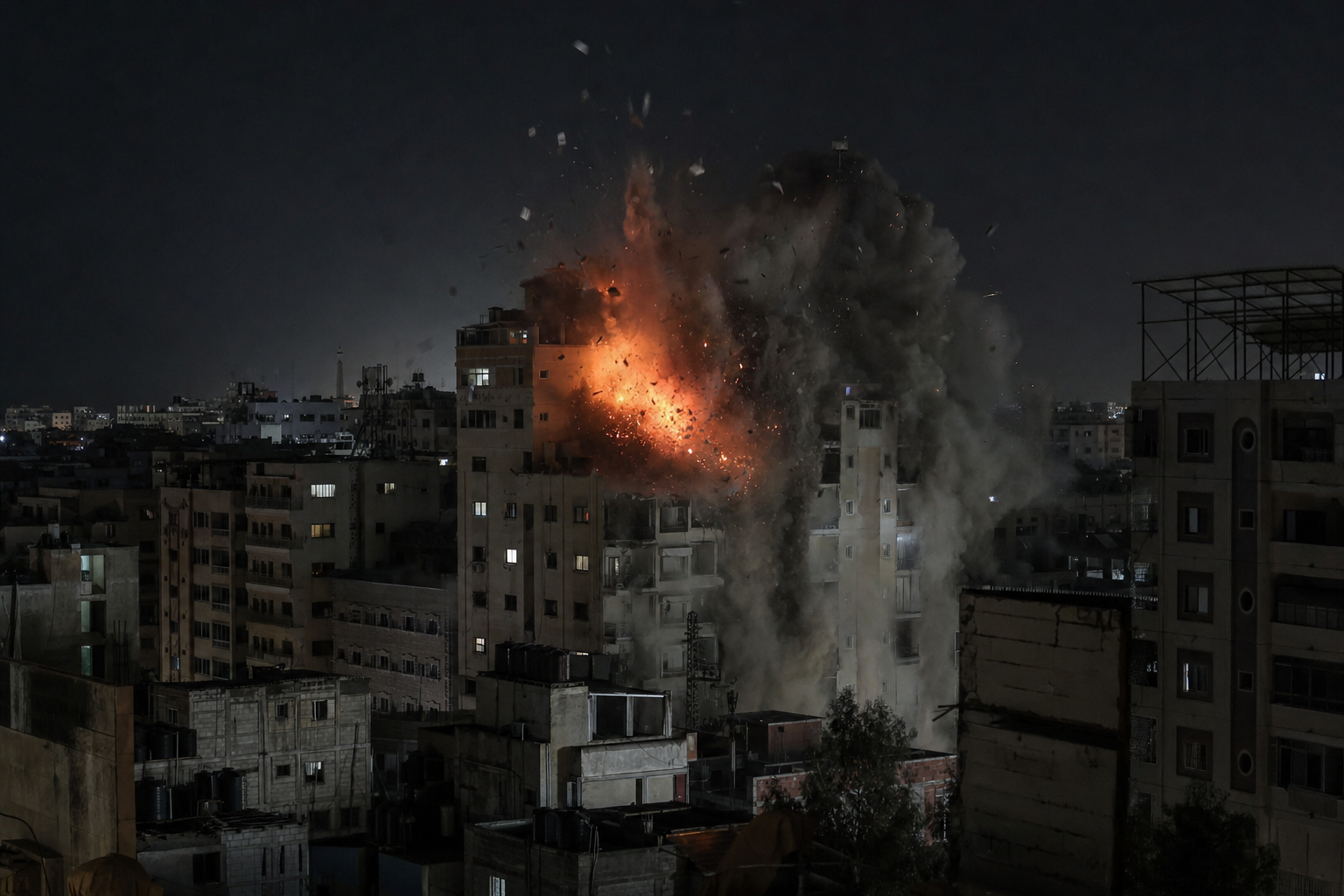
Israeli warplanes struck a residential building in Gaza City on May 15, 2026, killing Izz al-Din al-Haddad, the most senior Hamas military commander operating in the territory.
The Israel Defense Forces and Israeli Security Agency confirmed the operation as a precise strike targeting the commander of the Qassam Brigades. Reports indicate at least seven people died in the attack, including al-Haddad's wife and daughter.
Al-Haddad assumed leadership of Hamas military operations after Mohammed Sinwar's death in 2025. He ranked among the final surviving planners of the October 7, 2023 attacks and represented the highest-profile elimination since the US-brokered ceasefire took effect in October 2025.
Reuters confirmed Hamas verified al-Haddad's death and reported the funeral procession took place in Gaza City the following day. Palestinian sources described heavy attendance despite ongoing security concerns in the area.
Hazem Qassem, Hamas spokesman, called al-Haddad "one of the greatest fighters of our Palestinian people." The statement emphasized his long record of resistance activities against Israeli targets.
Israeli officials described the operation as a significant blow to Hamas command structure. The IDF statement highlighted precise intelligence that allowed forces to track al-Haddad's movements without broader ground operations.
Al-Haddad rose through Hamas ranks during years of tunnel construction and rocket development programs. He coordinated multiple border attacks and oversaw the integration of new weaponry obtained through smuggling networks.
The October 7 attacks killed over 1,200 people in southern Israel and took more than 250 hostages. Al-Haddad helped plan the timing and specific targets according to multiple intelligence assessments released after the assault.
His death leaves Hamas with a depleted senior military echelon. Successors face immediate pressure to reorganize operations under continued Israeli surveillance and targeted operations.
The 2025 ceasefire aimed to halt major hostilities after months of intense fighting. This strike tests the durability of that agreement and raises questions about enforcement mechanisms negotiated with US involvement.
US officials monitoring the situation expressed concern over potential escalation. They reiterated support for Israel's right to target Hamas leaders while urging restraint to avoid civilian casualties that could undermine diplomatic efforts.
Israeli political figures welcomed the news as evidence that security forces maintain strong operational reach inside Gaza. Opposition leaders called for sustained pressure until all hostages return and Hamas military capacity collapses entirely.
Local residents in Gaza City described scenes of destruction around the strike site. Rescue teams worked through the night to recover bodies from the rubble of the collapsed structure.
International reactions varied along predictable lines. European governments urged both sides to avoid actions that could restart full-scale fighting, while some Arab states issued standard condemnations of the civilian toll.
Intelligence analysts note al-Haddad's elimination removes a key link between Hamas political leadership abroad and fighters still active inside Gaza. This disconnect may slow decision-making for the group in coming weeks.
The strike follows a pattern of targeted killings that Israel has employed throughout the conflict. Each operation relies on detailed human and signals intelligence gathered over extended surveillance periods.
Palestinian health authorities in Gaza reported the seven fatalities included three other civilians besides al-Haddad's immediate family. They provided no immediate breakdown of ages or identities beyond the initial confirmation.
American lawmakers focused on the implications for hostage negotiations still underway. Several members of Congress issued statements supporting Israel's actions while stressing the need to secure remaining captives held since October 2023.
Hamas faces leadership challenges on multiple fronts. The loss of al-Haddad compounds difficulties created by earlier Israeli operations that removed other senior figures in both military and political wings.
Regional security experts expect Hamas to attempt retaliation through rocket fire or other asymmetric means. Israeli forces remain on heightened alert along the border and inside Gaza buffer zones.
The operation underscores Israel's ongoing commitment to degrade Hamas capabilities even after the formal ceasefire. Officials have stated repeatedly that military pressure continues until core demands are met.
Public reaction inside Israel showed strong support for the targeted strike. Social media posts and street interviews reflected widespread approval of the intelligence achievement and minimal collateral impact relative to past operations.
Future developments hinge on Hamas's response and whether the US can maintain diplomatic channels between the parties. Both sides retain significant capacity to disrupt the fragile calm established last year.