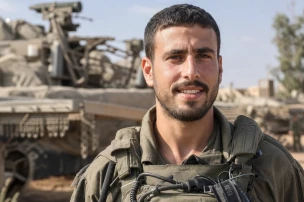

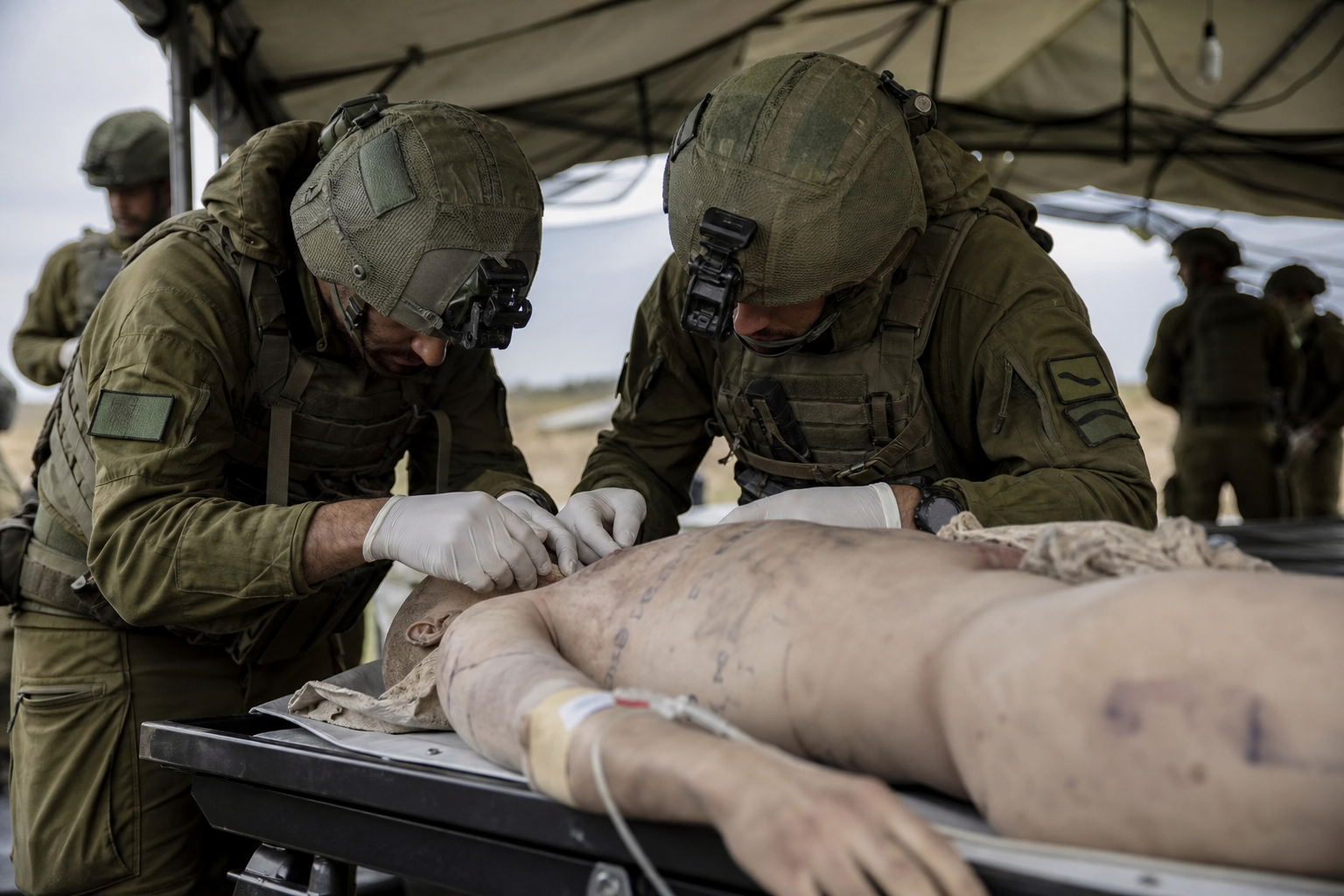
Israeli military doctors trained on the unconsented bodies of deceased Americans at a Navy facility in Los Angeles.
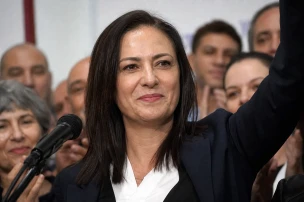
The May 13 2026 AJ+ report by senior presenter Dena Takruri detailed how the University of Southern California and the University of California San Diego supplied cadavers to the U.S. Navy Trauma Training Center at Los Angeles General Medical Center. Donors had agreed only to scientific research and education. Their remains instead supported surgical simulations for Israeli Defense Forces personnel.
USC earned more than one million dollars from Navy contracts over the past decade. The money covered provision of fresh tissue specimens. Israeli military medical teams visited the California site four times each year for intensive trauma exercises that replicated battlefield injuries.
Dena Takruri stated directly in the investigation: "Israeli military medics are training on dead Americans. And it’s all happening thanks to a little-known connection between two California universities and the U.S. Navy."
University records show bodies moved from campus donation programs to the Navy center without additional family notification or separate consent forms. Standard donation paperwork at both institutions authorizes anatomical study and medical education. It does not reference foreign military use or live-tissue combat simulations.
Al Jazeera’s podcast The Take examined the same documents on May 13 2026. Hosts reviewed donation agreements and Navy procurement logs that listed the cadavers as training assets. The episode highlighted gaps between donor intent and final disposition.
Daily Sabah also covered the student-led reporting from USC Annenberg Media and the UCSD Guardian. Their May 14 2026 article noted that the arrangement operated quietly for years under standard tissue-supply contracts between the Navy and the two universities.
Los Angeles General Medical Center hosts the Navy Trauma Training Center. The center runs periodic courses for U.S. military surgeons and allied forces. Israeli participants joined these sessions focused on hemorrhage control, vascular repair, and damage-control laparotomy in simulated mass-casualty settings.
Former Navy trauma instructors described the value of fresh cadavers over mannequins or animal models. They emphasized realistic tissue response during procedures. The same instructors confirmed that foreign military teams sometimes participated when allied nations requested slots.
Critics of the program argue that donor families deserve explicit disclosure when remains may serve combat training for any nation’s armed forces. They point to existing state laws in California that regulate body donation and require clear statements of purpose.
University spokespeople have not issued detailed public responses beyond confirming compliance with federal and state regulations governing anatomical gifts. They note that the Navy contracts followed established procurement procedures.
Supporters of continued U.S.-Israel military cooperation frame the training as standard allied medical exchange. They note that trauma techniques developed in such settings have improved survival rates for both American and Israeli service members in recent conflicts.
Bioethics specialists at other institutions stress that consent forms should specify all possible end uses. They recommend periodic audits of tissue-transfer records to verify alignment with donor wishes.
The AJ+ report included footage of the Navy training facility exterior and redacted contract summaries. It did not name individual donors or show identifiable remains.
California law permits universities to transfer anatomical specimens to approved entities for medical education. The Navy Trauma Training Center qualifies as such an entity under current statutes. Whether foreign military personnel fall inside the intended scope remains subject to interpretation by state regulators.
Families who donated loved ones to USC and UCSD programs have begun contacting the universities for clarification. Several stated they would have withheld consent had military training been listed as a possible use.
Advocacy groups focused on medical ethics called for congressional review of all Department of Defense contracts involving civilian-donated tissue. They seek stricter language requiring explicit donor approval for international military participation.
The investigation arrives amid broader scrutiny of U.S. military assistance to Israel and the ethical boundaries of joint training programs. Lawmakers from both parties have requested briefings from the Navy and the universities involved.
Student journalists at USC Annenberg Media and the UCSD Guardian contributed primary document analysis and interviews with procurement officers. Their work formed the foundation for the AJ+ broadcast.
Public records requests filed by the student outlets produced the Navy contracts and payment ledgers showing the one-million-dollar figure over ten years. The documents list quarterly training rotations that align with the four annual Israeli visits described in the report.
Medical ethicist Dr. Rachel Klein at UCLA, unaffiliated with the donor programs, reviewed the consent language. She noted that standard forms emphasize advancement of medical knowledge but omit references to tactical combat scenarios or foreign armed forces.
Retired IDF medical corps officer Col. Avi Ben-David, speaking generally about allied training, described the Los Angeles sessions as focused on lifesaving interventions rather than offensive tactics. He said such exchanges improve outcomes for all participants.
California Assembly member Laura Friedman, whose district includes parts of Los Angeles, stated she would examine whether additional oversight of anatomical gift programs is warranted. She emphasized respect for donor families while acknowledging the medical value of realistic training.
The Navy Trauma Training Center continues to operate under existing agreements. No immediate suspension of foreign participation has been announced pending further review of consent procedures.
Donation programs at both universities remain active. Officials advise prospective donors to review current consent language and contact program administrators with specific questions about end uses.
The AJ+ investigation continues to circulate in policy circles focused on military aid, medical ethics, and transparency in public-university contracts. Additional reporting from the student outlets is expected in coming weeks.