
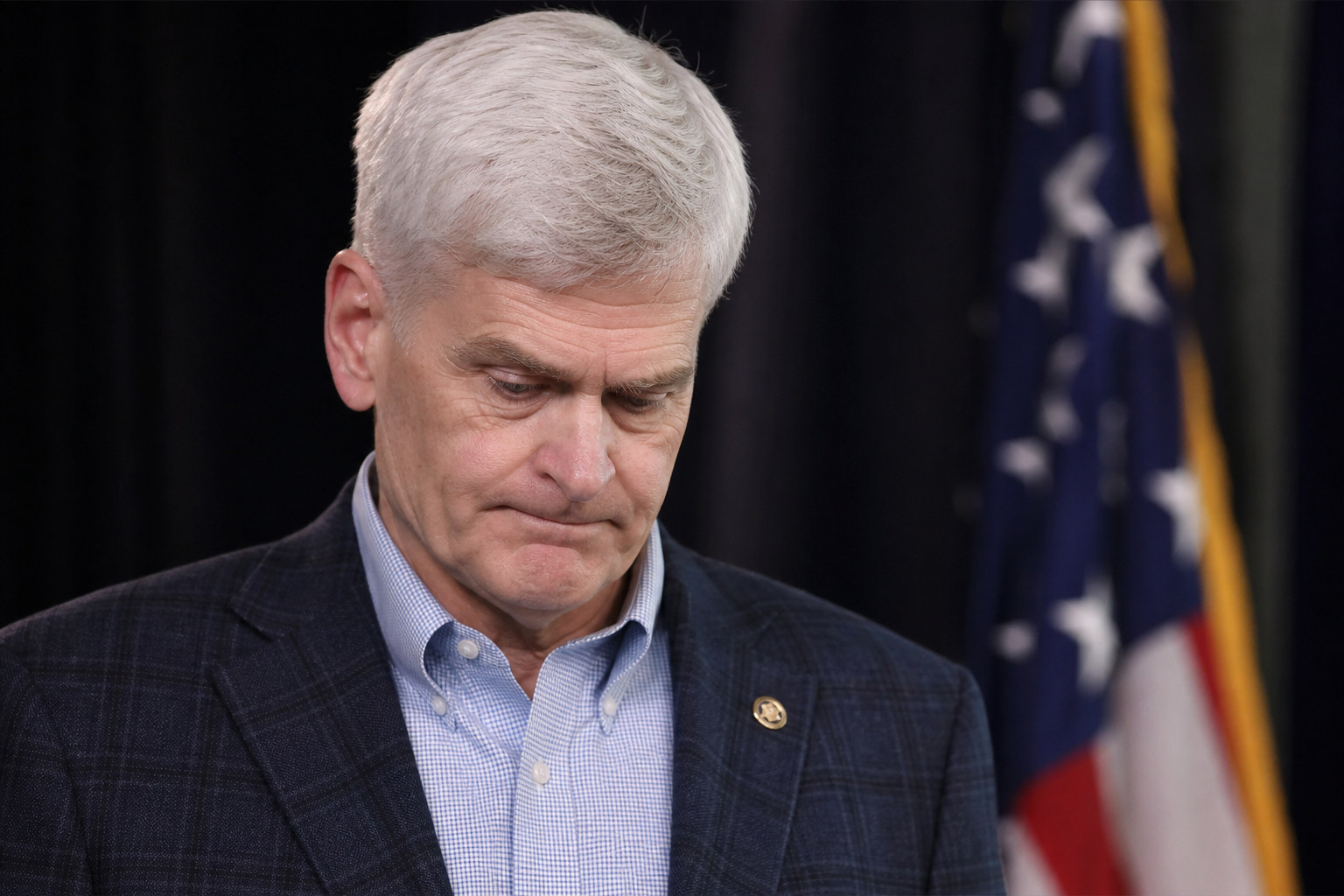
Incumbent Senator Bill Cassidy saw his reelection bid collapse on May 16 when Louisiana Republicans sent two other candidates ahead of him in the party primary.
Rep. Julia Letlow, backed by President Trump, captured about 45 percent of the vote while state Treasurer John Fleming took roughly 28 percent. Cassidy received approximately 25 percent and finished third, ending his campaign for another term.
Cassidy quickly reached out to both Letlow and Fleming. "I have spoken with Julia and I congratulated them both. This was not the result that I necessarily wanted," Sen. Bill Cassidy said after the results became clear.
The outcome hands Trump another clear victory in shaping the Republican field for the 2026 midterms. Letlow entered the race with the president’s explicit endorsement and now stands as the frontrunner heading into the June 27 runoff.
Fleming, long aligned with the MAGA movement, positioned himself as a conservative alternative and drew enough support to force the two-way contest. His strong showing underscores the continued pull of Trump-style candidates in Louisiana Republican politics.
Letlow has served in the House since winning a special election in 2021. She built a record focused on agriculture, energy, and veterans’ issues while maintaining close ties to the Trump orbit during the campaign.
Fleming previously represented Louisiana in Congress and later served as state treasurer. He emphasized border security, fiscal restraint, and loyalty to Trump’s agenda throughout the primary.
Cassidy had represented Louisiana in the Senate since 2015. His vote to convict Trump during the second impeachment trial created lasting friction with the president and segments of the state’s Republican base.
Primary voters appeared to punish Cassidy for that break with Trump. Turnout favored candidates who pledged full alignment with the former president’s priorities on trade, immigration, and judicial appointments.
The June 27 runoff will decide the Republican nominee for the general election. Louisiana’s open primary system means the winner will face any Democratic or independent challengers who qualify for the November ballot.
National Republican strategists view the seat as safely red. The real contest remains inside the party, where Trump’s endorsement has repeatedly proven decisive in recent cycles.
Letlow’s campaign stressed continuity with Trump policies on energy production and rural broadband expansion. Fleming highlighted his executive experience as treasurer and his willingness to challenge establishment figures.
Cassidy’s defeat follows a pattern seen in other states where incumbents who crossed Trump faced primary challenges from his allies. The Louisiana result reinforces the former president’s influence over GOP nominations even out of office.
Both Letlow and Fleming will now compete directly for the nomination. The runoff will test whether Letlow’s House profile and Trump backing can overcome Fleming’s grassroots conservative support.
Early indications suggest Letlow enters the runoff with a fundraising and organizational edge. Fleming, however, has shown he can mobilize voters skeptical of Washington insiders.
The race will likely center on which candidate best embodies Trump’s agenda for the next Senate term. Both finalists have pledged to support the president’s legislative priorities if elected.
Cassidy’s exit removes one of the remaining Senate Republicans who voted to convict Trump. His departure further cements the party’s shift toward candidates who maintain unwavering loyalty to the former president.
Observers expect the runoff campaign to remain focused on economic issues important to Louisiana voters, including oil and gas policy, port infrastructure, and agricultural subsidies.
With the general election still months away, the Republican nominee will face minimal opposition. The decisive contest for control of the seat occurs on June 27.
Letlow and Fleming both thanked supporters and pledged positive campaigns in the coming weeks. Their focus now turns to consolidating the Republican vote ahead of the runoff.