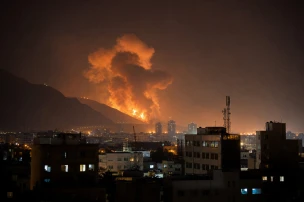

Israeli drone strikes killed 12 civilians in southern Lebanon on May 13, 2026, pushing the tenuous ceasefire with Hezbollah toward collapse.
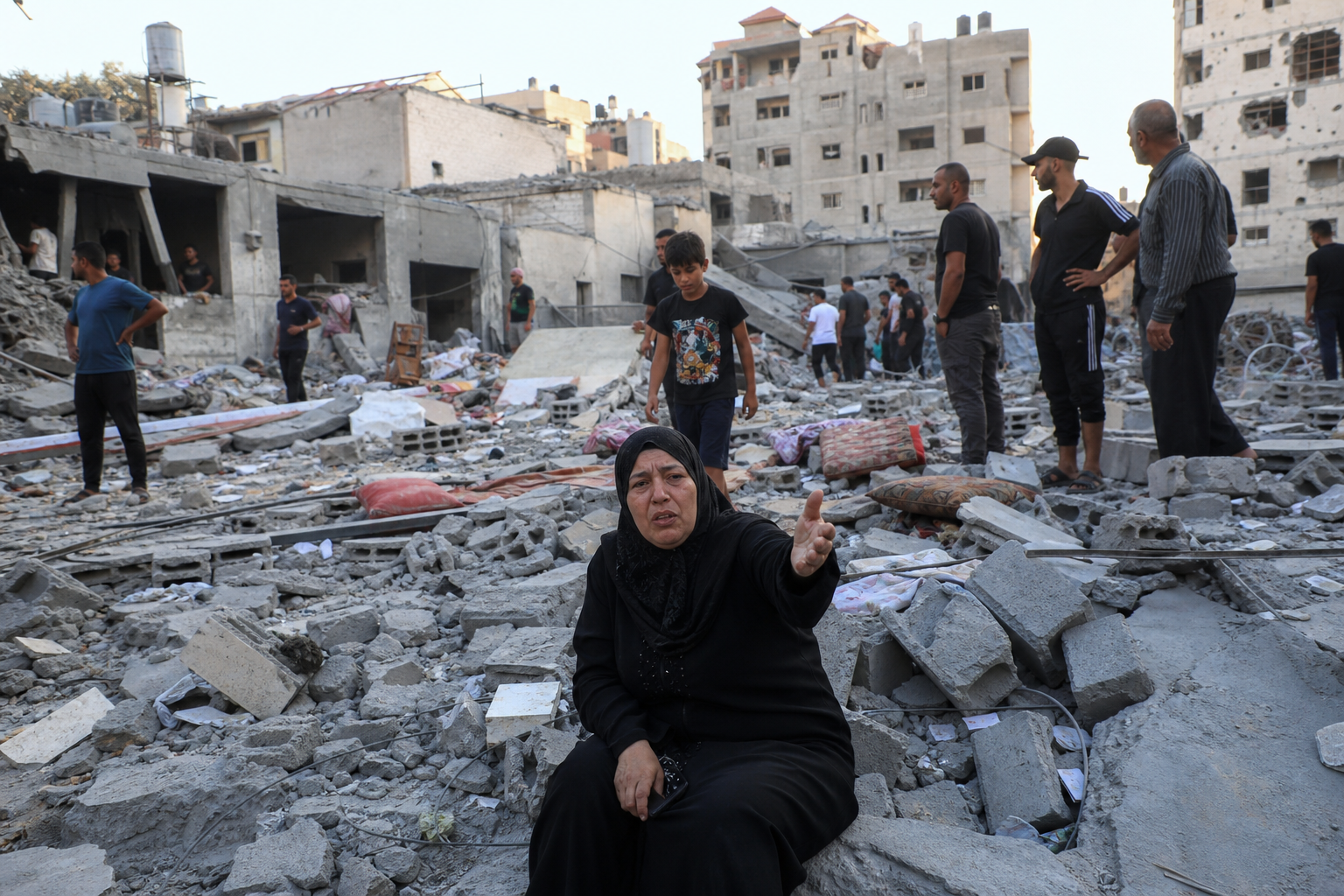
The attacks targeted vehicles traveling along the coastal highway south of Beirut near Sidon and Tyre. Among the dead were a woman and two children, according to Lebanese authorities on the scene.
Rescue teams arrived quickly but found the sites devastated by precision munitions. Survivors described sudden explosions that left little chance for escape.
This latest round brings the total Lebanese deaths since March 2 to 2,882. The figures underscore the sustained pressure on communities already strained by months of conflict.
The strikes occurred just days before the U.S.-brokered ceasefire is set to expire around May 17. That truce began with a 10-day period and was later extended by three weeks under fragile conditions.
Lebanese President Joseph Aoun urged the U.S. to pressure Israel to cease fire and stop home demolitions in the south. His remarks came amid reports of continued destruction in border villages.
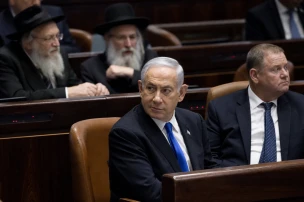
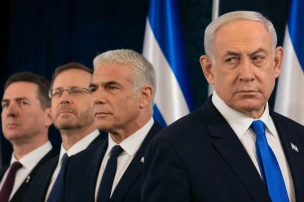
Israeli Prime Minister Benjamin Netanyahu stated that Hezbollah's disarmament would be a fundamental demand in peace talks with Lebanon. He made clear that lasting security requires the group to relinquish its weapons.
U.S. diplomats have scheduled the third round of direct talks for May 14-15 in Washington. The meetings seek to advance a comprehensive peace and security agreement covering border issues and long-term stability.
Both sides continue to exchange accusations of violations. Israeli forces maintain operations against what they call Hezbollah infrastructure while the group responds with limited fire across the border.
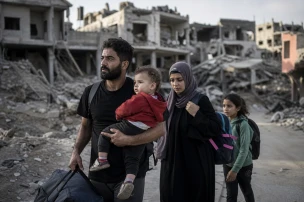
Civilians in Sidon and Tyre report constant fear as strikes persist on roads and near residential areas. Many families have already fled their homes following earlier demolitions.
The Washington talks represent the final major diplomatic push before the May 17 deadline. Failure could trigger a rapid return to wider fighting that affects the entire region.
Lebanese negotiators arrive with demands for an immediate halt to incursions and reconstruction support. Israeli representatives insist on verifiable steps to remove Hezbollah threats from the border zone.
U.S. mediators plan phased proposals that address disarmament timelines alongside security guarantees. Time pressure remains intense with only days left on the current truce.
Local hospitals in southern Lebanon treated additional wounded from the May 13 attacks though most victims died instantly. The coastal highway has turned into a high-risk corridor for any movement.
Humanitarian groups face growing obstacles delivering aid amid ongoing operations. Access to affected villages remains restricted by security concerns on both sides.
Reuters reported precise details of the drone strikes and casualty numbers from the coastal attacks. Al Jazeera documented the pattern of violations and their effect on daily life in Tyre and Sidon.
NBC News noted the urgency of the Washington session given the approaching expiry date. Diplomats from all parties acknowledge the narrow window for progress.
Domestic pressures mount in both countries. Lebanese public opinion supports resistance to further Israeli actions while Israeli communities demand concrete border security.
The talks will also touch on economic incentives tied to any agreement. Reconstruction funding for Lebanon and strengthened monitoring mechanisms for Israel remain under discussion.
Regional actors watch closely as the outcome could influence broader dynamics across the Levant. A collapse risks drawing in additional players and extending the conflict.
Officials emphasize that the current framework offers the last structured opportunity to prevent total breakdown. Both leaderships face difficult choices in the coming hours.
The human cost continues to rise with each new incident. Families in southern Lebanon mourn losses while hoping the Washington meetings can deliver immediate relief.
Israeli officials maintain that operations target only militant capabilities. Lebanese authorities counter that civilian areas suffer disproportionate damage.
The coming days will test whether diplomacy can still contain the situation. All eyes remain fixed on the results from the U.S. capital.