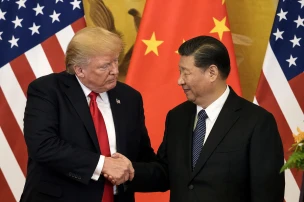

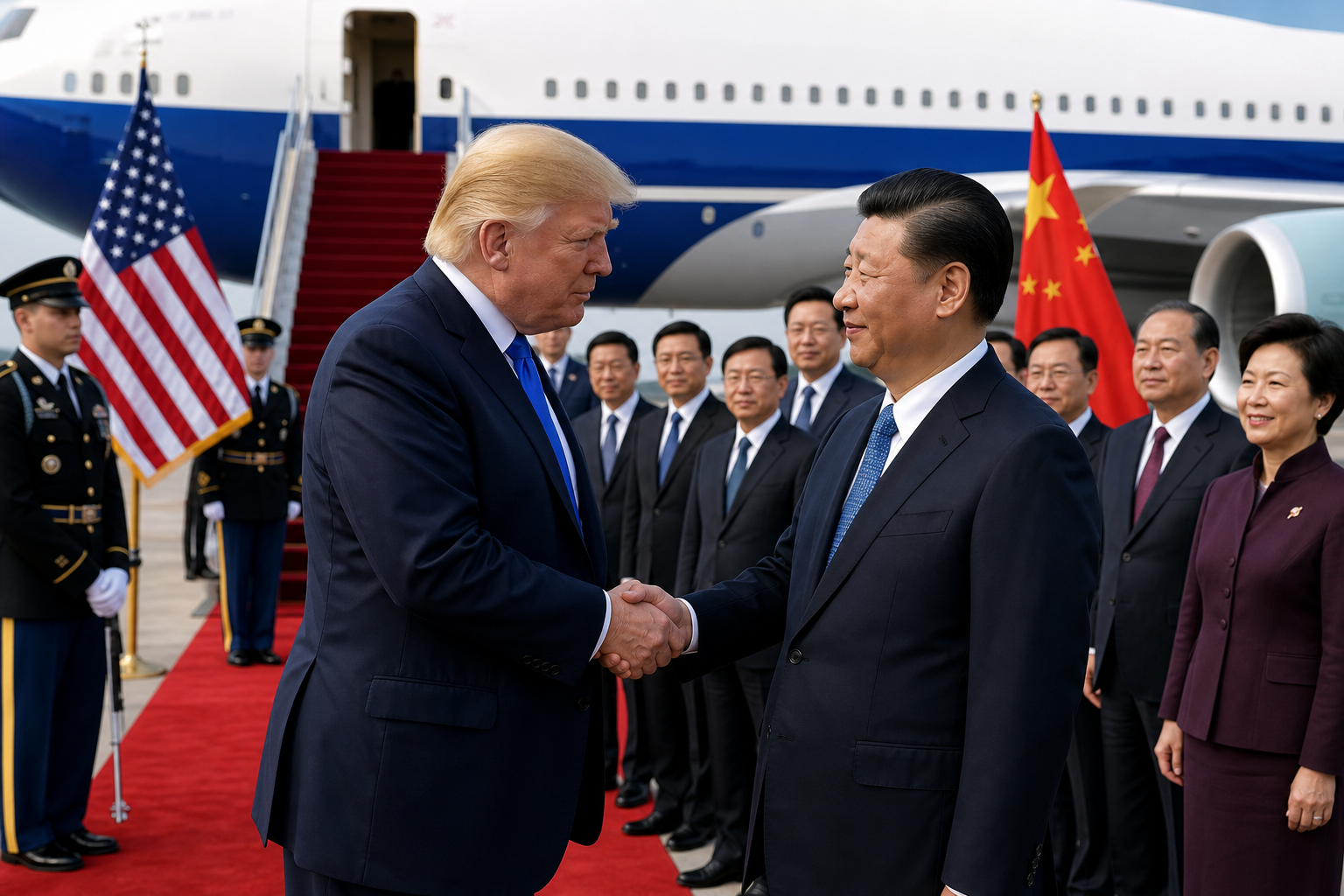
Donald Trump emerged from talks with Xi Jinping in Beijing with word that China would buy 200 Boeing jets, the first large American aircraft order from the country in nearly a decade.
The May 14 2026 announcement formed part of wider agreements on US farm exports and rare earth supplies while extending the October 2025 trade truce and creating new channels to resolve future disputes before they grow.
Trump highlighted the jet commitment during remarks after the meeting ended.
"One thing he agreed to today, he’s going to order 200 jets. That’s a big thing. Boeings," he said.
The number fell short of some analyst forecasts that reached 500 planes, and Boeing shares dropped more than 4 percent on the news, Reuters reported.
The order covers deliveries over several years and is expected to support production lines and jobs at Boeing facilities in Washington state.
China’s aviation market continues to expand rapidly with rising domestic travel demand, making the purchase strategically important for both the airline fleet renewal and Boeing’s recovery from earlier production challenges.
Alongside the aircraft deal, China committed to increased purchases of American agricultural goods including soybeans and corn, providing relief to US farmers who faced export disruptions during earlier tariff rounds.
Rare earth elements also featured in the agreements, with China pledging steady supplies of materials vital for electronics, electric vehicles and defense systems.
These elements remain critical because China controls the majority of global processing capacity, and previous export limits had raised costs for manufacturers worldwide.
Leaders established bilateral mechanisms including regular senior official meetings and a direct communication line to address trade frictions quickly and prevent minor disagreements from escalating into broader tariff conflicts.
The framework builds on the existing truce and aims to give businesses greater predictability in cross-border operations.
US Trade Representative officials described the mechanisms as practical tools that allow both sides to raise concerns early and seek solutions without immediate public confrontation.
Industry analysts noted that the 200-jet figure, while meaningful, reflects continued caution on both sides amid unresolved issues over technology transfers and market access.
Boeing executives expressed satisfaction with the order volume, saying it demonstrates renewed confidence in the company’s commercial aircraft amid competition from Airbus.
Chinese aviation regulators indicated the planes would help meet growing passenger traffic needs on domestic and international routes.
Global supply chains stand to benefit from the stability promised by the rare earth and farm goods components of the package, which could moderate price volatility in key commodities.
Economists at major banks projected modest positive effects on US export figures in the coming quarters provided the commitments are implemented on schedule.
Market reaction remained measured, with investors watching for concrete delivery schedules and follow-through on the dispute resolution procedures.
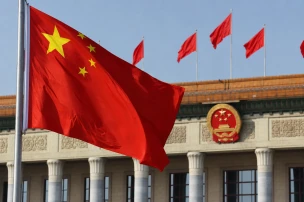
The summit setting in Beijing featured standard ceremonial elements alongside extended private discussions on economic and regional security topics.
Trump traveled with a team of trade and business advisors who participated directly in finalizing the aircraft and commodity terms.
Chinese state media emphasized the mutual benefits of the agreements and the importance of maintaining open trade channels between the world’s two largest economies.
US farm state lawmakers welcomed the agricultural commitments, noting that steady export demand helps support rural communities still recovering from prior market losses.
Trade experts at Washington think tanks stressed that the new mechanisms could prove more durable than previous informal arrangements if both governments maintain political will to use them.
Implementation details, including specific aircraft models and delivery timelines, are expected to be finalized in follow-up technical talks over the next several months.
The overall package signals incremental progress in a relationship still marked by competition in technology and investment policy.
Observers will monitor upcoming trade data and any early use of the new consultation channels to gauge whether the summit outcomes translate into lasting improvements in bilateral economic ties.