
US and Israeli military planners have selected specific targets inside Iran for potential airstrikes as early as next week.
CNN reported on May 5, 2026, that the two countries are coordinating on a list that includes energy production sites and senior Iranian officials. The planning began in early April 2026 right after the start of the current ceasefire between Israel and Iran. Any final order would come from US President Donald Trump.
Israeli officials described the goal as a brief series of operations meant to push Tehran toward additional compromises during ongoing talks. An official cited by both CNN and Haaretz said the intention would be to carry out a short campaign aimed at pressuring Iran into further concessions in negotiations.
The reported targets center on facilities tied to oil exports and refining capacity. Such sites sit near key shipping lanes in the Strait of Hormuz, a narrow waterway that handles a large share of global crude shipments. Strikes there could temporarily reduce Iranian output and raise insurance costs for tankers passing through the area.
American and Israeli officers have reviewed operational details over several weeks. The approach avoids prolonged engagement and instead relies on precision strikes followed by rapid withdrawal. Planners examined air routes, refueling needs, and electronic warfare support to limit exposure to Iranian air defenses.
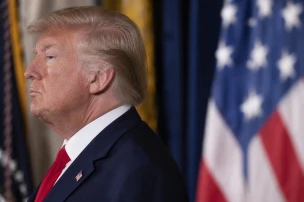
Trump holds the final say on whether the operation moves forward. His national security team has presented updated assessments of Iranian responses and the likely reaction from regional partners. Officials in Washington continue to weigh the diplomatic costs against the chance to strengthen leverage in talks over Iran’s nuclear program and support for proxy forces.
Haaretz confirmed the core elements of the CNN account on the same day. Reporters there noted that Israeli defense planners completed initial target packages weeks earlier and forwarded them through secure channels to their American counterparts. The reporting also highlighted that the ceasefire reached in April remains fragile, with both sides accusing the other of violations.
Iran International summarized the same CNN findings and added that Iranian authorities have increased alerts at oil terminals along the Persian Gulf coast. State media in Tehran dismissed the reports as psychological pressure, yet port activity showed signs of precautionary measures including reduced tanker traffic and extra security personnel.
Energy analysts note that even limited damage to Iranian export terminals could lift crude prices by several dollars per barrel within days. Markets have already priced in some risk premium because of the recent ceasefire and continued disputes over shipping lanes. A successful short campaign might lower that premium if it leads to renewed negotiations, while any Iranian retaliation that closes the strait would drive prices sharply higher.
Israeli military sources emphasize that the operation would remain narrowly focused. They say commanders have ruled out strikes on nuclear sites at this stage to avoid broader escalation. Instead, the emphasis stays on economic pressure points that could force Iranian negotiators back to the table with fewer preconditions.
US Central Command has maintained an increased naval presence in the region since the ceasefire took effect. Carrier strike groups and destroyer escorts continue routine patrols while monitoring Iranian fast-boat activity and shore-based missile batteries. American officials have stressed that their role so far is limited to planning support and intelligence sharing rather than direct participation in any strike package.
Regional governments have watched the developments closely. Gulf states that rely on stable oil flows through the strait have urged both Washington and Jerusalem to avoid steps that could destabilize energy markets. European diplomats have also contacted their American counterparts to stress the need for de-escalation and continued diplomatic channels.
Inside Israel, the prospect of renewed action against Iran has drawn mixed reactions. Security cabinet members who favor strong deterrence argue that targeted strikes could reset Iranian calculations after months of proxy attacks. Others caution that any operation carries the risk of drawing Israel into a wider conflict at a time when domestic resources remain stretched.
Trump administration officials have declined to comment on specific target lists. They have reiterated that the president will base any decision on the latest intelligence and on progress, or lack of it, in the current round of indirect talks with Iran. Those talks focus on limits to uranium enrichment and restrictions on missile development.
The timeline remains fluid. Sources close to the planning process say the earliest feasible window for strikes would open in the week beginning May 18, 2026, assuming weather, intelligence updates, and political approval all align. Delays could push action into late May or early June if negotiators show signs of movement.
Both CNN and Haaretz stressed that no final decision has been reached. The target preparation serves as a contingency option rather than an imminent order. Israeli and American officers continue to refine details while diplomats pursue parallel efforts to revive the ceasefire framework and expand confidence-building measures.
Observers in Washington note that Trump’s previous term featured a mix of maximum-pressure sanctions and selective military responses. Current advisers appear to be studying that record as they present options for the present situation. The emphasis on energy infrastructure reflects a calculation that economic pain may prove more effective than symbolic strikes in altering Iranian behavior.
Iranian officials have warned that any attack on their territory would trigger a forceful reply, possibly including disruption of shipping or activation of allied militias across the region. Those warnings have prompted additional alerts at American bases in Iraq and Syria as well as heightened readiness among Israeli civil defense units.
Oil traders have begun adjusting positions in anticipation of possible volatility. Futures contracts for June delivery showed increased volume this week as participants factored in the risk of supply interruptions. Analysts at major banks issued notes outlining scenarios ranging from minimal price impact under a quick, contained operation to sustained spikes if the strait faces closure.
The coordination between the two allies builds on long-standing intelligence and operational ties. Joint working groups have met regularly since the April ceasefire to assess Iranian compliance and to update contingency plans. The current target list represents the latest iteration of that ongoing effort.
Whether the strikes ultimately occur will depend on several moving parts: the status of negotiations, Iranian actions in the interim, and the president’s assessment of domestic political support. For now, the preparation itself signals that both Washington and Jerusalem are keeping military options on the table while diplomatic tracks remain active.
Additional reporting from the region indicates that Israeli air force units have conducted extra training flights in recent days, though officials describe the activity as routine. American reconnaissance assets have also stepped up collection over Iranian territory, providing fresh imagery for target folders.
The coming days will clarify whether the reported planning stays in the realm of contingency or moves into active execution. Both capitals continue to balance the desire for leverage against the dangers of renewed open conflict in an already volatile region.