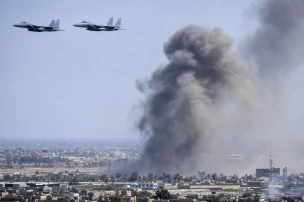

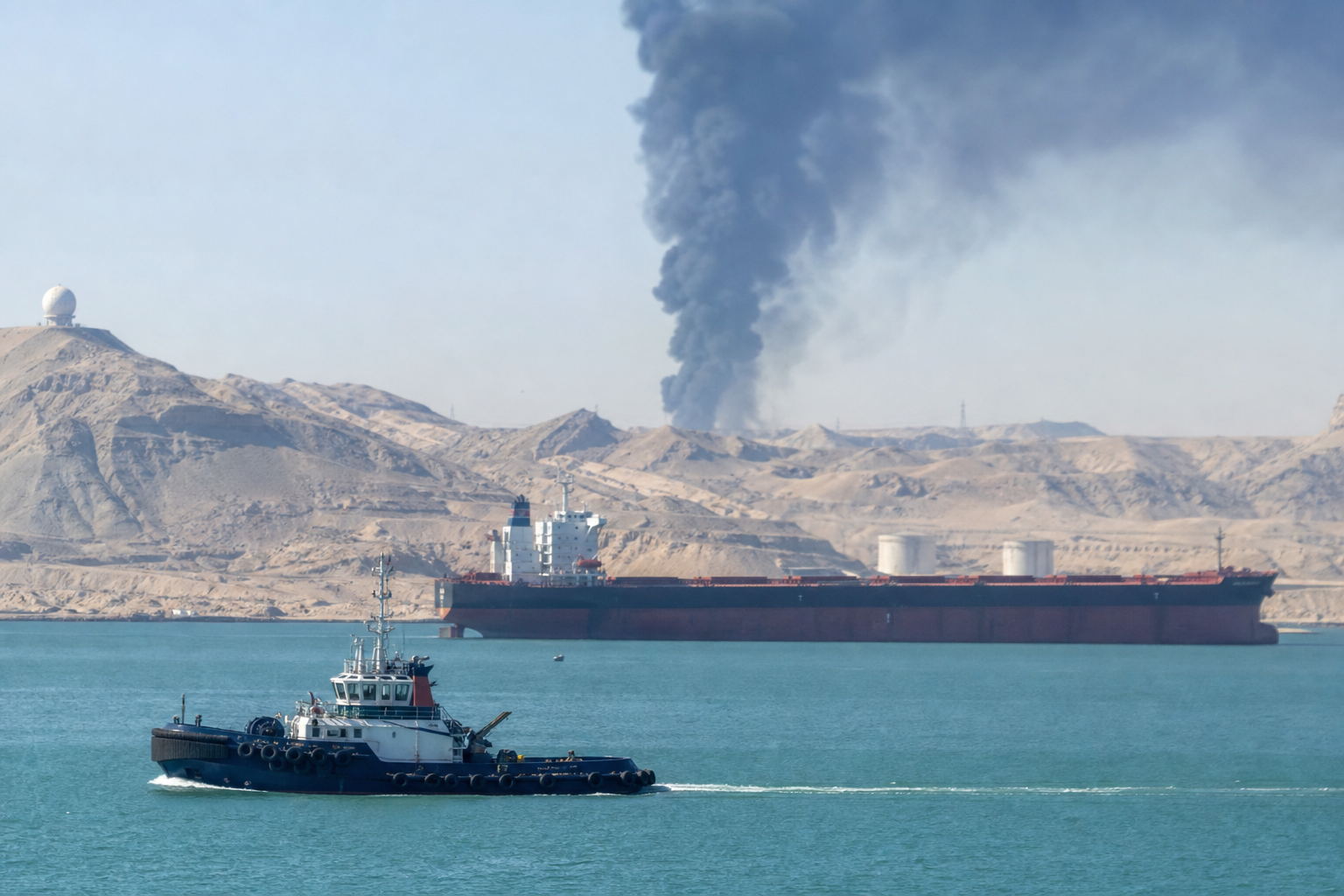
Viral videos claiming that US Navy forces downed two Iranian fighter jets attempting to target an American vessel in the Strait of Hormuz have circulated widely in American and Israeli news circles without official confirmation.
US Central Command stated clearly that no US Navy ships have been struck and that forces continue enforcing the naval blockade on Iranian ports. The command emphasized ongoing operations to maintain freedom of navigation through the vital waterway that carries a significant portion of global oil shipments.
Admiral Brad Cooper, CENTCOM Commander, described recent events in direct terms. "U.S. forces intercepted unprovoked Iranian attacks and responded with self-defense strikes as U.S. Navy guided-missile destroyers transited the Strait of Hormuz," he said.
These incidents occurred against a backdrop of dueling blockades reported as early as May 4, 2026. Iranian forces have targeted commercial shipping lanes while US warships countered threats from small boats, missiles, and drones.
On May 7, 2026, three US destroyers came under attack. The USS Truxtun, USS Mason, and USS Rafael Peralta faced coordinated Iranian missile and drone strikes according to details released by Stars and Stripes. US forces destroyed six Iranian small boats in one prior related clash during the same period of heightened activity.
CBS News reported subsequent US strikes on Iranian ports and missile sites as part of the response to protect naval assets and commercial traffic. Iranian statements claimed only warning shots were fired and denied any major engagements involving fighter jets.
The Strait of Hormuz remains a critical chokepoint where approximately 20 percent of global oil trade passes daily. Any disruption here immediately affects energy prices worldwide and heightens concerns in both Washington and Jerusalem about supply security.
Israeli officials have closely monitored these developments because of longstanding Iranian threats to close the strait in retaliation for sanctions and Israeli actions against Iranian proxies. The current naval friction adds another layer to the broader shadow conflict between Israel and Iran that includes strikes on shipping in the Red Sea and Gulf waters.
American military dominance in the region has been demonstrated through rapid interception of incoming threats and precise responses against attacking vessels. No evidence has emerged of Iranian fighter jets being engaged or eliminated by US forces during these specific transits.
Independent verification of the viral clips remains absent. Pentagon spokespersons have not released footage or statements supporting claims of jet shootdowns. Analysts note that such dramatic footage often spreads rapidly on social media before facts are established.
Regional shipping companies have increased insurance premiums for vessels transiting the area. Several tankers have rerouted around the Cape of Good Hope to avoid potential escalation between US and Iranian forces.
US Navy assets in the region include additional guided-missile destroyers and support vessels tasked with protecting both military and commercial traffic. These deployments build on years of experience countering Iranian harassment tactics that include fast-boat swarms and anti-ship missile launches.
The May 7 attacks on the three destroyers represent the most direct challenge to US naval presence in the strait since the start of the current blockade enforcement. US officials described the Iranian actions as unprovoked and dangerous to international shipping lanes.
Israeli defense sources have expressed support for American efforts to keep the strait open. They view Iranian naval activity as part of a larger strategy to pressure both Israel and its allies through economic disruption and proxy warfare.
Historical patterns show that Iran has periodically threatened to close the Strait of Hormuz during periods of heightened sanctions or military confrontation. Previous incidents involved mines, small boat harassment, and seizure of commercial vessels.
Current operations by US forces focus on escorting ships and neutralizing immediate threats rather than offensive strikes on Iranian territory. This measured approach aligns with longstanding US policy of maintaining open sea lanes without seeking broader war.
Reactions in Israeli media have highlighted the strength of the US Navy response and drawn parallels to Israel's own need to counter Iranian aggression in multiple theaters. Shared intelligence between the two countries on Iranian naval movements has reportedly increased in recent weeks.
Oil markets reacted with modest price increases following reports of the May 7 incidents. Traders remain watchful for any sign that tensions could expand beyond limited naval exchanges.
Admiral Cooper reiterated that American forces will continue to exercise the right of self-defense while operating in international waters. He stressed that all actions taken were in direct response to threats against US personnel and vessels.
The absence of confirmed fighter jet engagements suggests that Iranian air forces have not been committed to direct confrontation with US Navy surface ships in this latest round of tensions. Most reported threats have involved smaller, asymmetric assets.
Both American and Israeli policymakers continue to assess how these naval incidents fit into the larger pattern of Iranian behavior across the Middle East. The focus remains on deterrence and protection of vital maritime routes rather than escalation to wider conflict.
Further updates from CENTCOM are expected as the situation develops. Officials have urged the public to rely on verified military statements rather than unconfirmed social media videos when following events in the Strait of Hormuz.