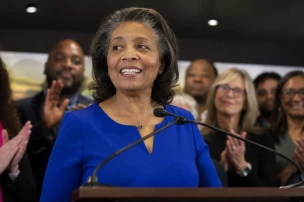

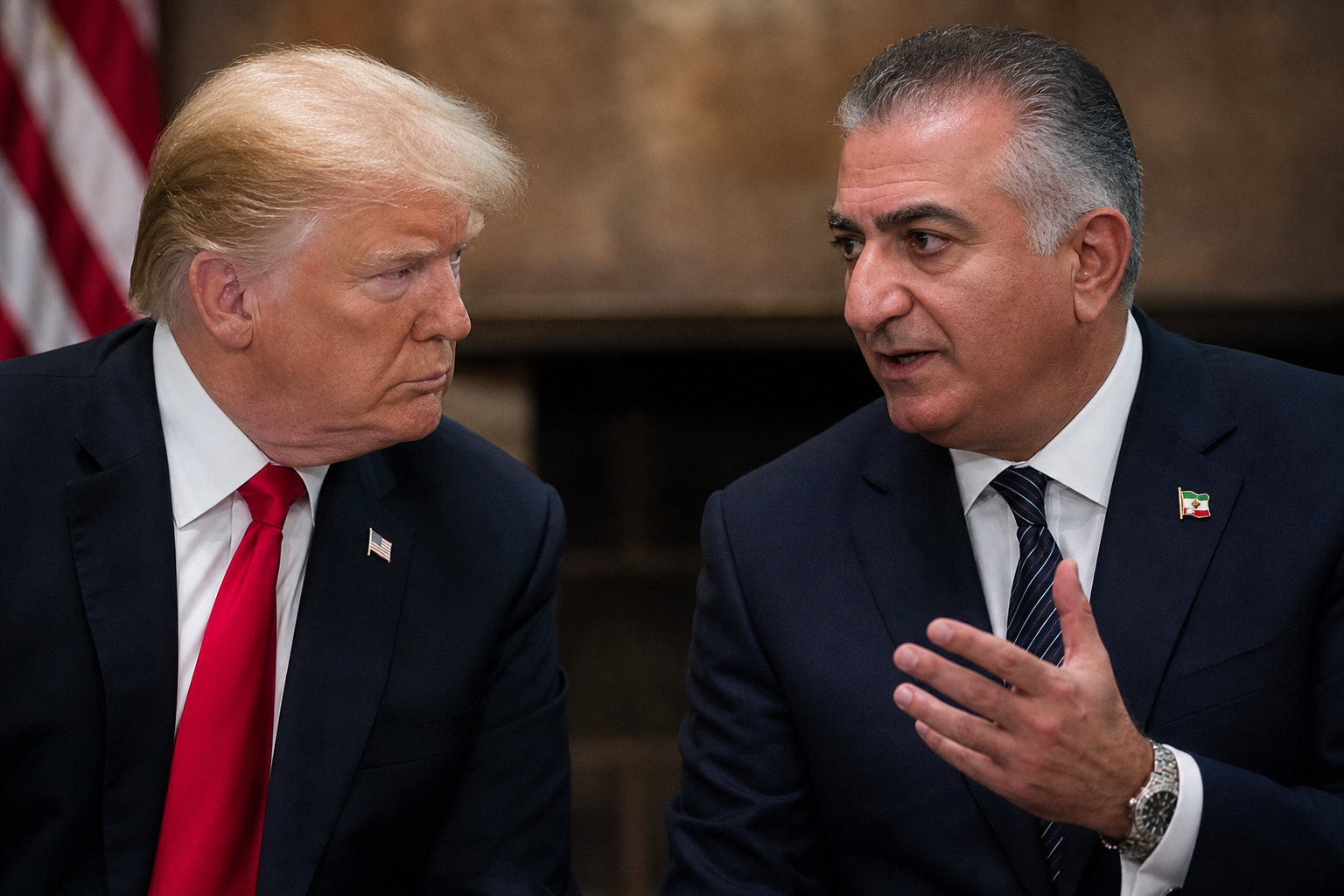
Reza Pahlavi stood at the POLITICO Security Summit in Washington and told American and Israeli officials they must keep striking Iranian targets until ordinary citizens rise up and remove the regime.
The exiled crown prince said President Donald Trump’s willingness to enter ceasefire talks had already sent the wrong message to Tehran. He argued that any pause in military operations would give the ruling clerics the breathing room they need to regroup and survive.
Pahlavi spoke on May 12, 2026, weeks after the war began following the February 28 assassination of Supreme Leader Ali Khamenei. US and Israeli forces launched airstrikes on military and nuclear sites in response to the killing, and those operations have continued with varying intensity.
"President Donald Trump should stop sending mixed messages about its intentions in the Iran war and instead finish the job of ousting Tehran’s Islamist regime," Pahlavi said. "This regime, in its entirety, must go. Do not throw this crumbling regime a lifeline."
His remarks come at a moment when the White House has signaled openness to negotiations. Pahlavi warned that any such talks would be interpreted in Tehran as American hesitation and would discourage Iranians who are already protesting food shortages and repression.
Pahlavi has spent decades in exile arguing that only external military pressure combined with internal discontent can bring down the Islamic Republic. He repeated that formula at the summit, saying the current campaign must not stop short of regime change.
Supporters inside Iran and in the diaspora have watched the airstrikes with a mixture of hope and fear. Some say the strikes have already weakened the Revolutionary Guards and created space for demonstrations in several cities. Others worry that a sudden ceasefire would leave them exposed to renewed crackdowns.
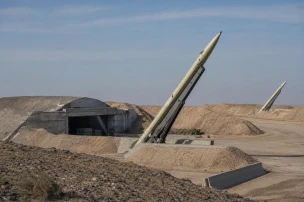
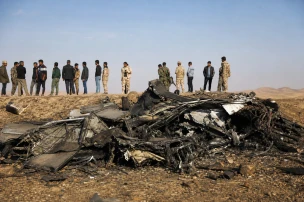
The 2026 conflict has destroyed key air-defense systems and damaged several nuclear facilities. Iranian officials have acknowledged heavy losses among senior commanders, yet they continue to claim the government remains in control. Independent reports suggest growing public anger over electricity blackouts and collapsed currency values.
Pahlavi described the current situation as the best opportunity in forty years to end the theocratic system. He urged Washington and Jerusalem to ignore calls for restraint and to keep targeting command centers and weapons depots.
Trump administration officials have not publicly responded to Pahlavi’s comments. Some Republican lawmakers have echoed his call for regime change, while others have cautioned that a prolonged war risks broader regional escalation involving Hezbollah and Iranian-backed militias in Iraq and Syria.
Israeli defense officials have maintained that their operations will continue until Iran no longer poses an immediate nuclear or missile threat. They have not ruled out deeper involvement in efforts to accelerate the regime’s collapse.
Pahlavi’s appearance at the summit drew attention because he has rarely criticized Trump by name. He framed his criticism as strategic rather than personal, saying the president’s earlier tough rhetoric had raised expectations that now risk being dashed by diplomatic maneuvering.
Observers note that previous rounds of sanctions and limited strikes failed to produce mass protests because the regime could still portray itself as under existential attack while maintaining internal cohesion. Pahlavi contends that the scale of the current campaign is different and that visible regime weakness is already visible on the streets.
He pointed to videos of crowds chanting against the government in Tehran and Mashhad as evidence that the population is ready to move if it believes the regime is truly on the brink. A premature ceasefire, he said, would crush that momentum.
The exiled prince also addressed concerns that removing the current leadership could lead to chaos. He argued that a transitional framework already exists among democratic opposition groups and that the Iranian people have shown they can organize locally once security forces lose their grip.
Whether the regime ultimately falls depends on factors beyond Pahlavi’s control, including the resilience of remaining loyalist units and the willingness of foreign powers to sustain operations. His message at the summit was clear: any pause now would be read in Tehran as victory and would delay the day when Iranians can choose a different future.
Diplomats from European countries have privately urged both Washington and Jerusalem to define clear end goals before the fighting expands further. Pahlavi countered that the only acceptable end goal is the complete removal of the Islamic Republic’s leadership structure.
As the summit concluded, participants left with sharply different views on how far the United States and Israel should go. Pahlavi’s intervention ensured that the question of regime change, rather than simply degrading military capabilities, remains at the center of the debate.