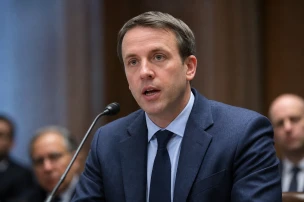

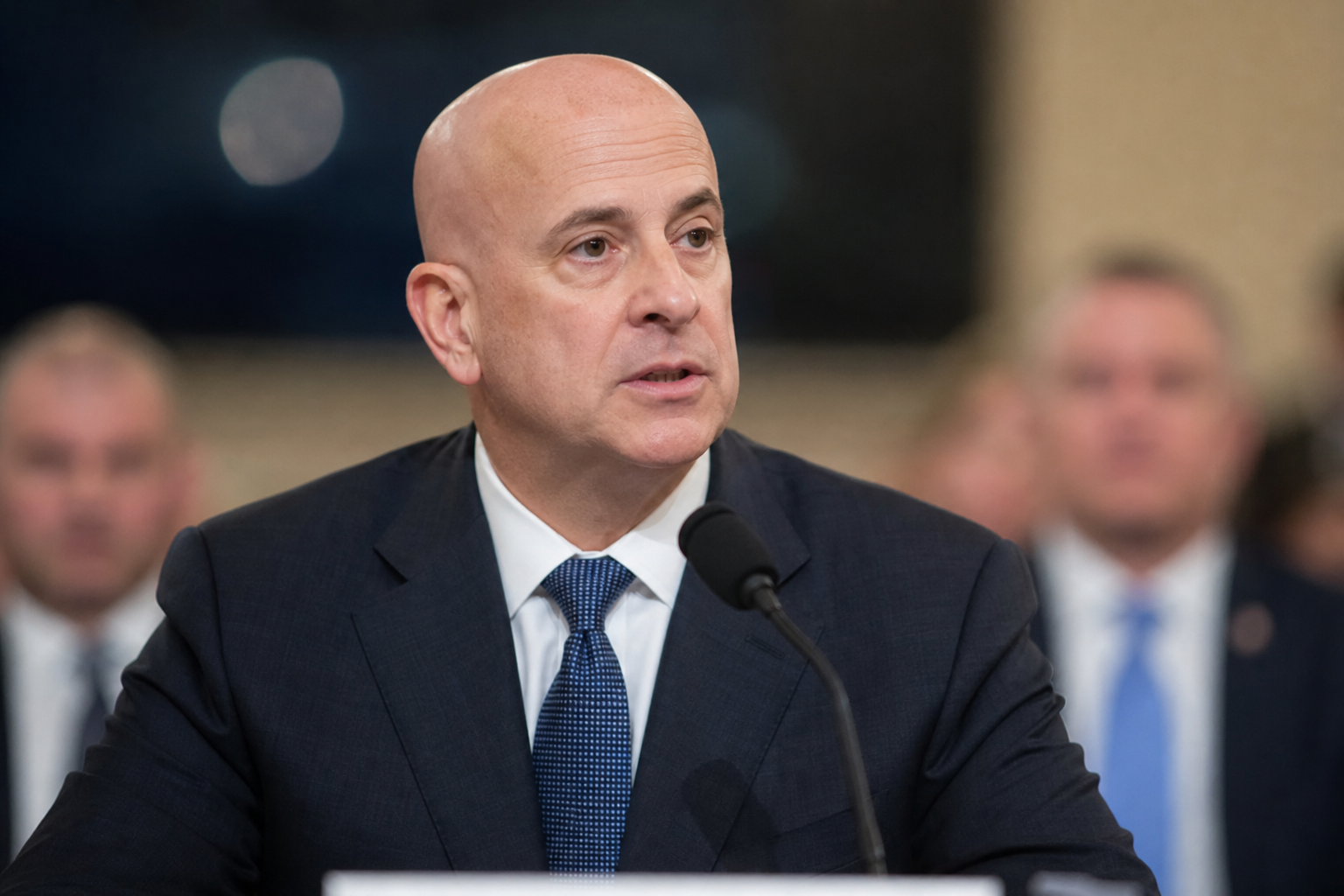
The Department of Homeland Security has selected David Venturella to serve as acting director of Immigration and Customs Enforcement beginning June 1.
The appointment fills a leadership vacuum at an agency central to the Trump administration's plans for large-scale deportations. Venturella replaces Todd Lyons, whose final day is May 31, 2026.
DHS made the announcement on May 12 from Washington. The move places a longtime ICE veteran and former GEO Group executive in charge during a period of rapid operational expansion.
Venturella first worked at ICE in senior roles before joining GEO Group, one of the largest private operators of immigration detention facilities. He returned to the agency in 2023 to manage detention contracts and vendor relationships.
His background gives him direct knowledge of both enforcement operations and the private infrastructure that houses thousands of detainees daily. Supporters argue this experience will help scale up capacity quickly.
ICE has operated without a Senate-confirmed director since Sarah Saldaña departed in 2017. Acting leadership has been the norm for nearly a decade, limiting long-term policy continuity.
The absence of permanent leadership has complicated budget negotiations and interagency coordination. Successive acting directors have focused on immediate enforcement priorities rather than structural reforms.
Under the current administration, ICE is preparing to increase detention beds and hire additional enforcement personnel. The agency aims to support deportation targets that exceed previous records.
Staffing surges include accelerated recruitment of deportation officers and support staff across field offices. Training pipelines have been expanded to meet projected demand.
These changes coincide with renewed emphasis on interior enforcement and cooperation with state and local partners. Federal officials expect higher encounter rates at worksites and in communities.
A Department of Homeland Security spokesperson stated that Dave Venturella will serve as acting ICE director following Todd Lyons’ departure. The statement emphasized continuity in ongoing operations.
Venturella assumes the role as ICE prepares to execute broader removal operations. His contract oversight experience is expected to influence how private facilities are utilized in the coming months.
Critics immediately highlighted potential conflicts. Silky Shah, executive director of the Detention Watch Network, described the selection as a classic example of the revolving door between government and private prison companies.
Shah noted that Venturella's prior employment at GEO Group raises questions about whether detention expansion decisions will favor corporate interests. Advocacy groups have long criticized the profit motives embedded in immigration enforcement.
GEO Group operates multiple facilities under ICE contracts and has seen revenue tied directly to bed occupancy rates. Any increase in detention numbers would benefit the company's financial performance.
Proponents counter that Venturella's private-sector stint equipped him with practical knowledge of facility management and cost control. They say this background is valuable given the scale of planned operations.
Immigration enforcement has relied on private contractors for decades. Facilities run by GEO and CoreCivic house a substantial share of ICE detainees at any given time.
The revolving door between agencies and contractors is common across federal law enforcement. Officials often move between public service and regulated industries throughout their careers.
Venturella's 2023 return to ICE focused on renegotiating and monitoring existing detention agreements. Those responsibilities gave him visibility into capacity constraints that now face the agency.
Expanded deportations require not only agents but also available detention space during removal proceedings. Shortfalls in either area can slow enforcement timelines.
Field offices are already reporting increased caseloads following recent policy directives. Additional resources are being allocated to support expedited removals and longer-term custody management.
Legal challenges from advocacy organizations are expected to intensify. Lawsuits have historically targeted both detention conditions and the use of private facilities.
Congressional oversight hearings will likely examine Venturella's prior employment ties. Democrats have signaled plans to scrutinize any contracts awarded during his tenure.
Republican lawmakers, meanwhile, have welcomed the choice. They view his record as evidence of practical expertise needed to deliver on campaign promises about border security and interior removals.
The acting director position carries full operational authority even without Senate confirmation. Venturella can direct enforcement priorities, allocate resources, and represent ICE in interagency discussions.
Previous acting directors navigated similar political pressures while managing day-to-day operations. Their tenures often featured spikes in arrests followed by capacity bottlenecks.
Current projections call for detention populations to grow substantially by the end of the fiscal year. Meeting those targets depends on both new hires and existing contractor performance.
Venturella will oversee the integration of new personnel into established enforcement teams. Coordination with Customs and Border Protection and the Department of Justice will remain essential.
Detention standards and medical care requirements have drawn repeated scrutiny from inspectors general and outside monitors. Maintaining compliance at higher volumes presents logistical challenges.
Community organizations are preparing for increased enforcement activity in major cities and agricultural regions. They anticipate more workplace raids and targeted operations.
ICE data shows that interior removals have already risen compared with prior years. The pace is expected to accelerate once additional staffing comes online.
Venturella's appointment signals the administration's intent to maintain momentum on immigration enforcement. His combination of public and private experience aligns with the operational demands ahead.
Observers will watch how quickly the agency can convert policy directives into measurable removal numbers. Success metrics will focus on both volume and speed of case processing.
The leadership transition occurs against a backdrop of heightened political attention to immigration. Public opinion remains divided on the scale and methods of enforcement.
Venturella takes office at a moment when ICE's role in national policy has rarely been more prominent. His decisions in the coming months will shape both operational outcomes and public debate.