
US intelligence assessments show Iran maintains operational access to 30 of its 33 missile sites along the Strait of Hormuz.
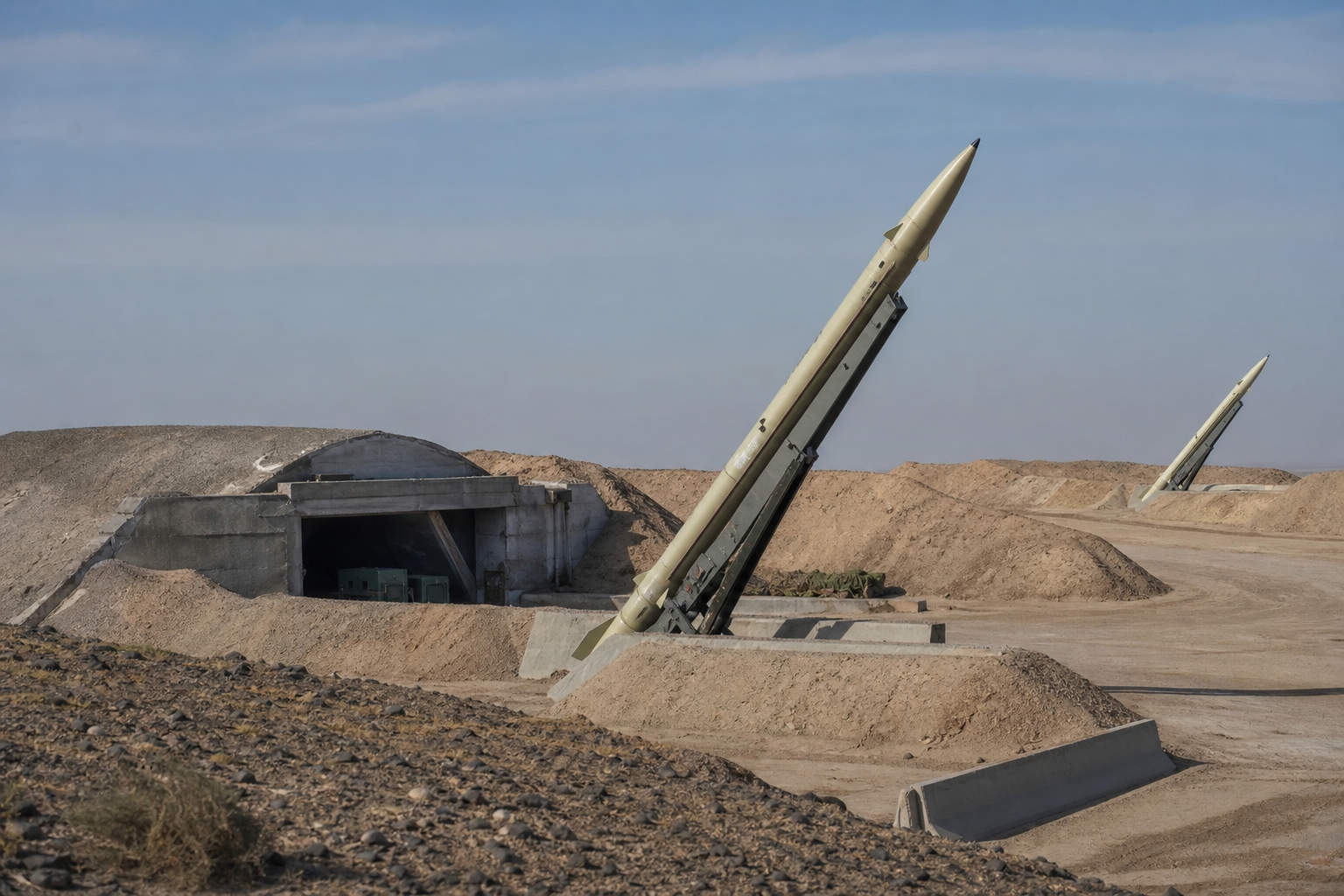
The New York Times published details of the classified report on May 12, 2026. Officials familiar with the assessments said Iranian forces regained full control over the facilities after earlier strikes. The sites house mobile launchers capable of striking targets across the region, including Israel.
Iran still possesses roughly 70 percent of its prewar missile stockpile and 70 percent of its mobile launchers, according to the same assessments. These figures stand in direct contrast to repeated statements from the Trump administration claiming Iran’s military had been shattered.
The Jerusalem Post and i24NEWS quickly picked up the findings on May 13, 2026, sparking intense discussion across Israeli and American media outlets. Analysts noted that the surviving sites sit in hardened positions near the narrow waterway through which roughly one-fifth of global oil trade passes.
Iranian Parliamentary Foreign Policy Committee spokesman Ebrahim Rezaei issued a direct warning the following day. “One of Iran’s options in the event of another attack could be 90% enrichment,” he stated. The comment referenced Iran’s existing stock of uranium enriched to 60 percent and signaled readiness to move closer to weapons-grade material if the United States or Israel launches fresh strikes.
Defense Intelligence Agency Director Lt. Gen. Scott Berrier confirmed to congressional staff that mobile launchers had been relocated to the remaining operational sites within days of the initial attacks. He emphasized that the platforms remain difficult to track once dispersed into mountainous terrain.
Former Israeli military intelligence chief Amos Yadlin told reporters in Tel Aviv that the findings require immediate reassessment of Israel’s target list. “If 30 sites are still viable, then any future operation must account for sustained Iranian retaliation capacity,” he said. Yadlin added that Israel’s own missile defense systems would face heavier barrages than previously modeled.
Republican Senator Lindsey Graham of South Carolina called the intelligence “deeply concerning” during a Senate Armed Services Committee hearing. He urged the administration to clarify whether additional strikes remain on the table. Graham stressed that allowing Iran to keep such a large launcher inventory risks emboldening further proxy attacks through Hezbollah and the Houthis.
State Department spokesperson Matthew Miller declined to comment on specific intelligence but reiterated that Washington continues to consult closely with Israel. “We are monitoring Iranian activities very closely and will take all necessary measures to protect our interests and those of our allies,” Miller said.
The Strait of Hormuz sites give Iran the ability to threaten commercial shipping lanes with both ballistic and cruise missiles. Military experts note that even a partial closure of the strait could drive oil prices sharply higher within days.
Israeli Defense Minister Israel Katz convened an emergency security cabinet meeting on May 13 to review the new assessments. Participants discussed options ranging from additional precision strikes to expanded naval patrols in the Gulf of Oman.
Regional analysts at the Washington Institute for Near East Policy warned that Iran’s retained capabilities could embolden hardliners in Tehran. Senior fellow Michael Eisenstadt observed that the surviving missile force still poses a credible deterrent against deeper US or Israeli involvement.
Trump administration officials have not publicly revised their earlier assessments of damage inflicted on Iranian forces. Sources close to the White House indicated that some damage reports may have been based on incomplete battle-damage assessments conducted immediately after the strikes.
Iranian officials have meanwhile accelerated diplomatic outreach to Russia and China, seeking additional air-defense components and missile technology. These efforts aim to replace systems lost in the recent exchanges.
The combination of restored missile sites and the enrichment threat has already influenced Israeli public opinion. Polls conducted after the New York Times report showed rising support for preemptive action among voters who previously favored restraint.
US Central Command continues to maintain heightened alert status for forces in the region. Additional naval assets have been positioned to monitor Iranian movements near the strait.
Israeli Air Force commanders are reportedly updating flight plans and electronic warfare packages to account for the surviving launch sites. The adjustments include new routes designed to minimize exposure to Iranian missile batteries.
Both Washington and Jerusalem now face difficult choices about whether to conduct follow-on operations or accept a more limited degradation of Iran’s capabilities. The intelligence assessments make clear that Iran’s missile threat has not been eliminated.