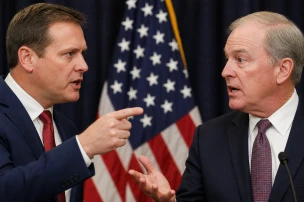

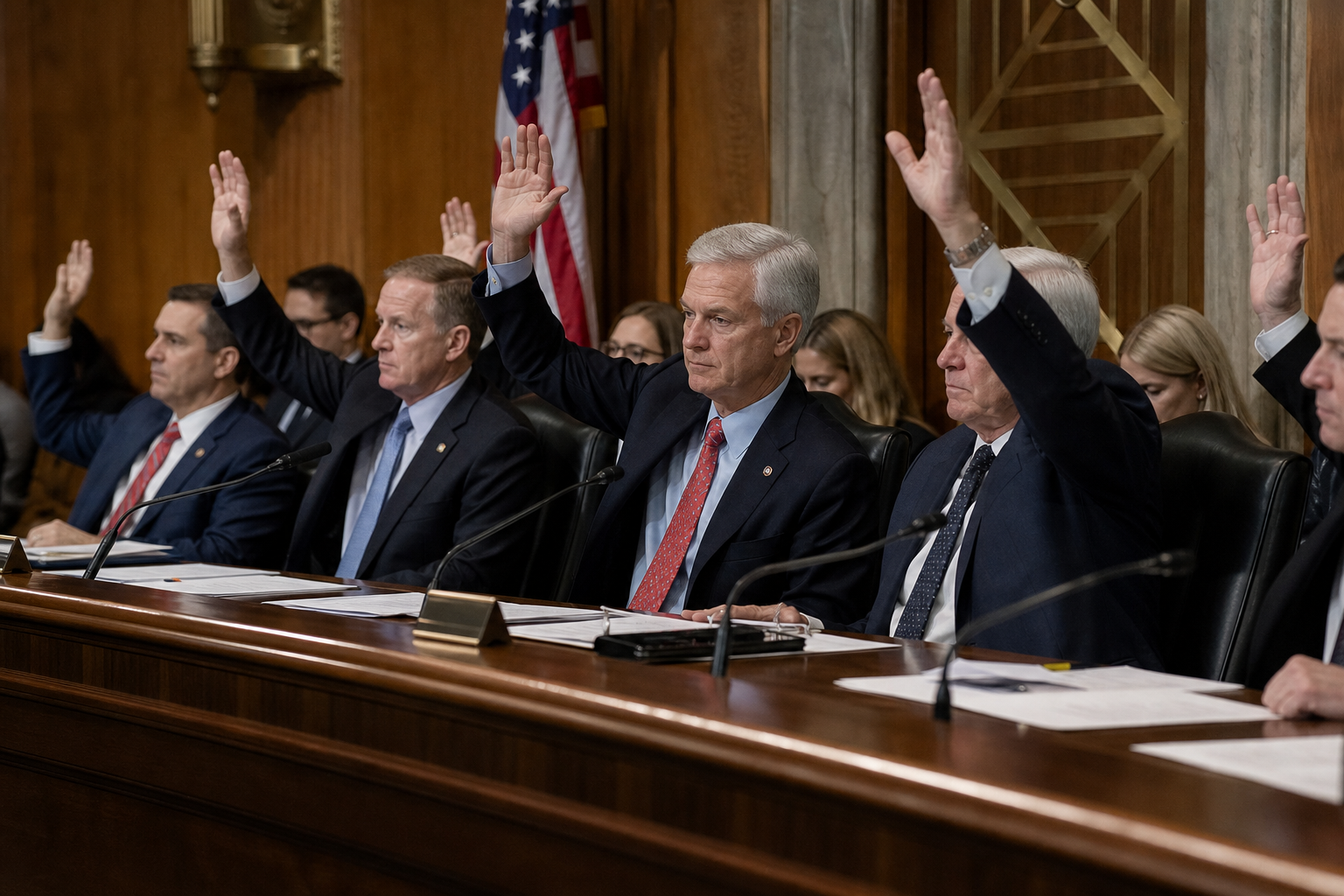
The Digital Asset Market Clarity Act has secured every Republican vote needed in the Senate Banking Committee to move forward.
Committee staff confirmed Tuesday that all 13 Republican members have pledged support, meeting the threshold required under the panel’s 13-11 partisan split. The development clears the final procedural hurdle before Thursday’s scheduled markup at 10:30 a.m. Eastern Time in the Dirksen Senate Office Building.
The bill, formally known as H.R. 3633, passed the House of Representatives on July 17, 2025, by a 294-134 bipartisan margin. Its arrival in the Senate marks the first time comprehensive crypto market structure legislation has reached this stage with unified support from the majority party.
Under the measure, the Commodity Futures Trading Commission would gain primary authority over spot markets for digital commodities such as Bitcoin and Ether, while the Securities and Exchange Commission would retain jurisdiction over tokens classified as investment contracts. The legislation also establishes registration requirements for trading platforms, custody standards for digital asset firms, and consumer protection provisions aimed at preventing fraud and market manipulation.
Finance and policy communities reacted swiftly on social media platforms. Bitcoin and crypto market news reporter Vivek Sen posted: “BREAKING: CRYPTO MARKET STRUCTURE BILL JUST SECURED ALL THE VOTES NEEDED TO PASS THE BILL NO ONE CAN STOP IT NOW IT’S FINALLY HAPPENING 🚀” The message quickly drew thousands of engagements from traders, lawyers, and former regulators who have followed the bill’s progress for months.
CoinDesk reported that committee staff released an updated version of the bill text on May 12, incorporating technical changes requested by both Republican and Democratic offices. Bitcoin Magazine confirmed the May 14 markup date and noted that leadership had privately secured commitments from every Republican member to ensure the measure advances without amendment delays.
ABA Banking Journal highlighted that the new text clarifies the treatment of decentralized finance protocols and stablecoin issuers, two areas that had generated significant debate during House negotiations last year.
Industry participants have long argued that regulatory uncertainty has driven innovation and capital offshore. With the Clarity Act now positioned to advance, several major trading platforms have signaled plans to expand U.S. operations once the bill becomes law. Market analysts tracking order flow noted increased volume in Bitcoin futures and options contracts following the vote confirmation, though prices remained within recent trading ranges.
The legislation’s core provisions address long-standing gaps in existing statutes. Platforms that custody customer assets would face segregation requirements and regular audits. Token issuers could seek safe-harbor status by filing disclosures with the CFTC rather than navigating separate SEC enforcement actions. The bill also creates a framework for self-custody rights, preventing future rules from banning individuals from holding private keys.
Democratic members of the committee have not announced unified opposition. Several have indicated willingness to support the measure if additional consumer safeguards are added during markup. Observers expect amendments addressing stablecoin reserve transparency and anti-money laundering standards to surface on Thursday, though none are expected to derail the overall timeline.
Passage through the full Senate would still require 60 votes to overcome a filibuster. Supporters are counting on the same bipartisan coalition that delivered the House margin to produce enough Democratic backing in the upper chamber. Senate Majority Leader Chuck Schumer has not yet committed floor time, but aides familiar with the calendar said leadership is monitoring the markup closely before deciding whether to bring the bill to the floor before the August recess.
Outside Congress, the American Bankers Association and several state banking regulators have expressed cautious support. They view the bill as a way to bring digital asset activities inside the existing supervisory perimeter rather than leaving them in a gray zone. Consumer groups remain divided, with some praising the added protections while others worry the legislation tilts too far toward industry interests.
Should the markup succeed, the bill would head to the Senate floor potentially within weeks. If approved there, negotiators would reconcile any differences with the House version before sending a final package to the president. The White House has previously signaled support for modernizing digital asset rules, increasing the likelihood of enactment before the end of the current Congress.
Market participants are already modeling scenarios. A 73 percent probability now appears priced into certain prediction markets that the Clarity Act will become law by year-end. Trading desks report rising open interest in options tied to regulatory approval events, reflecting the sector’s sensitivity to legislative outcomes.
Advocates argue the bill represents the most significant update to financial market rules since the Dodd-Frank Act. Critics counter that it still leaves critical questions about decentralized autonomous organizations and cross-border data flows unresolved. Both sides agree that Thursday’s markup will determine whether years of stalled efforts finally produce concrete statutory language.
Committee staff continue to field technical questions from senators’ offices. Final vote tallies will be released after the session concludes, but the pre-markup commitments suggest the measure will clear the panel on a party-line basis. From there, attention shifts to the Senate floor and the broader political calendar.