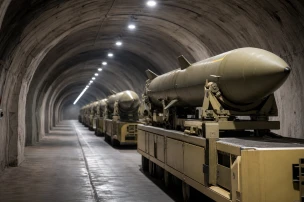

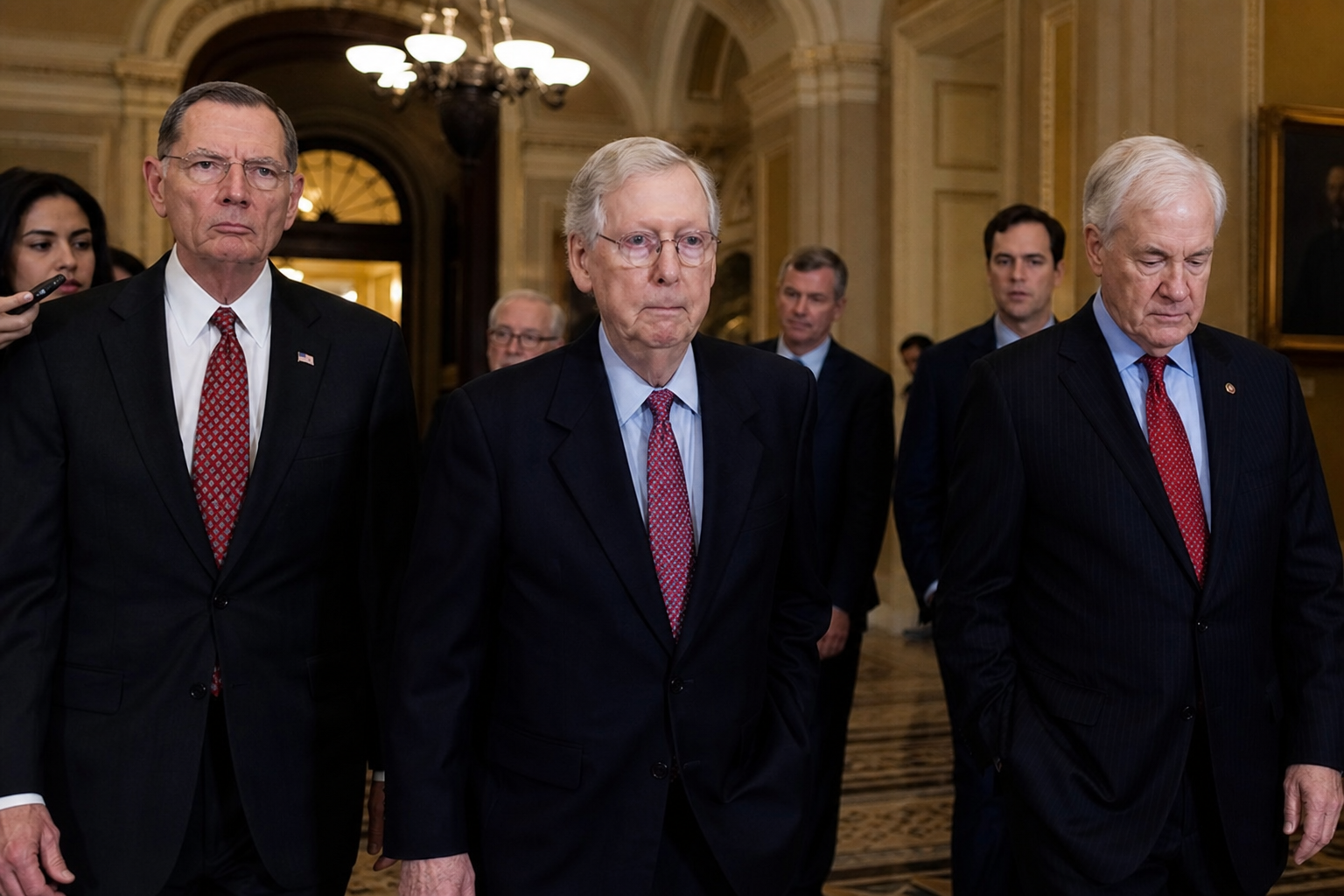
The US Senate fell one vote short Wednesday of curbing President Trump's authority to continue military operations against Iran, as three Republican senators crossed party lines in a 49-50 rejection that laid bare widening cracks inside the GOP over the ongoing conflict.
The measure, introduced by Senator Jeff Merkley of Oregon, sought to force an end to American involvement under the 1973 War Powers Resolution. It marked the seventh such attempt since fighting erupted in February 2026. The narrow margin came after Senators Lisa Murkowski of Alaska, Susan Collins of Maine, and Rand Paul of Kentucky voted in favor, while Democratic Senator John Fetterman of Pennsylvania opposed the resolution.
Murkowski said the administration's stance left no reason to keep troops exposed without explicit congressional approval. Her decision to back the measure represented a clear break from standard Republican alignment on Middle East policy questions involving Iran and Israel.
The administration’s own position removes any justification for keeping our servicemembers in harm’s way without congressional authorization.
Collins and Paul offered similar reasoning rooted in constitutional concerns and constituent pressure. Paul has long questioned expansive executive war powers, while Collins emphasized the human and financial costs accumulated since the conflict began four months earlier. Their votes joined 46 Democrats and one independent to reach 49 in support.
The resolution's defeat leaves US forces engaged in operations that began after Iranian-backed actions threatened both American interests and Israeli security. Lawmakers described the campaign as costly and open-ended, with no clear end date or victory conditions outlined by the White House.
Senator Tim Kaine of Virginia noted that the tally reflected growing unease among voters back home. He pointed to repeated outreach from constituents demanding congressional oversight before further escalation.
Today, our War Powers Resolution got 49 votes. My colleagues are hearing more and more from their constituents: end this costly and unnecessary war.
Democratic leaders highlighted the symbolic weight of the three Republican defections. They argued the result showed even members of the president's party recognized the limits of unilateral executive action in a conflict that directly intersects with Israeli defense needs. Senate Minority Leader Chuck Schumer called the administration's approach unsustainable and warned that continued involvement without fresh authorization risked broader regional instability.
The 49-50 outcome followed six prior rejections of similar language since February. Each vote revealed incremental shifts in sentiment, particularly among senators representing states with significant military communities or strong pro-Israel constituencies. Observers noted that the latest tally came closest yet to passage, suggesting the political ground may be moving beneath the administration.
Inside the chamber, the roll call stretched nearly an hour as members weighed competing pressures. Supporters of the resolution stressed that the War Powers law exists precisely for moments like this, when presidential initiative outpaces legislative consent. Opponents countered that abrupt withdrawal could embolden Iranian leadership and weaken Israel's position against shared threats.
Fetterman's decision to vote no stood out among Democrats. The Pennsylvania senator has previously taken hawkish positions on Iran policy, arguing that American leverage remains necessary to prevent Tehran from advancing its nuclear program or supporting proxy attacks on Israel. His stance underscored that opposition to the resolution was not strictly partisan.
Israeli officials have watched the Senate proceedings closely, viewing sustained US engagement as a critical deterrent against Iranian aggression. Any signal of wavering congressional backing could influence calculations in Jerusalem about future joint operations or defensive coordination. The vote's aftermath leaves uncertainty about whether additional Republican senators might reconsider their positions in subsequent rounds.
Republican leadership downplayed the defections as isolated. They maintained that the administration retains sufficient authority under existing statutes and that the 50-vote bloc demonstrated continued majority support for confronting Iran. Still, the public split among three veteran senators carried weight beyond the arithmetic.
Murkowski's support proved especially notable given her record of occasional independence on foreign policy. Collins, a frequent swing vote on defense matters, cited both constitutional principles and the absence of a defined mission. Paul's libertarian skepticism of prolonged overseas commitments aligned with his consistent record against similar authorizations in past conflicts.
The broader debate touched on American public opinion trends. Polling since February has shown eroding support for open-ended involvement, particularly as casualty figures and budgetary demands mount. Senators reported town halls dominated by questions about exit strategies and the link between US actions and Israeli security requirements.
With the measure defeated, attention now turns to whether Merkley or other sponsors will introduce revised language or pursue alternative legislative vehicles. The administration has given no indication it plans to scale back operations, leaving the underlying policy tensions unresolved.
The episode illustrates how the Iran conflict has begun to test traditional party alignments on national security. While most Republicans stayed unified, the three defections suggest that sustained engagement without clear congressional buy-in may grow harder to maintain. Democrats, meanwhile, see an opening to press the issue in future votes as the conflict enters its fifth month.
Washington observers described the 49-50 margin as a warning sign rather than a final verdict. The same coalition could reassemble quickly if battlefield developments or new intelligence alter the political calculation. For now, the Senate's failure to act keeps US forces committed and leaves the question of war powers authority hanging over the remainder of the Trump administration's term.
Further attempts are expected before the August recess. Each successive vote will test whether the three Republicans who broke ranks represent the start of a larger shift or a limited exception. Either outcome carries direct consequences for how the United States balances its commitments to Israel against domestic political constraints on military action in the Middle East.