
Iraq Exports 10 Million Barrels via Strait of Hormuz in April
Iraq announced exports of 10 million barrels of oil through the Strait of Hormuz in April, a steep drop from 93 million barrels monthly before the conflict closed the vital waterway.

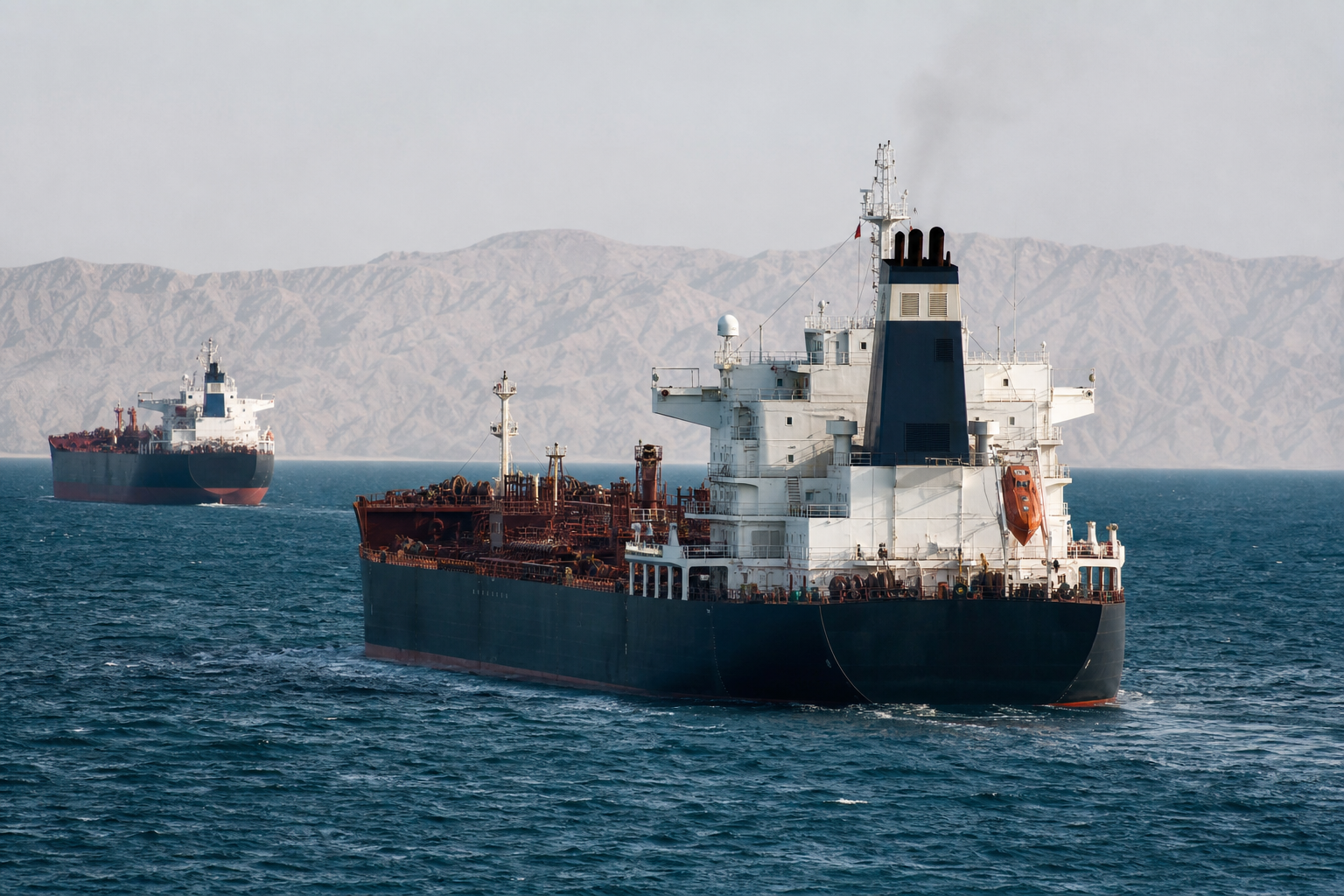
Iraq's oil exports through the critical Strait of Hormuz have taken a severe hit, with only 10 million barrels shipped in April amid the ongoing regional turmoil. On May 16, Iraq's Oil Minister Basim Mohammed revealed the figures during a press conference in Baghdad. The announcement immediately triggered widespread discussion across Arabic media outlets including Al Jazeera about the broader consequences for global energy supplies.
"We used to export through the Strait of Hormuz at a rate of 93 million barrels per month. In the fourth month, we only managed to export about 10 million barrels," Basim Mohammed stated. Those numbers mark a collapse to roughly one-ninth of Iraq's pre-conflict volume through the same passage. The minister attributed the plunge directly to the continued closure of the strait stemming from the US-Israeli conflict with Iran.
Reuters reported the minister's remarks in full, confirming the exact April total and the comparison to earlier monthly averages. Al Arabiya English carried similar coverage the same day, underscoring how Iraq's oil revenue has been squeezed by the inability to move larger volumes. CGTN broadcast the statement live, drawing immediate viewer questions about how long the restrictions might last.
The Strait of Hormuz remains the world's most important oil transit corridor. Roughly one-fifth of global seaborne crude normally passes between Iran and Oman each day. Iraq has long depended on this route to reach buyers in Asia and Europe. When the strait closed amid rising hostilities, Baghdad lost its primary export artery almost overnight. Only limited shipments totaling 10 million barrels cleared the passage in April, likely through narrow windows or escorted convoys.
Before the conflict intensified, Iraq routinely moved close to 93 million barrels monthly via the strait. That volume supported government salaries, reconstruction projects, and social programs across the country. The sudden reduction has forced Baghdad to draw down reserves and seek emergency financing from neighboring states. Oil revenue accounts for more than 90 percent of Iraq's public budget, leaving little room for such abrupt shortfalls.
Al Jazeera's Arabic and English platforms hosted extended panels examining the energy security fallout. Analysts noted that reduced Iraqi supply adds upward pressure on benchmark crude prices at a time when many economies are already struggling with inflation. Viewers in oil-importing nations expressed concern that gasoline and heating costs could climb further if the strait stays closed for additional months.
The United States maintains strategic interests in stable Middle East energy flows. Disruptions that lift global prices risk domestic inflation and complicate efforts to control costs at American pumps. Washington has urged diplomatic channels to restore safe passage while simultaneously reinforcing naval presence to protect remaining traffic. Israeli officials have framed the strait closure as part of a wider confrontation with Iran, arguing that any reopening must include guarantees against future blockades.
Iraq is now accelerating work on alternative export routes. Plans include expanding the pipeline to Turkey's Ceyhan terminal and increasing capacity at ports that do not require transit through Hormuz. Both projects require years and billions of dollars. In the interim, the country must accept sharply lower revenues and possible production cuts to avoid storage overflows.
Global markets reacted quickly to the May 16 announcement. Brent crude futures rose several dollars per barrel in early trading as traders priced in the tighter supply picture. Refiners in South and East Asia, which purchase much of Iraq's Basra crude, began seeking cargoes from Saudi Arabia, the United Arab Emirates, and even distant suppliers such as Brazil and the United States.
Regional stability concerns extend beyond energy prices. Prolonged closure risks widening the humanitarian impact inside Iraq, where public services rely on oil income. Protests over unpaid wages or reduced electricity have already occurred in several provinces. Neighboring countries worry that internal Iraqi unrest could spill across borders or empower non-state actors.
CGTN correspondents in Baghdad reported that the Oil Ministry is prioritizing domestic fuel needs first, then allocating whatever remains for export. This approach further limits foreign sales. Basim Mohammed indicated that May volumes are unlikely to improve significantly unless the strait reopens under new security arrangements.
Historical precedents show that threats to close the Strait of Hormuz have repeatedly rattled markets. Past episodes in 2011-2012 and 2019 demonstrated how quickly prices can spike when even partial restrictions occur. The current full closure represents the most severe interruption in decades, magnifying every previous warning about over-reliance on a single chokepoint.
Energy security analysts emphasize diversification as the long-term solution. Iraq's leadership has discussed greater use of floating storage and ship-to-ship transfers outside the strait, yet these tactics carry higher costs and insurance premiums. European buyers have accelerated purchases of American liquefied natural gas to offset potential diesel and fuel oil shortages.
Israeli strategic thinking centers on preventing Iran from using energy leverage as a bargaining chip. Officials in Jerusalem have publicly linked any future strait reopening to verifiable limits on Iranian nuclear and missile programs. US diplomats have echoed the need for durable guarantees, though they continue to favor negotiated outcomes over indefinite military enforcement.
Al Jazeera's social media channels saw millions of engagements within hours of the minister's remarks. Arabic-speaking audiences debated whether Iraq should align more closely with Gulf states that control alternative pipelines. Others argued that Baghdad must maintain neutrality to avoid becoming collateral damage in larger power struggles.
The 10 million barrel figure for April translates to roughly 333,000 barrels per day. Iraq's normal sustainable export rate exceeds 3 million barrels per day. Even partial recovery would require either reopening the strait or completing expensive bypass infrastructure. Neither option appears imminent.
Reuters sources inside the Iraqi Oil Ministry confirmed that several tankers remain anchored near Basra awaiting clearance. Crew changes and maintenance have become complicated by the uncertain schedule. Insurance costs for any vessel entering the northern Gulf have risen sharply, further eroding profit margins on the limited shipments that do move.
For American consumers, the immediate effect may appear modest because the United States produces most of its own oil. Yet global price linkages mean that higher Brent values still influence domestic gasoline prices. The White House has monitored inventory levels and signaled readiness to release strategic reserves if shortages threaten to worsen.
Israeli energy officials have stressed that the conflict with Iran is not solely about oil but about preventing a nuclear threshold state from dominating the region. They note that any Iranian control over Hormuz traffic would give Tehran leverage over world economies for years. This perspective shapes Israel's insistence on strong security conditions before any reopening.
Iraq's government has appealed to the United Nations and OPEC for assistance in managing the revenue shortfall. Emergency loans from the International Monetary Fund or Gulf sovereign wealth funds are under discussion. Such measures would add to Iraq's existing debt burden and constrain future spending choices.
The coming months will test whether diplomatic efforts can restore safe navigation or whether alternative routes can scale quickly enough to compensate. Until then, the 10 million barrel April total stands as a stark marker of how quickly regional conflict can choke one of the planet's most vital energy arteries.
Was this article helpful?
About the author
David Ellis
David Ellis brings a sharp analytical perspective to his reporting on international politics and economic developments. He focuses on uncovering the underlying factors that shape global markets and governance structures. Additionally, his coverage extends to emerging technologies, where he explores their implications for society and security.
You might also be interested

Nebraska Dem Senate Winner to Step Aside for Independent
Trump's Revenge Tour Claims Its Biggest Victim Yet

Protests Erupt Across Israel Against Netanyahu Government
Trump Administration Commits $2B to End Offshore Wind Projects
Trump Shares ‘Calm Before the Storm’ Image on Iran
Taiwan Stresses Strategic Need for U.S. Arms Support

Waymakers Collective Launches Appalachian Artist Grant Program
Israel Eliminates Hamas Top Commander in Gaza Strike
Israel Ran Covert Outposts in Iraq to Back Iran Operations
Netanyahu Revealed Secret UAE Visit to Upstage Bennett
Comments 0
 Your profileAnonymous