
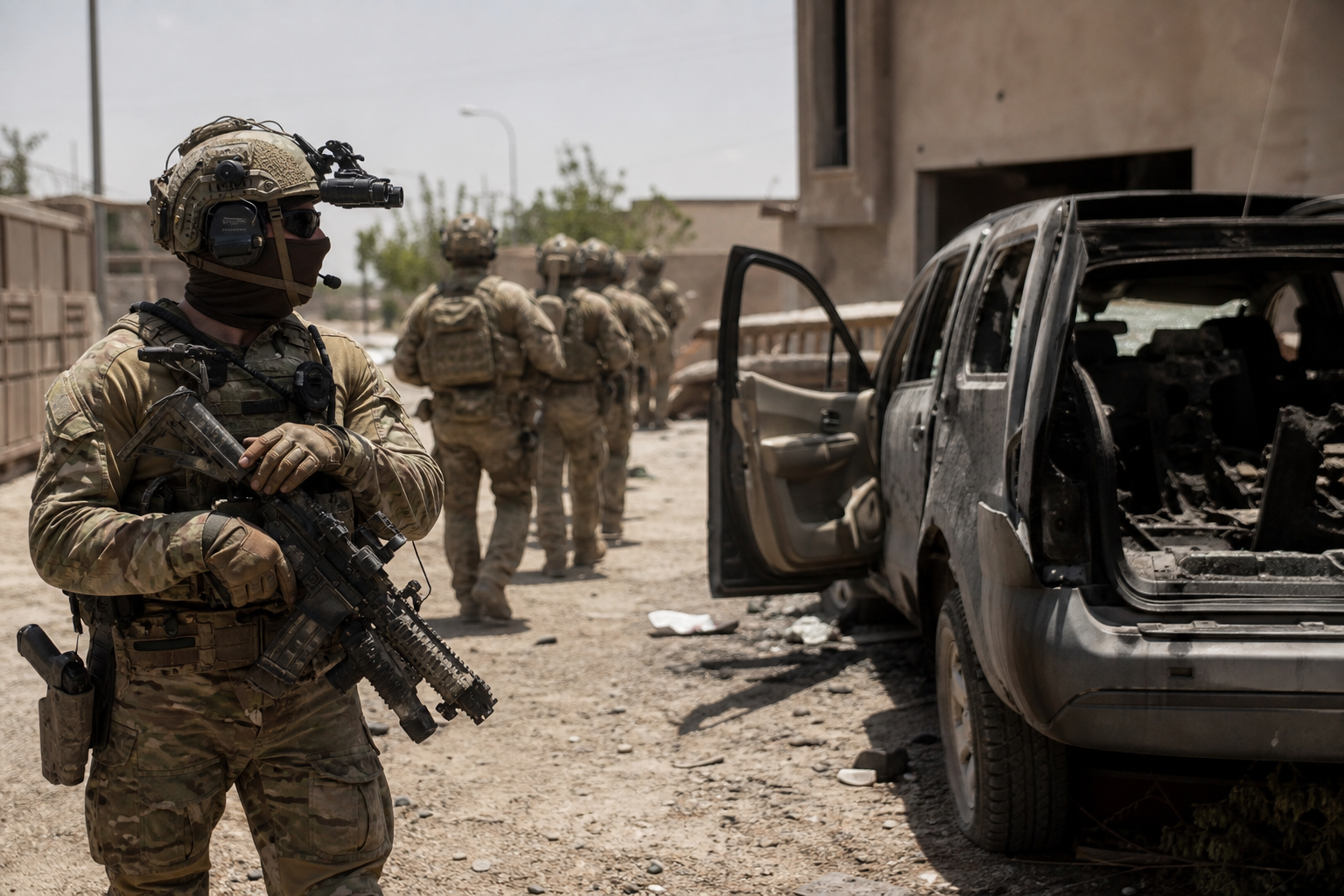
US and Nigerian forces have killed the second-in-command of ISIS in a precision joint raid in northeast Nigeria.
President Donald Trump revealed the outcome late Friday through a post on Truth Social, praising the operation as meticulously planned and very complex.
The mission targeted Abu-Bilal al-Minuki, also known as Abu-Mainok, who served as the global second-in-command for the Islamic State and directed much of its activity across the Sahel region.
Tonight, at my direction, brave American forces and the Armed Forces of Nigeria flawlessly executed a meticulously planned and very complex mission to eliminate the most active terrorist in the world from the battlefield.
Trump described al-Minuki as the most active terrorist in the world at the time of the strike, underscoring the significance of removing him from the battlefield.
Reports from CNN and Reuters confirmed that the raid took place on May 16, 2026, in a remote area of northeast Nigeria where ISIS maintains operational cells linked to its West Africa province.
The New York Times detailed how US and Nigerian troops conducted a helicopter-borne assault that allowed forces to reach the target compound before dawn.
Nigerian President Bola Ahmed Tinubu called the action a daring joint operation that dealt a heavy blow to ISIS activities throughout the Sahel and West Africa.
A significant example of effective collaboration in the fight against terrorism.
Tinubu emphasized that the partnership demonstrated how coordinated efforts can disrupt terrorist networks that have long exploited porous borders in the region.
Al-Minuki had risen through ISIS ranks by orchestrating attacks on military outposts and civilian targets in Nigeria, Niger, and Cameroon over the past three years.
Intelligence agencies tracked his movements for months through shared surveillance and human sources before the final operation was approved.
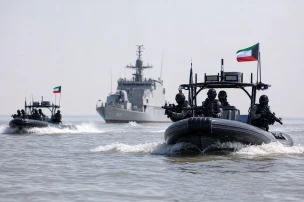
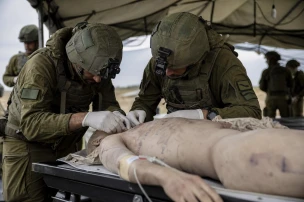
American special operations personnel provided technical support and aerial assets while Nigerian ground forces led the direct engagement at the target site.
Local residents reported hearing intense gunfire and helicopter activity before sunrise on May 16, though officials withheld operational details until the presidential announcement.
The elimination comes amid heightened concerns over ISIS expansion in West Africa, where the group has absorbed fighters from defeated factions and established training camps in remote areas.
US Africa Command has maintained a small advisory presence in Nigeria for years, focusing on intelligence sharing and capacity building for local partners.
Security analysts observe that removing a figure of al-Minuki's stature could force ISIS to reorganize its command structure and delay planned operations across multiple countries.
Discussions exploded on X shortly after Trump's post, with users in the American news community sharing maps of the operation area and debating the long-term effects on Sahel security.
Many commentators highlighted the rare public coordination between Washington and Abuja on counterterrorism, a topic that has sometimes been overshadowed by other regional priorities.
Retired US Army General Michael Reynolds, who previously advised Nigerian units, stated that such joint actions rely on precise intelligence and rapid execution to minimize civilian casualties.
Reynolds added that al-Minuki's death disrupts financing networks that ISIS used to purchase weapons and recruit across the Lake Chad basin.
Nigerian Army spokesperson Colonel Ibrahim Musa confirmed that the operation was planned over several weeks with input from American intelligence analysts.
Musa noted that troops recovered documents and electronic devices from the site that are now being examined for further leads on ISIS cells.
The raid marks the latest in a series of high-profile strikes against ISIS leaders, though officials caution that the group retains significant fighters in the region.
State Department officials said the United States will continue providing equipment and training to Nigerian forces as part of broader efforts to stabilize the Sahel.
Regional observers indicate that successful operations like this one often require sustained follow-up to prevent splinter groups from filling leadership vacuums.
University of Abuja security researcher Dr. Amina Okoro explained that al-Minuki played a key role in coordinating cross-border movements of fighters and supplies.
Okoro warned that ISIS propaganda channels may attempt to portray the death as a minor setback while promoting new figures to replace him.
European governments with interests in the Sahel, including France and Germany, issued statements welcoming the news and reiterating support for multinational counterterrorism initiatives.
United Nations counterterrorism officials noted that the removal of senior commanders has historically slowed attack planning cycles within ISIS affiliates.
Local leaders in Borno state, where the raid occurred, expressed cautious relief but called for increased protection for communities near former ISIS strongholds.
Humanitarian organizations operating in northeast Nigeria reported no immediate displacement from the operation but stressed the need for continued aid deliveries.
The Trump administration has prioritized direct action against terrorist leaders as part of its national security strategy, often highlighting results in public statements.
Trump's announcement framed the mission as evidence of effective cooperation with African partners rather than unilateral American involvement.
Defense Department briefings indicated that the operation used real-time satellite imagery and drone surveillance to track al-Minuki's movements in the days leading up to the raid.
Nigerian officials have increased patrols along known smuggling routes following the strike to prevent remaining ISIS members from regrouping.
Security analysts continue to monitor ISIS social media accounts for any official acknowledgment of al-Minuki's death or announcements of succession.
The event has renewed conversations in Washington about the level of resources devoted to African counterterrorism compared with other global theaters.
Congressional committees are expected to request detailed after-action reports on the intelligence process and rules of engagement used during the mission.
Journalists covering the Sahel noted that joint operations of this scale have become more frequent as both countries seek to demonstrate progress against shared threats.
Public reaction in the United States has included praise for the precision of the strike and questions about the broader strategy for containing ISIS expansion in Africa.
Nigerian citizens interviewed in Abuja expressed hope that the death of such a high-ranking figure will reduce the frequency of attacks on rural villages.
Further updates are anticipated as forensic teams complete their examination of materials recovered during the raid.
Officials from both nations have declined to release additional operational details while investigations remain active.