
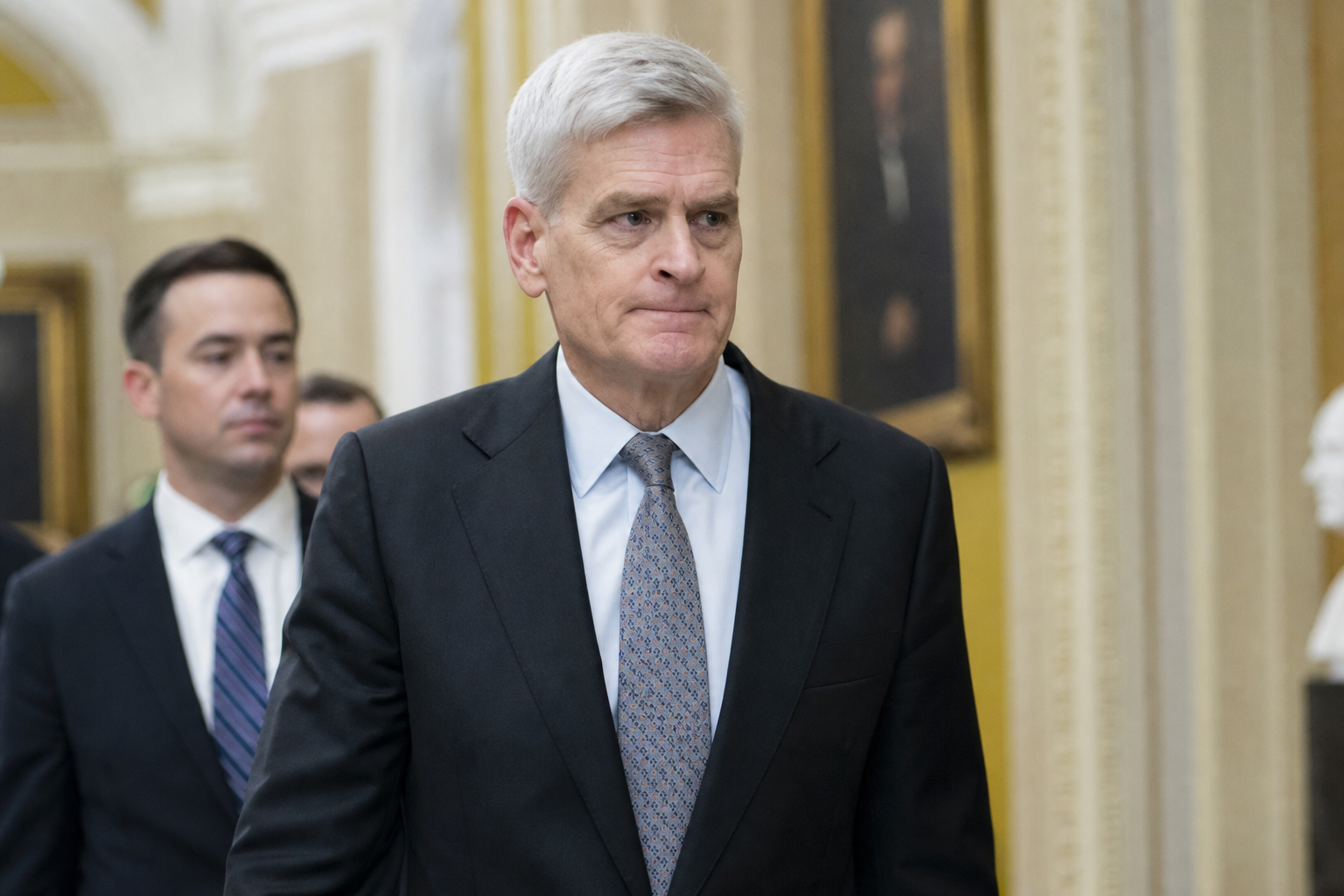
The political career of Louisiana Senator Bill Cassidy ended on May 16, 2026, when he placed third in the Republican primary and failed to advance to the June 27 runoff.
That result completed a near-total purge of the seven Republican senators who broke ranks to convict Donald Trump during his February 2021 impeachment trial over the January 6 Capitol riot.
Only Sens. Susan Collins of Maine and Lisa Murkowski of Alaska now remain from that original group of seven.
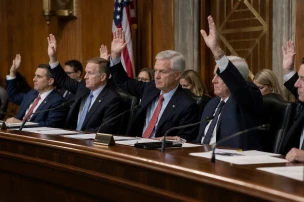
The 2021 Senate trial produced a 57-43 vote to convict Trump on the single article of incitement of insurrection, falling ten votes short of the two-thirds majority required for removal from office.
The seven Republicans who joined every Democrat were Richard Burr of North Carolina, Bill Cassidy of Louisiana, Susan Collins of Maine, Lisa Murkowski of Alaska, Mitt Romney of Utah, Ben Sasse of Nebraska, and Pat Toomey of Pennsylvania.
Five of those seven have already left the Senate through retirement, resignation, or electoral defeat.
Richard Burr announced his retirement ahead of the 2022 cycle after serving two terms and chose not to seek another six-year term.
Pat Toomey similarly declined to run again in Pennsylvania in 2022, citing a desire to return to private life after two terms.
Ben Sasse resigned his Nebraska seat in 2023 to become president of the University of Florida, cutting short his second term.
Mitt Romney announced in 2023 that he would not seek reelection in 2024 and retired at the end of his term, having previously voted to convict Trump in both the 2020 and 2021 trials.
Bill Cassidy’s May 2026 primary loss now removes the fifth member of the group.
Former President Donald Trump celebrated the outcome in a statement released through his campaign.
Cassidy’s 'disloyalty to the man who got him elected is now a part of legend, and it’s nice to see that his political career is OVER!' — Donald Trump, former President.
Trump’s words underscored the lasting resentment many of his supporters hold toward any Republican who supported either of his impeachments.
Louisiana voters appeared to share that sentiment in the primary, where state Treasurer John Fleming and another challenger advanced instead of Cassidy.
Local voter Donny Gutierrez explained his decision to back a different candidate.
It shows that he’s less influenced by a party, which I like. — Donny Gutierrez, local voter.
Gutierrez spoke outside a polling station in Baton Rouge on primary day.
The Louisiana contest highlighted how the 2021 impeachment vote continues to serve as a litmus test inside the Republican Party six years later.
Cassidy had won his 2020 general election with strong Trump backing, yet his decision to support conviction after the Capitol riot made him a target for pro-Trump groups in subsequent cycles.
Primary challengers repeatedly cited the impeachment vote in campaign materials and advertisements.
By 2026 those attacks had accumulated enough support to push Cassidy out of contention.
The remaining two senators face their own political pressures in states that reward independence.
Susan Collins has won reelection in Maine four times by emphasizing her willingness to work across party lines on issues such as health care and judicial confirmations.
Lisa Murkowski has survived similar challenges in Alaska through a combination of write-in campaigns and appeals to moderate and independent voters.
Both women have stated they will continue to vote according to their own judgment rather than strict party loyalty.
Their continued presence in the Senate represents the last institutional memory of Republican dissent during the second Trump impeachment.
Washington observers note that the departure of the other five senators has reduced opportunities for internal GOP debate on matters involving Trump’s legal and political standing.
Retirements and primary losses have gradually replaced those voices with lawmakers who have pledged stronger alignment with the former president’s agenda.
The January 6, 2021, Capitol riot itself remains a defining event in recent congressional history.
After Trump addressed supporters near the White House and urged them to march to the Capitol, hundreds entered the building, leading to five deaths and numerous injuries among law enforcement officers.
The House impeached Trump one week later on January 13, 2021, by a vote of 232-197.
The Senate trial began in early February and concluded with acquittal on February 13.
Throughout that period the seven Republican senators faced intense pressure from both sides of their party.
Some received death threats, while others were praised by Democrats and independents for placing constitutional duty above partisan loyalty.
Those mixed reactions foreshadowed the electoral consequences that unfolded over the following election cycles.
By the time Cassidy lost his primary, the pattern had become clear: any Republican senator who voted to convict Trump in 2021 would eventually exit Congress.
The two exceptions, Collins and Murkowski, have carved out unique political bases in states that value moderate representation.
Maine and Alaska both have histories of supporting independent-minded politicians even when those positions conflict with national party leadership.
Whether Collins or Murkowski can continue that tradition through future reelection campaigns remains an open question.
Their survival so far stands in contrast to the rapid turnover among their former colleagues.
Analysts tracking Senate composition for the 2027 Congress now count at most two remaining Republican members who supported conviction in the 2021 trial.
That narrow margin illustrates how thoroughly the Republican Party has consolidated around Trump’s leadership since the events of January 2021.
Primary voters and party activists have repeatedly demonstrated that loyalty to Trump outweighs other considerations when selecting candidates.
The Louisiana primary result simply extended that trend to its logical conclusion.
Cassidy’s defeat closes a chapter that began when seven senators chose to place the Constitution above party unity during a moment of national crisis.
The Senate that convenes after the 2026 elections will reflect a Republican conference with far fewer members willing to cross Trump on matters of accountability or institutional norms.
Collins and Murkowski remain the sole survivors of that earlier group, their continued service serving as a reminder of a narrower but once-significant path of dissent within the modern Republican Party.