
At Ben-Gurion Airport this week, the hum of rolling suitcases and distant flight announcements frame quiet conversations about leaving and returning amid Israel's ongoing wars.
Yair Cohen, 28, from Tel Aviv, stood near the arrivals hall after a long flight from Sydney. He had spent nearly two years in Australia chasing what he called the perfect life, only to come back. The decision to leave Israel had come after repeated rounds of conflict that left him drained. "All the wars in Israel made me want to escape. It's not weakness, it's survival," he said, adjusting the strap of his backpack.
Cohen described his time abroad in detail. He worked at a coastal cafe in Sydney, learned to surf, and built a routine free from rocket alerts or mobilization calls. Days started with ocean views and ended with friends who never discussed security situations. Yet the pull of home never faded completely. Family gatherings, the smell of Israeli coffee, and the sense of shared purpose kept surfacing in his thoughts. He returned last month after realizing that running away permanently would erase too much of his identity.
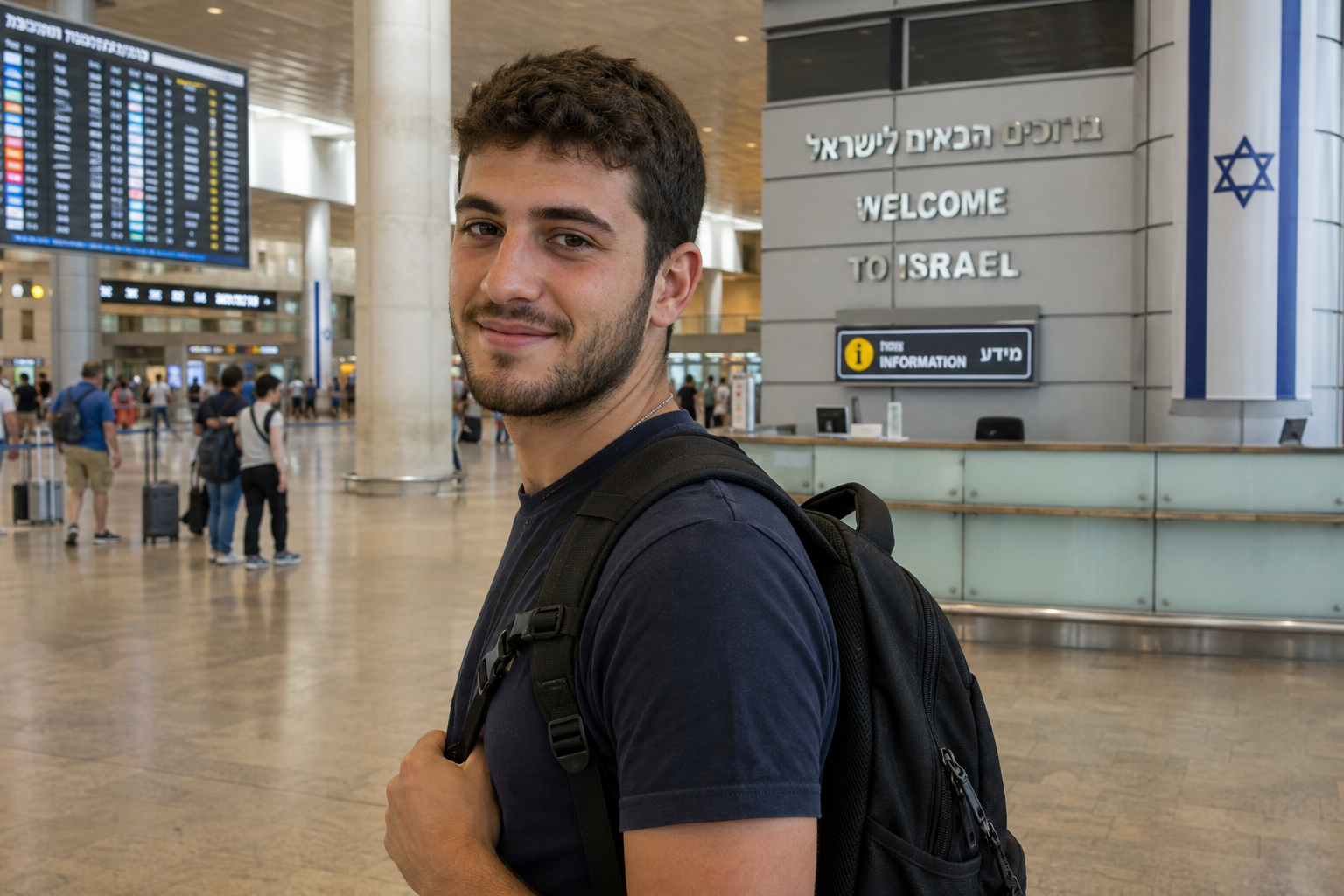
Airport staff moved through the terminal with practiced efficiency as Cohen spoke. Security checks and passport lines continued without pause, a backdrop to stories of personal calculation. Cohen stressed that his departure was never about abandoning the country. It was a temporary reset to regain strength before re-engaging with daily life here. Friends who stayed had sent messages during his absence, some envious, others understanding. He now plans to resume work in tech while staying connected to a support group for those managing similar pressures.
Further along the terminal, another traveler shared a different path. David Rosenberg, 45, originally from Toronto, has lived in Albania for five years. He visits Israel periodically and follows news from the region closely. The constant stream of conflict reports had pushed him into deep depression at times. Rosenberg developed his own coping method that he described as unusual but effective. Every morning at dawn he swims in the Adriatic Sea near Tirana, no matter the weather or season. The cold water and physical exertion clear his mind before he starts the day.
Rosenberg explained the ritual grew out of trial and error. Traditional therapy helped but never fully addressed the specific weight of watching events unfold from afar. The swims force total presence in the moment. He focuses on breathing and the horizon rather than scrolling updates. Over time the practice reduced his anxiety enough to maintain work as a freelance writer and stay engaged with Jewish community activities in Albania. He still feels the pull of Israeli news but now processes it without spiraling.

The two men represent a wider pattern visible at the airport this week. Travelers pass through carrying stories of departure, return, and adaptation. Some leave for studies or jobs abroad, others arrive after years away. Conversations overheard near gates often touch on the same tension between personal well-being and connection to home. Cohen and Rosenberg both spoke of finding balance rather than permanent solutions. Their choices reflect individual calculations made under the pressure of repeated conflicts.
Ben-Gurion handles thousands of passengers daily, many with direct ties to the security situation. Families greet returning soldiers. Young people board flights for gap years or long-term moves. Older passengers discuss retirement plans in quieter countries. The terminal itself remains a neutral space where these decisions play out without judgment. Cohen noted that friends who criticized his time away later admitted similar thoughts. Rosenberg said his method works because it is private and repeatable, not dependent on external validation.
Both men expressed hope that future generations might face fewer such choices. Cohen plans to mentor younger colleagues about mental health resources available inside Israel. Rosenberg continues his swims and occasional visits, maintaining ties without relocating. Their accounts at the airport this week highlight personal resilience shaped by circumstances beyond individual control. The flights continue to arrive and depart as people navigate the space between escape and belonging.
Additional details from conversations at the terminal revealed similar themes. One family discussed sending a teenager abroad for a summer program to provide relief from constant tension. Another traveler described weekly calls with relatives still serving in reserves. These exchanges occurred between boarding calls and security announcements, ordinary moments against an extraordinary backdrop. Cohen and Rosenberg each emphasized that no single decision fits everyone. What matters is recognizing limits and acting accordingly.
The airport setting amplifies these reflections because it marks literal transitions. Passengers watch planes take off toward distant cities and consider their own next steps. Cohen's return flight had given him time to plan reentry carefully. Rosenberg's visits serve as periodic anchors rather than permanent moves. Both approaches acknowledge the reality of ongoing wars while preserving individual capacity to function. Their stories add to the steady flow of personal accounts that surface whenever large numbers gather at the terminal.