
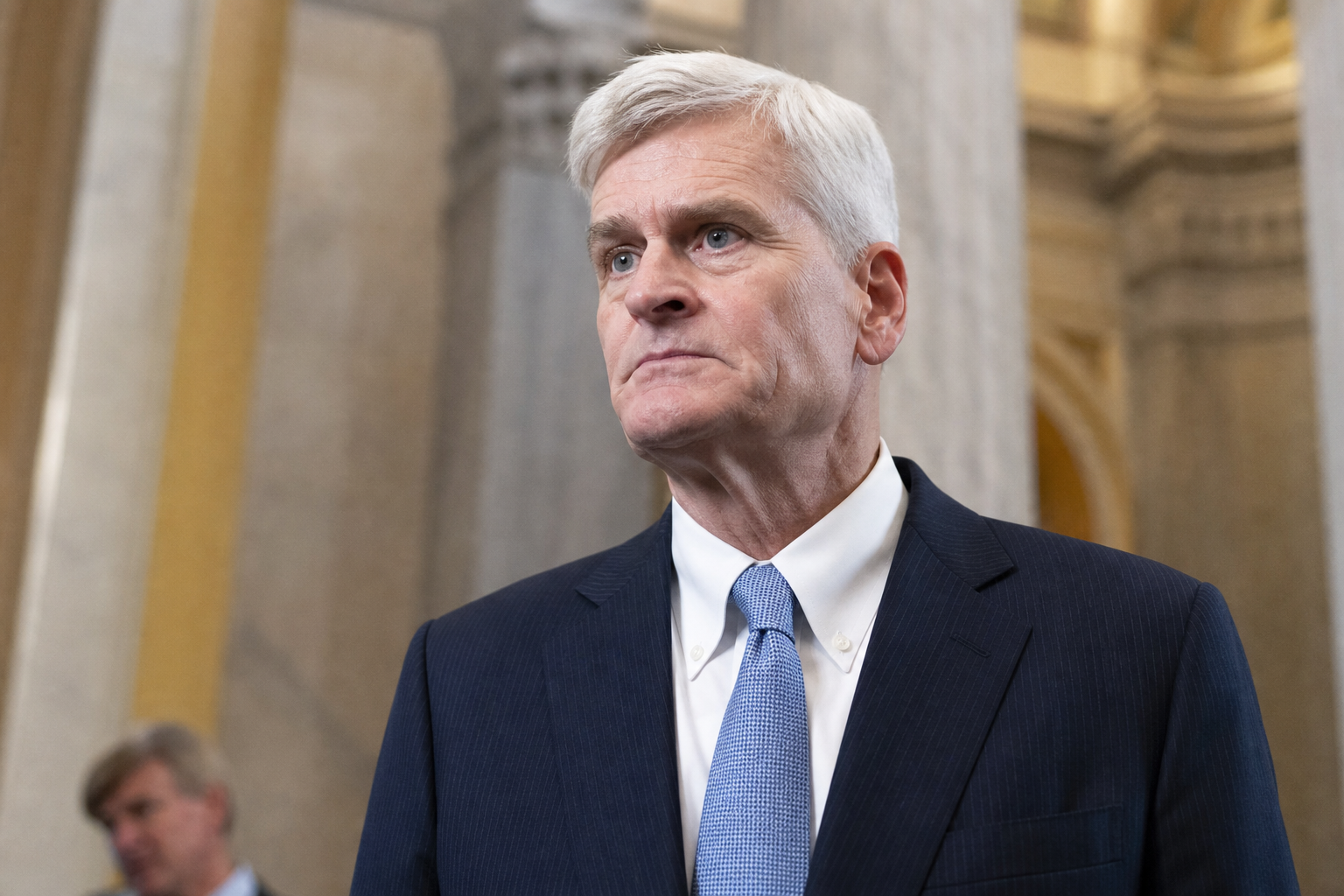
Sen. Bill Cassidy stared down the political machinery arrayed against him and predicted victory on primary day in Louisiana.
In an interview hours before polls closed on May 16, 2026, the Republican senator brushed aside former President Donald Trump’s explicit effort to remove him from office. “I’m going to win today. I may go into a runoff. But I’m always going to vote for the good of my country and my people,” Cassidy said.
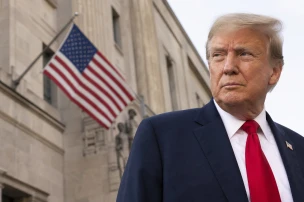
The race tested the reach of Trump’s post-presidency influence inside the GOP. Cassidy became a target after he voted to convict Trump during the 2021 Senate impeachment trial over the January 6 Capitol attack. Trump responded by endorsing Rep. Julia Letlow and encouraging donors to defeat the incumbent.
Early polling placed Cassidy in third place behind Letlow and former Rep. John Fleming. No sitting Louisiana senator has lost a primary in nearly a century. A defeat would mark the first such ouster since the 1920s and would hand Trump a high-profile scalp in his campaign to punish lawmakers who crossed him.
The MAHA PAC, tied to the Make America Healthy Again movement, committed one million dollars to Letlow’s effort. The outside money flooded television and digital channels in the final weeks, portraying Cassidy as insufficiently loyal to Trump’s agenda on health policy and border security.
Cassidy’s defiance reflected a calculation that Louisiana Republicans still valued his record on health care and energy issues over strict fealty to Trump. He has represented the state since 2015 and previously served as a physician in Baton Rouge. Voters in the state’s rural parishes and suburban corridors around New Orleans and Shreveport know his name from repeated reelection victories.
Letlow, who won a special election in 2021 to succeed her late husband, Luke Letlow, positioned herself as the fresh face aligned with Trump’s current priorities. Fleming, a former congressman and Trump administration official, split the anti-Cassidy vote by emphasizing his own long-standing conservative credentials.
Politico’s reporting on the final days of the race described Cassidy as unusually relaxed during campaign stops across north Louisiana. He told small groups of supporters that he had no regrets about the impeachment vote and would cast it again if confronted with the same evidence. The senator’s willingness to speak openly about that decision contrasted with other Republicans who have sought to avoid discussing their past breaks with Trump.
Newsweek’s final pre-primary survey showed Letlow leading with Fleming close behind and Cassidy trailing. The numbers suggested a possible runoff between the top two finishers under Louisiana’s primary rules. Cassidy’s team argued that the presence of two Trump-aligned candidates would fragment the opposition and allow him to advance.
PBS NewsHour correspondents on the ground reported that the contest had become a referendum on whether Trump could still dictate outcomes in Senate races. Party strategists in Washington watched closely, noting that a Letlow victory would reinforce the former president’s ability to shape the 2026 midterm map before he potentially seeks another term.
Cassidy spent the closing hours of the campaign emphasizing his work securing federal funding for Louisiana ports and hospitals. He avoided direct attacks on Trump, instead framing the contest as a choice between experienced governance and symbolic loyalty tests. Supporters at a Baton Rouge event cheered when he repeated his pledge to put country first.
Opponents countered that Cassidy’s impeachment vote revealed a fundamental misalignment with the Republican base. Letlow’s campaign highlighted Trump’s endorsement in every advertisement, arguing that only a senator fully aligned with the former president could deliver results on issues such as reducing federal regulations and confronting China.
The primary unfolded against a backdrop of low turnout expectations typical for off-year contests. Still, both camps invested heavily in get-out-the-vote operations in key parishes including Jefferson, East Baton Rouge, and Caddo. Early voting data indicated stronger participation in suburban areas where Letlow performed well in her previous House race.
Political observers noted that a Cassidy loss would accelerate the generational shift already underway in the Senate Republican conference. Lawmakers who served during the Trump presidency and occasionally broke ranks would face renewed pressure to demonstrate loyalty ahead of future primaries.
Cassidy’s interview comments underscored his bet that Louisiana voters would reward independence. He told reporters he remained prepared for a runoff and confident that his personal relationships across the state would carry him through. The senator’s team pointed to past races in which he overcame unfavorable polling by focusing on local issues rather than national political theater.
Trump’s allies, meanwhile, framed the primary as unfinished business from 2021. They argued that replacing Cassidy would strengthen the Senate GOP’s ability to advance a unified agenda should Republicans regain the majority. The former president’s political action committee amplified that message through digital fundraising appeals timed to the final weekend of campaigning.
As results began arriving after polls closed, attention turned to whether Cassidy’s defiance would prove politically costly or whether Louisiana’s electorate would again reward an incumbent who placed institutional norms above partisan demands. The outcome carried immediate implications for how other Senate Republicans calculate risks ahead of their own reelection cycles.