
Five European nations have withdrawn from the Eurovision Song Contest in Vienna, transforming the annual music event into a new arena for protests over Israel's military actions in Gaza.
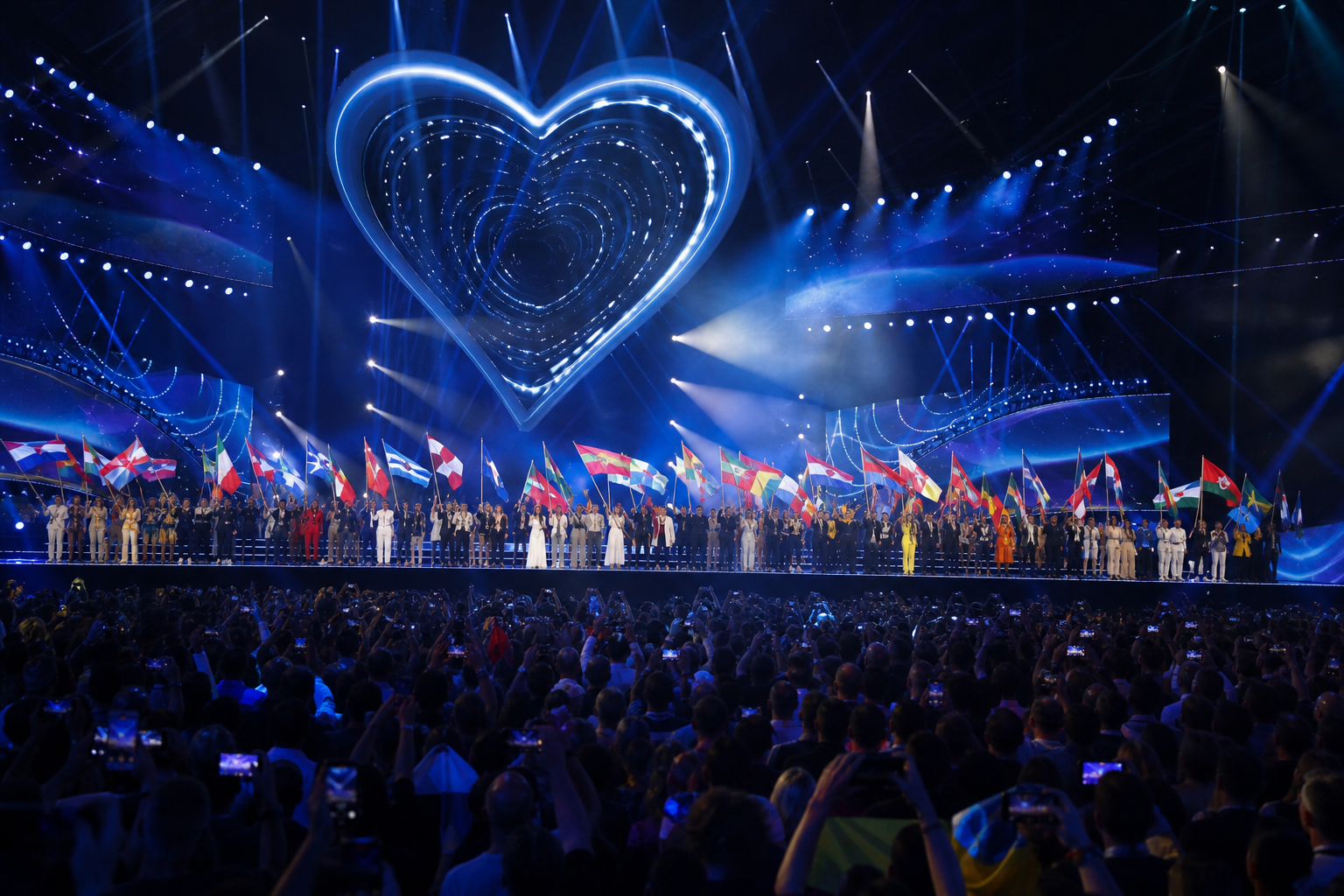
The 70th edition of the contest faces reduced participation after Spain, the Netherlands, Ireland, Iceland and Slovenia announced their exits. The final is scheduled for May 16, 2026, with semi-finals beginning May 12. Spain, Ireland and Slovenia will not broadcast the shows at all, while Iceland and the Netherlands plan to air the event without sending performers.
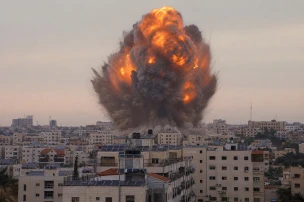
Announcements began on December 4, 2025, and continued through subsequent months. Each country pointed to Israel's participation as incompatible with the contest's claimed neutrality amid the Gaza conflict. The war has killed at least 72,740 people, including around 20,000 children according to Slovenian statements and reports from Al Jazeera.
The situation in Gaza, despite the ceasefire and the approval of the peace process, and the use of the contest for political goals by Israel, make it increasingly difficult to keep Eurovision a neutral cultural event.
Alfonso Morales, secretary-general of Spain's RTVE broadcaster, issued that statement when explaining his country's decision. Similar language appeared in announcements from Dublin, Ljubljana, Reykjavik and Amsterdam. Broadcasters described Israel's continued involvement as an endorsement of policies they could no longer support through public funding or airtime.
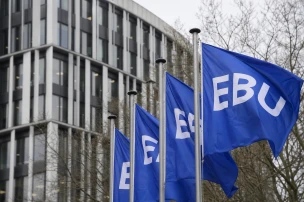
The European Broadcasting Union has so far refused to suspend Israel, unlike its swift exclusion of Russia following the 2022 invasion of Ukraine. Agnes Callamard, secretary-general of Amnesty International, called the refusal an act of cowardice that exposes double standards.
The failure of the European Broadcasting Union (EBU) to suspend Israel from Eurovision, as it did with Russia, is an act of cowardice and an illustration of blatant double standards when it comes to Israel.
Callamard spoke directly to the inconsistency in EBU policy. The organization maintains that Eurovision remains a non-political song competition open to all member broadcasters in good standing. Israel has participated since 1973 and won the contest four times, most recently in 2018.
Previous controversies include large-scale protests during the 2019 edition hosted in Tel Aviv. Demonstrators criticized Israel's treatment of Palestinians and questioned whether the event should be held in the country. Those tensions have now produced concrete withdrawals rather than street demonstrations alone.
Spain's decision carried particular weight because the country has historically been a consistent participant and strong financial contributor. Its absence from both competition and broadcast will reduce the event's reach across Spanish-speaking audiences in Europe and Latin America. Ireland cited similar reasons, noting its long record of support for Palestinian causes in international forums.
Slovenia emphasized child casualties in Gaza when justifying its exit. Officials there stated that the death toll among minors made continued participation untenable. Iceland's withdrawal followed internal debates within its public broadcaster about cultural events and foreign policy alignment. The Netherlands cited both the humanitarian situation and the perceived politicization of Israel's entry.
Organizers in Vienna have continued preparations regardless. The Austrian capital expects thousands of visitors, artists and media crews for the semi-finals and final. Hotels and venues report steady bookings, though some sponsors have expressed concern about potential negative attention.
Viewership for recent Eurovision finals has reached 166 million people worldwide. The loss of major broadcasters such as Spain could trim those numbers noticeably in 2026. Dutch and Icelandic viewers will still see the shows, but without national entries to support. Smaller participating nations may gain unexpected visibility as a result.
The withdrawals also raise questions about future funding and voting blocs within the contest. Countries that remain have not announced similar moves, though several artists and advocacy groups have called for additional boycotts. The EBU has urged focus on the music and warned against further politicization.
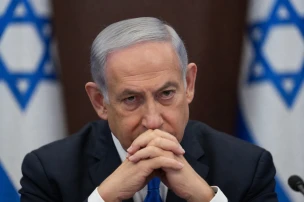
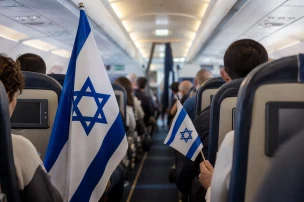
Israeli officials have condemned the boycotts as discriminatory and counterproductive. They argue that culture should remain separate from foreign policy disputes and that singling out Israel reveals bias. The Israeli public broadcaster has confirmed it will still send an entry and participate fully in Vienna.
Background on the Gaza war includes a recent ceasefire and international approval of a peace process, yet the five nations maintain their objections. They point to ongoing restrictions in Gaza and unresolved political goals they attribute to Israel. Reports from The Guardian described the buildup in Vienna as tense, with security preparations heightened around the contest venues.
DW coverage noted that the broadcast decisions by Spain, Ireland and Slovenia represent a significant escalation. Previous protests had largely stayed symbolic. Removing national entries and airtime directly affects the event's format and finances. The EBU receives contributions from each participating broadcaster, so fewer participants mean tighter budgets for production and promotion.
Some analysts compare the current situation to earlier political flashpoints. The 2022 exclusion of Russia occurred after broad international consensus. No equivalent consensus exists regarding Israel, leaving the EBU to navigate competing member demands. The organization has so far avoided suspending any other country despite calls from activists.
Fans and artists from the withdrawing nations have expressed mixed reactions. Some support the principle of protest through non-participation. Others regret missing the opportunity to showcase new music on an international stage. Petitions both for and against the boycotts have circulated online since December.
The contest will proceed with a smaller field of countries. Semi-final allocations and voting procedures may shift slightly to accommodate the reduced lineup. Vienna's city government has invested in infrastructure upgrades and cultural side events to maximize the host experience.
Longer-term consequences remain uncertain. Future host bids could face greater scrutiny if political disputes continue. Broadcasters in remaining countries may face domestic pressure to reconsider their own participation. The EBU has scheduled internal discussions after the 2026 final to review rules on membership and eligibility.
Al Jazeera reporting placed the Gaza death toll at a minimum of 72,740 by early May 2026. Independent verification remains difficult due to access restrictions. Slovenia specifically referenced 20,000 child deaths when announcing its withdrawal. Those figures have become central to the arguments presented by the five nations.
The withdrawals mark the largest coordinated boycott in Eurovision history. Whether additional countries follow remains to be seen. The contest's reputation as a unifying cultural event faces its sternest test yet in Vienna next spring.