
Donald Trump arrived in Beijing on May 13, 2026, to press Chinese leaders for help reopening the Strait of Hormuz and concluding the 75-day Iran war.
The president had already dismissed Iran's most recent peace offer the previous day. Tehran had demanded formal U.S. recognition of its control over the strait, full sanctions relief, and substantial war reparations.
Trump described the current ceasefire arrangement as on life support. Vessel attacks inside the strait have continued despite a recent extension of the fragile truce.
Iran's proposal sought major concessions that Washington views as non-starters. The demands included explicit acknowledgment of Iranian sovereignty over the narrow waterway that carries roughly one-fifth of global oil trade.
Trump's team conveyed the rejection directly to Iranian intermediaries before the president departed for China. Officials said the terms would have rewarded Tehran for initiating the conflict and disrupting international shipping.
The strait remains under constant threat. Small boat attacks and missile strikes have targeted commercial tankers almost daily since fighting erupted 75 days earlier.
Global oil supplies have already fallen by 3.9 million barrels per day because of the closures and insurance cancellations. Energy prices in Europe and Asia have climbed sharply in response.
Trump told reporters traveling with him that only Beijing holds enough leverage over Tehran to force a practical solution. China imports large volumes of Iranian crude and maintains close diplomatic ties with the Islamic Republic.
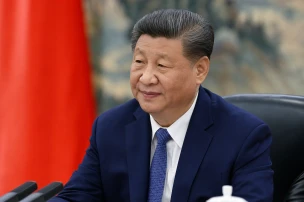
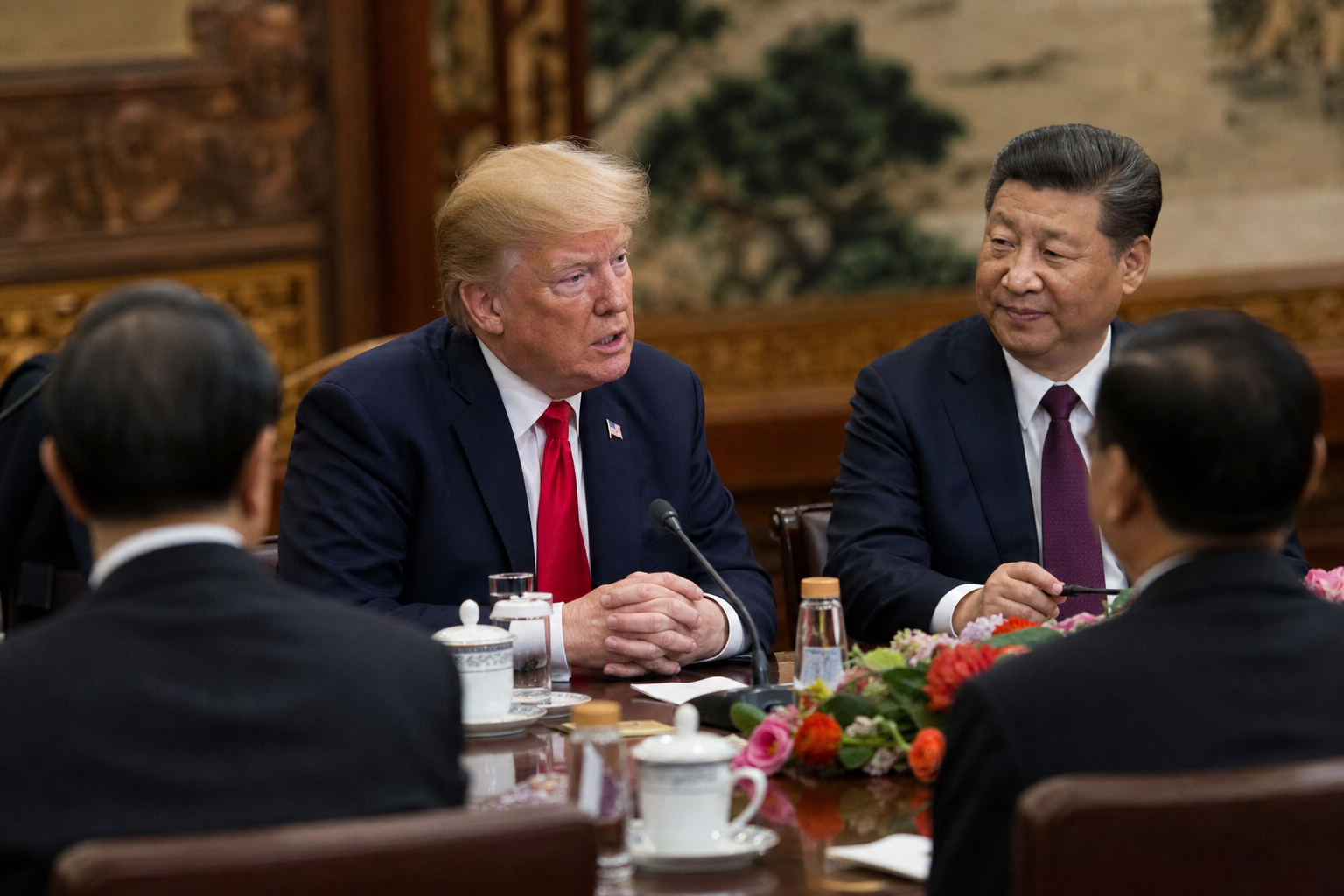
During the May 14-15 summit with Xi Jinping, Trump plans to argue that stable energy flows serve Chinese economic interests as much as American ones. He will ask Beijing to withhold further oil purchases until Iran reopens the waterway.
Chinese officials have so far avoided direct involvement in the military phase of the conflict. They have instead called for dialogue while continuing to purchase discounted Iranian oil through intermediaries.
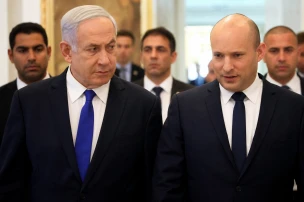
Israeli officials welcomed Trump's decision to travel to Beijing. Prime Minister Benjamin Netanyahu stated that any durable ceasefire must guarantee free navigation through the strait without Iranian veto power.
European diplomats expressed cautious optimism about the Beijing talks. They noted that previous U.S. attempts to isolate Iran without Chinese cooperation produced limited results.
Inside Iran, hard-line factions have rejected any deal that fails to extract formal recognition of their strait control. Moderates inside the government reportedly favor a narrower agreement focused on sanctions relief alone.
U.S. military commanders continue to escort limited tanker convoys through the remaining open lanes. Defense officials report that Iranian Revolutionary Guard speedboats still harass vessels on a near-daily basis.
Trump's national security team has prepared several fallback options if China declines to apply strong pressure. These include expanded sanctions on Chinese firms that continue buying Iranian oil and increased naval presence in the region.
Oil market analysts say reopening the strait would quickly ease price pressure worldwide. A sustained closure, however, risks pushing Brent crude above 120 dollars per barrel within weeks.
Trump arrived at the Great Hall of the People for his first meeting with Xi on the afternoon of May 13. The two leaders were scheduled to hold extended private discussions on the Iran file before turning to trade and technology issues.
White House sources indicated that Trump carried a detailed proposal outlining phased sanctions relief tied directly to verified Iranian withdrawal from the strait. The plan would also require Tehran to cease attacks on commercial shipping.
Iranian Foreign Minister Abbas Araghchi told state media that his country would not accept any agreement that leaves its sovereignty over the strait in doubt. He described the U.S. rejection of Tehran's earlier offer as predictable and unhelpful.
Regional shipping companies have rerouted dozens of tankers around the Cape of Good Hope since the crisis began. The longer voyages have added significant costs and delays for European and Asian refiners.
Trump has repeatedly stated that he wants a deal rather than continued fighting. He has emphasized that Chinese cooperation could deliver results faster than additional military action.
Xi is expected to listen carefully to Trump's arguments while protecting China's energy security interests. Beijing has historically balanced relations with both Tehran and Washington during previous crises.
Negotiators from both sides remain in indirect contact through third parties in Oman and Switzerland. Those back-channel discussions have produced no breakthrough since the latest proposal was tabled.
The 75-day conflict has already claimed hundreds of lives and caused billions of dollars in damage to energy infrastructure across the Gulf. Neither side has achieved a decisive military advantage.
Trump's visit to Beijing marks the most direct U.S. effort yet to bring China into the diplomatic process. Success or failure will likely determine whether the current ceasefire collapses entirely or evolves into a more durable arrangement.
Additional reporting indicates that U.S. and Chinese technical teams have begun preliminary discussions on monitoring mechanisms for any potential reopening of the strait. These talks focus on verification procedures that could satisfy both sides while ensuring safe passage for commercial vessels.
Industry sources in the energy sector note that prolonged uncertainty has led several major refiners to accelerate investments in alternative supply routes and strategic reserves. This shift could have lasting effects on global trade patterns even after the immediate crisis subsides.
Regional analysts continue to monitor internal political dynamics in Tehran where competing factions debate the merits of further concessions versus continued resistance to external pressure.