IDF Strikes Nearly 100 Hezbollah Targets in Lebanon
Israeli forces destroyed underground infrastructure and rocket launchers north of the Litani River while killing two Hezbollah operatives near a launch site during attacks on northern Israel.
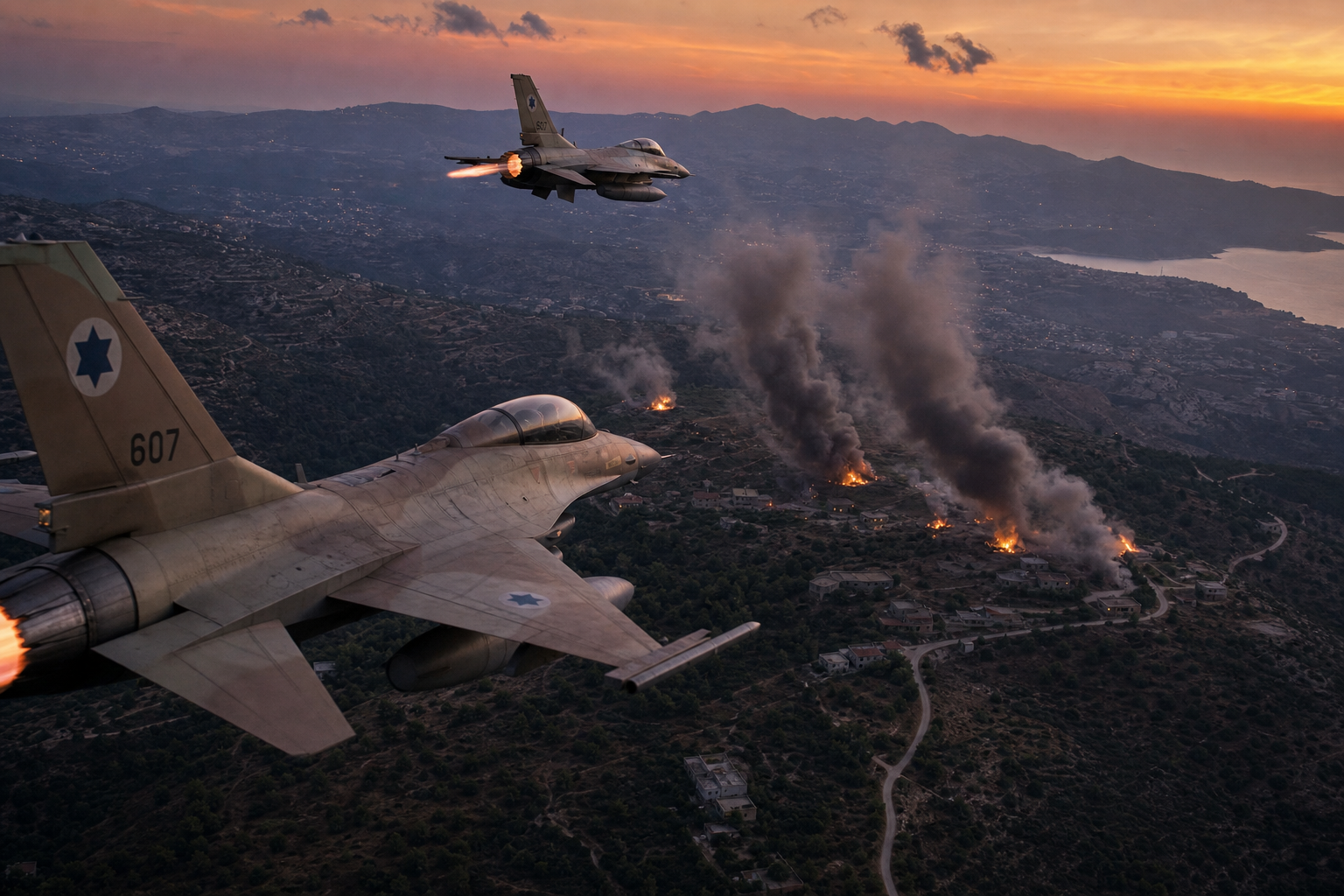
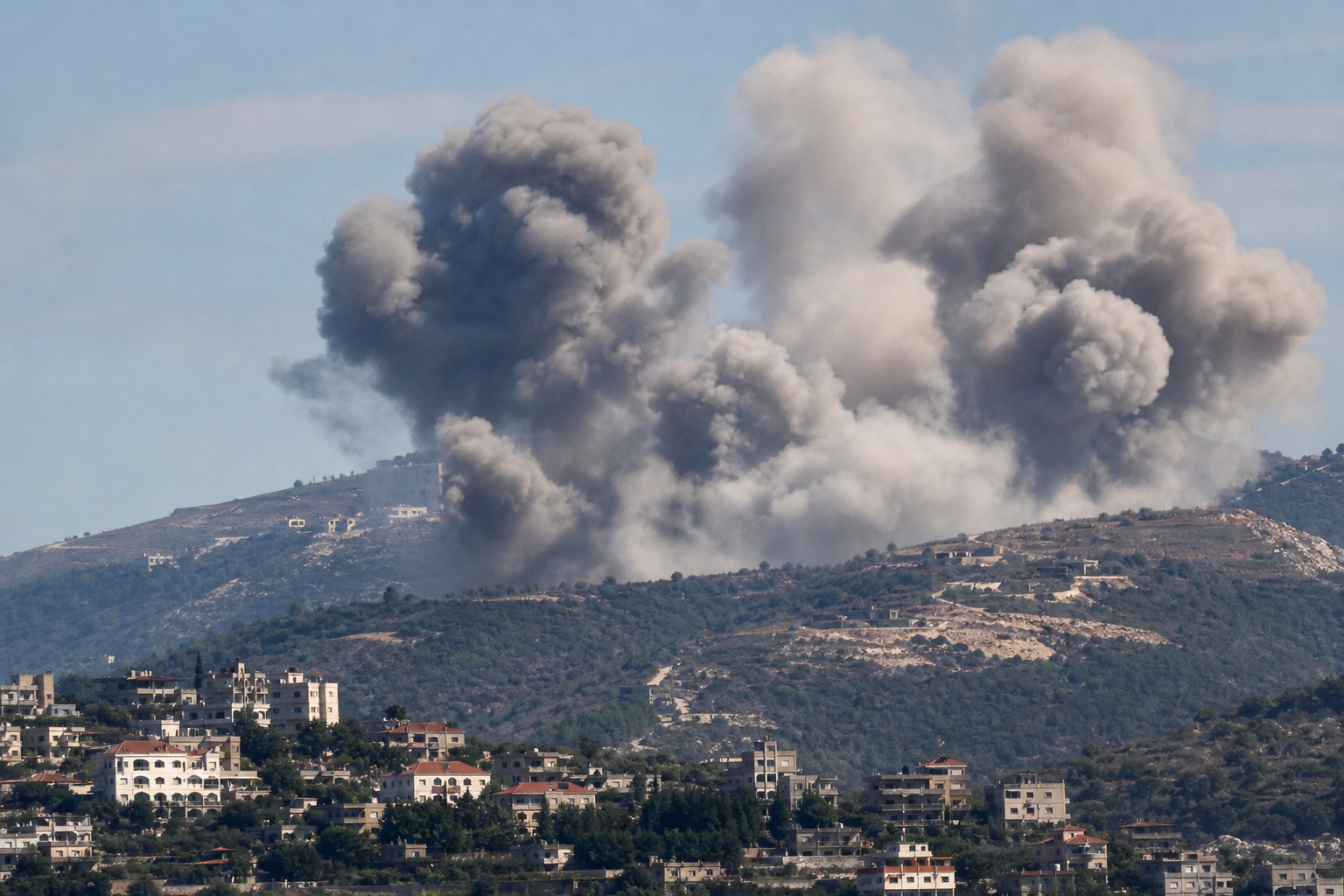
Israeli Defense Forces aircraft and artillery delivered precise strikes against nearly 100 Hezbollah combat targets across southern Lebanon on May 13, 2026. The operation supported advancing troops from the Golani Brigade north of the Litani River and destroyed underground tunnels, command posts and multiple rocket launchers. Two Hezbollah fighters were killed in close proximity to one active launch site during the coordinated assault.
Footage released by the military showed direct hits on fortified positions and secondary explosions from stored munitions. Pilots targeted sites that had been used to fire projectiles toward Israeli communities and military positions in recent days. The strikes formed part of a sustained campaign that has now eliminated more than 1,100 Hezbollah targets since ground operations began.
Israeli aircraft struck nearly 100 Hezbollah positions on May 13, 2026.
Hezbollah responded with continued fire toward Israeli territory over the following 72 hours. The group launched several rockets, explosive drones and mortar shells aimed at northern Israeli communities and IDF units operating along the border. Israeli air defenses intercepted many of the incoming projectiles, though some impacts were reported in open areas.
An IDF spokesperson stated that operations would continue until Hezbollah infrastructure threatening Israeli civilians is removed. "The IDF has begun striking Hezbollah terror infrastructure sites in several areas in southern Lebanon," the spokesperson said. Military sources indicated that the latest wave focused on sites directly supporting Hezbollah rocket units and drone teams.
The Golani Brigade advanced methodically through terrain north of the Litani River, encountering Hezbollah fighters who attempted to operate launchers under cover of darkness. Ground forces called in close air support that eliminated two operatives moments before they could fire additional rockets. The incident occurred near a cluster of launchers hidden among olive groves and concrete structures.
Since the start of the expanded campaign, Israeli forces have struck more than 1,100 individual targets belonging to Hezbollah. These include dozens of underground facilities designed to store long-range rockets and protect fighters from detection. Each strike is preceded by extensive intelligence collection to limit civilian casualties in the densely populated border region.
Residents of northern Israeli communities have remained displaced for months due to the persistent threat of Hezbollah fire. Local leaders welcomed the intensified operations, noting that only sustained pressure on Hezbollah infrastructure can allow families to return safely to their homes. Schools and businesses in towns such as Kiryat Shmona and Metula stayed closed as a precautionary measure.
Lebanese officials reported damage to civilian homes and agricultural land near the targeted sites. Hezbollah media outlets claimed the group successfully launched retaliatory projectiles and vowed further attacks. Independent verification of casualty figures on the Lebanese side remains limited because of restricted access to the combat zone.
The United States has expressed support for Israel’s right to defend itself while urging both sides to avoid further escalation. American diplomats continue to work with regional partners on de-escalation frameworks, though no immediate ceasefire appears imminent. Israeli officials have emphasized that operations will proceed according to security requirements rather than external timelines.
Military analysts tracking the campaign note that Hezbollah has lost significant rocket-launching capacity in the targeted areas. The destruction of underground infrastructure forces remaining fighters to operate with reduced protection and slower response times. This degradation directly affects Hezbollah’s ability to sustain high-volume fire into Israel.
Over the past 24 hours ending May 16, Hezbollah fired multiple salvos that included both short-range rockets and explosive drones. Mortar shells targeted forward IDF positions near the border fence. Israeli troops responded with artillery and tank fire while air defenses handled aerial threats. No Israeli casualties were reported from these specific incidents.
The cumulative effect of more than 1,100 strikes has forced Hezbollah to disperse its forces and equipment across a wider area. Commanders have shifted some assets deeper into Lebanon, away from the immediate border zone. Israeli intelligence continues to track these movements and adjust targeting priorities accordingly.
Soldiers from the Golani Brigade described intense close-quarters engagements with Hezbollah squads attempting to protect launch sites. Night-vision footage captured during one clash showed fighters positioning rockets minutes before an Israeli drone strike neutralized the threat. Such operations require precise coordination between ground units and air assets.
Northern Israeli hospitals remain on heightened alert for potential casualties from incoming fire. Medical teams have treated several civilians for shock and minor injuries caused by explosions in nearby fields. Emergency services conduct regular drills to prepare for larger-scale attacks.
The broader conflict that began after October 2023 has now expanded into sustained ground and air operations inside southern Lebanon. Israeli leaders have stated that Hezbollah must withdraw its forces north of the Litani River in accordance with existing United Nations resolutions. Until that condition is met, military pressure will continue.
International observers monitoring the situation report increasing humanitarian concerns for civilians caught between the fighting. Aid organizations have called for safe corridors to deliver food and medical supplies to affected villages. Israel has allowed limited humanitarian access while maintaining strict security protocols.
Hezbollah’s use of explosive drones represents an evolving tactic aimed at bypassing traditional air defenses. Israeli forces have adapted by deploying additional electronic warfare systems and rapid-response interceptor units. These countermeasures have proven effective in recent days, according to military statements.
The total number of Hezbollah fighters killed since the ground phase began exceeds several hundred, though exact figures are not released publicly. Israeli officials focus instead on the destruction of specific military capabilities such as rocket launchers and tunnel networks. This approach aims to create a buffer zone that protects northern Israel.
Residents displaced from border communities have begun organizing protests demanding decisive action against Hezbollah. Many argue that previous limited operations failed to restore lasting security. Current military planning reflects those concerns by pursuing deeper and more sustained pressure.
Weather conditions in the region have complicated both offensive and defensive operations. Low clouds and fog have occasionally delayed airstrikes while providing temporary cover for Hezbollah movements. Israeli forces compensate by relying more heavily on ground-based intelligence and thermal imaging.
The May 13 strikes marked one of the largest single-day operations in the current campaign. Over 100 separate targets were engaged within a few hours, demonstrating improved coordination between multiple IDF branches. Follow-up assessments confirmed high rates of target destruction with minimal collateral damage.
Hezbollah continues to embed military assets within civilian areas, a practice that Israeli officials condemn as a deliberate violation of international norms. The military releases video evidence showing launchers positioned next to homes and schools to support its claims. Such footage is distributed to international media outlets for verification.
Diplomatic efforts led by the United States and France seek to prevent the conflict from widening into a full regional war. Israeli leaders have reiterated that their objectives remain limited to restoring security along the northern border. Hezbollah, backed by Iran, frames its actions as resistance to Israeli aggression.
Daily life for civilians on both sides of the border remains severely disrupted. Families in northern Israel live in temporary housing or with relatives further south. In southern Lebanon, many villages have been partially evacuated due to ongoing strikes. Economic activity in the border region has nearly halted.
The IDF has stated it will maintain operational tempo as long as Hezbollah retains the ability to threaten Israeli territory. Additional strikes are expected in the coming days targeting remaining rocket infrastructure. Ground forces will continue to clear areas north of the Litani River of hostile elements.
Public statements from Israeli political leaders emphasize unity behind the military campaign. Opposition parties have largely refrained from criticism during active operations. This consensus reflects the broad domestic support for decisive action against Hezbollah.
Intelligence assessments indicate that Hezbollah has suffered significant leadership losses in addition to equipment destruction. Several mid-level commanders responsible for rocket units have been eliminated in targeted strikes. These losses further degrade the group’s operational effectiveness.
The coming weeks will determine whether Hezbollah chooses to reduce its fire or escalate further in response to the intensified campaign. Israeli forces remain prepared for either scenario while continuing to degrade the group’s military infrastructure. The focus stays on protecting Israeli civilians and restoring stability to the northern border region.
Hannah Whitaker focuses on international politics and security issues, providing insightful analysis on global events. Her approach involves thorough research and clear communication of complex topics to the public. She also covers developments in technology and their societal implications.








 Your profile