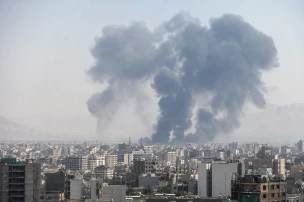

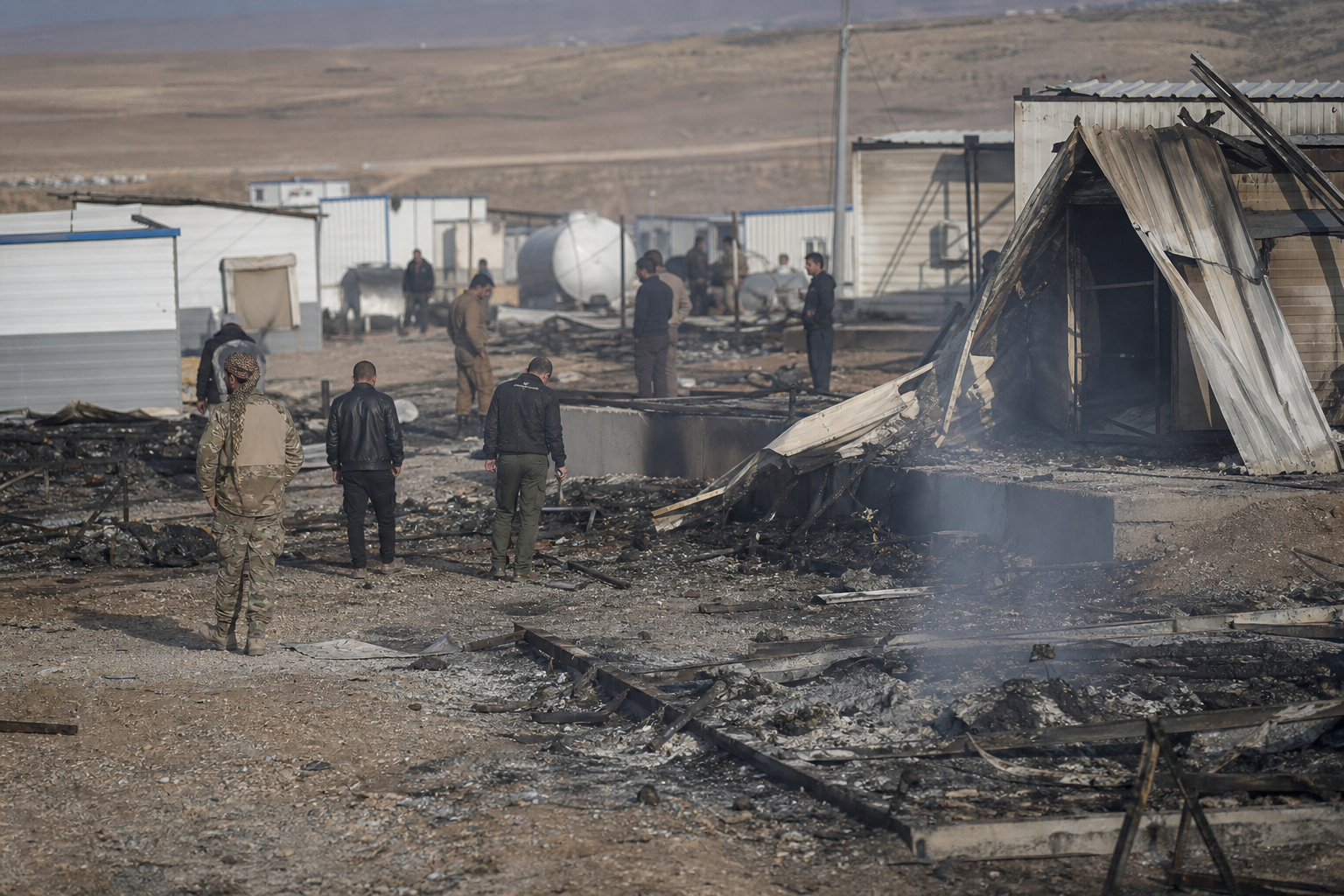
A drone strike slammed into an Iranian opposition camp north of Erbil on May 13, 2026, directly hitting an arms and ammunition depot according to security sources.
The attack caused damage to the storage facility but produced no reported deaths or injuries. Iraqi security officials described the strike as precise, with the drone apparently selecting a non-residential section of the camp to minimize civilian risk.
Reuters correspondent Muayad Hameed reported the incident citing multiple security sources. "A drone strike hit an Iranian opposition camp north of Iraq's Erbil, security sources said on Wednesday adding that an arms and ammunition depot inside the camp was targeted. There was no reports of fatalities," Hameed wrote.
The camp sits in a mountainous area of Iraq's Kurdistan Region roughly 30 kilometers north of Erbil. Such facilities have housed Iranian dissidents for years, drawing repeated threats from Tehran. Local authorities have long monitored the site for weapons storage amid fears of cross-border retaliation.
Residents near the camp reported hearing a single explosion followed by secondary blasts from the ignited ammunition. Emergency teams arrived within minutes yet found the area already secured by camp guards. No fires spread to living quarters, according to initial assessments.
Iraqi Kurdish officials have previously warned that weapons depots at opposition sites invite exactly this kind of response. The presence of such stockpiles complicates Erbil's efforts to maintain neutrality in regional disputes involving Iran.
The strike occurred against a backdrop of sustained conflict between Iran and its adversaries. Cross-border drone and missile exchanges have intensified since early 2026, raising fears that proxy actions could spill into Iraqi territory at any moment.
Security analysts note that targeting only the depot rather than residential buildings may reflect an attempt to send a message without triggering wider escalation. Still, any attack on Iraqi soil risks drawing in Baghdad and Erbil's own security forces.
Past incidents at similar camps have included rocket attacks and targeted killings attributed to Iran-backed militias. Wednesday's drone strike marks a shift in method, suggesting greater standoff capability from the perpetrator.
Erbil airport remained operational throughout the day with no flight disruptions reported. Kurdish security forces increased patrols along main roads leading to the camp but issued no public evacuation orders.
Local residents expressed concern over possible follow-up strikes. Many recalled previous episodes when tensions between Iran and opposition groups led to artillery exchanges near the border.
The opposition group maintains that its facilities serve defensive purposes only. Spokespeople have not yet issued a formal statement on the latest incident.
US News carried the Reuters dispatch within hours, underscoring American interest in developments that could affect stability in northern Iraq. The Times of Israel also flagged the event in its live coverage of regional security developments.
Diplomatic sources in Baghdad indicated that Iraqi officials contacted Iranian counterparts to seek clarification. No immediate claim of responsibility emerged from any party.
The lack of fatalities may limit immediate political fallout inside Iraq. However, the targeting of ammunition stores raises questions about how opposition groups continue to maintain armed capabilities on Iraqi soil.
Kurdistan Regional Government security forces have conducted periodic inspections of such camps in the past. Wednesday's attack could accelerate those reviews and force clearer rules on weapons storage.
Regional experts warn that even limited strikes can create dangerous precedents. A cycle of retaliation risks drawing Iraqi militias and Kurdish peshmerga into direct confrontation.
Humanitarian organizations operating near Erbil expressed worry for civilians living close to the targeted site. They called for all parties to avoid further actions that endanger non-combatants.
Wednesday's event fits a pattern of low-casualty, high-impact operations seen throughout the current Iran-related conflict. Precision munitions allow actors to degrade capabilities while claiming restraint.
Further details on the drone's origin remain unavailable. Iraqi investigators have collected fragments for analysis, though results are not expected for several days.
The opposition camp continues normal operations except for the damaged depot. Residents have been advised to avoid the affected area until clearance teams finish work.
Broader implications for the Iran war remain unclear. Each new incident along Iraq's borders adds pressure on mediators seeking to contain the fighting.
Local markets in Erbil reported no unusual movement or panic buying after the strike. Business continued as usual, reflecting residents' familiarity with occasional security alerts.
International observers will watch closely for any Iranian response or further strikes. The balance between signaling strength and avoiding full-scale confrontation remains delicate.
Security sources emphasized that the attack appeared isolated. No additional drones were detected in the area following the initial strike.
The episode highlights the persistent vulnerability of opposition sites in northern Iraq. Despite years of relative calm, underlying regional rivalries continue to produce sudden violence.