
European carriers are steadily restoring direct connections to Israel as regulators update safety guidance and airlines complete their own security reviews.
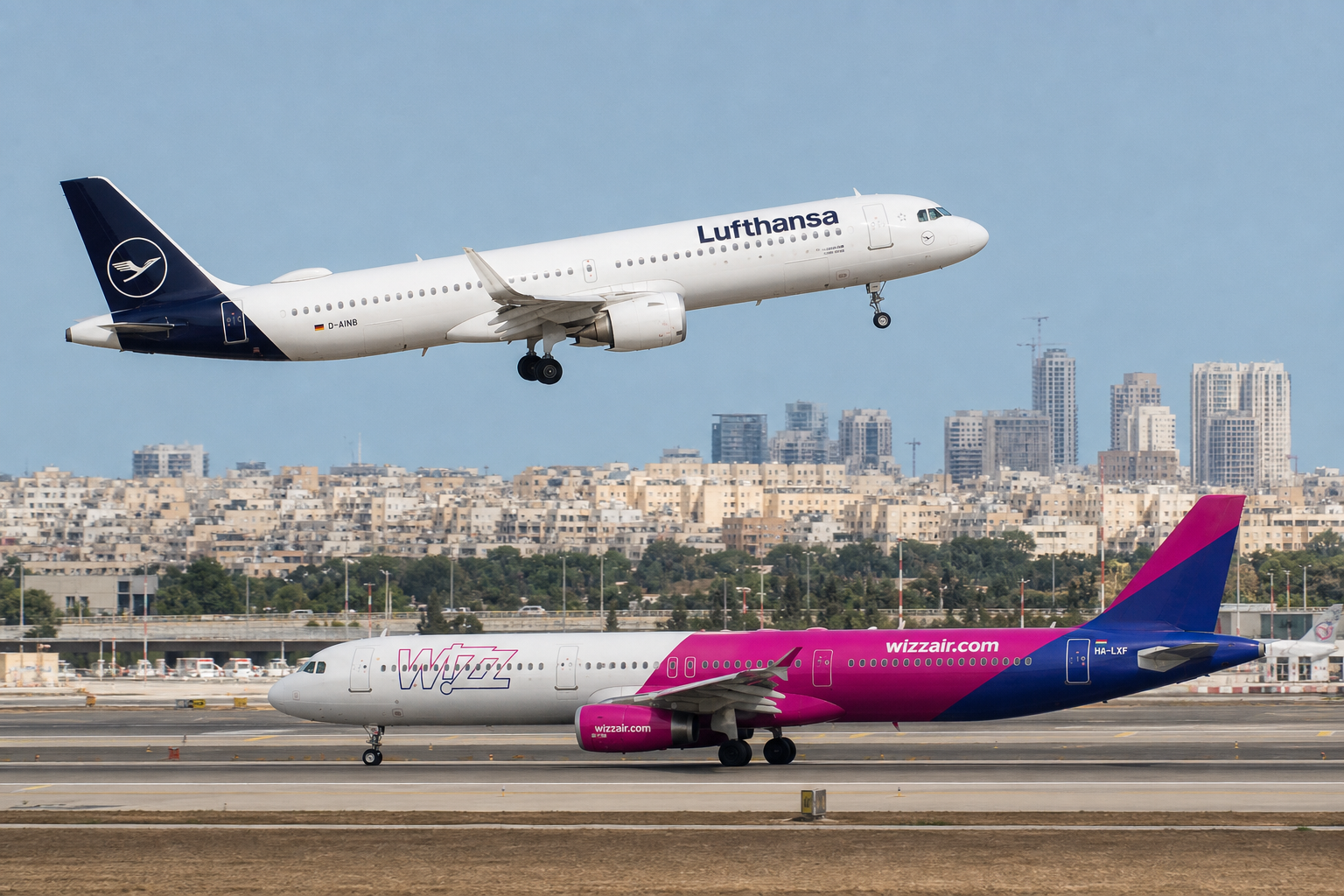
Wizz Air will resume every route to and from Tel Aviv Ben Gurion Airport on May 28. The low-cost carrier had suspended all Israeli operations for an extended period due to ongoing regional security concerns. Its return marks the first large-scale restoration by a foreign airline serving the market.
Ian Malin, Wizz Air Chief Commercial Officer, stated: "As Europe’s reliable airline and Israel’s number one low-cost airline, we are thrilled to confirm our return to Tel Aviv. The safety and security of our passengers and crew remain our top priority, and we have taken a cautious and measured approach to this decision."
The airline plans to restore frequencies gradually, beginning with daily services from several European cities including London, Rome, and Budapest. Additional routes will follow within weeks as demand stabilizes.
Lufthansa Group carriers are adopting a staggered schedule. Austrian Airlines and Lufthansa Cargo will restart Tel Aviv operations on June 1. Lufthansa and Swiss International Air Lines are scheduled to resume passenger flights on July 1. Eurowings, the group’s low-cost subsidiary, will follow in mid-July.
These dates follow an advisory update from the European Union Aviation Safety Agency that lowered risk assessments for flights into Israeli airspace. The agency cited improved security protocols at Ben Gurion Airport and reduced threat levels in recent assessments.
Industry analysts note that the phased approach allows each carrier to monitor operational conditions closely before committing full schedules. Lufthansa Group executives emphasized that crew training and ground handling procedures were reviewed extensively before the decisions were finalized.
Ben Gurion Airport officials have prepared for increased traffic. Terminal capacity, security staffing, and baggage handling systems have been adjusted to accommodate returning foreign carriers without creating bottlenecks. Airport management expects passenger volumes to rise steadily through the summer months.
Israeli tourism operators welcomed the announcements. Hotels in Tel Aviv, Jerusalem, and Eilat have reported higher booking inquiries since the first resumption rumors surfaced last month. Tour operators are preparing packages aimed at European leisure travelers who had postponed trips during the suspension period.
Local airline El Al faces renewed competition on European routes. The Israeli flag carrier maintained limited service throughout the suspension period but operated at reduced capacity. Industry observers expect ticket prices to moderate as more seats become available.
Travel agents across Europe have begun promoting the new flight options. Early sales data from Wizz Air indicate strong interest from price-sensitive travelers seeking short-haul leisure trips. Business travelers are also expected to return once Lufthansa and Swiss restore their premium cabins.
Security remains the central concern for all parties. Each airline has implemented enhanced risk-assessment procedures, including real-time intelligence sharing with Israeli authorities. Passengers can expect additional security checks both at departure airports and upon arrival in Tel Aviv.
The European carriers’ return reflects broader stabilization in the region. Several other airlines, including carriers from Eastern Europe and the Balkans, have signaled they are evaluating similar resumption timelines. Full restoration of pre-suspension flight volumes is projected to take several months.
Israeli aviation regulators have coordinated closely with their European counterparts. Joint working groups reviewed runway safety, air traffic control procedures, and emergency response plans. These measures helped satisfy the requirements set by the European agency.
Passenger sentiment surveys conducted in key European cities show cautious optimism. Many travelers who canceled trips last year now indicate willingness to book again, provided flight schedules remain reliable. Travel insurance providers have also adjusted policies to cover Israeli destinations once more.
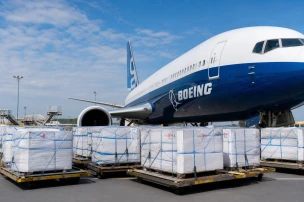
Cargo operations are expected to recover alongside passenger services. Lufthansa Cargo’s June 1 restart will restore important freight links for Israeli exporters of high-tech components and agricultural products. Shippers had relied on alternative routing through third countries during the suspension.
Airport retail and food service operators are preparing for higher footfall. Duty-free shops and restaurants at Ben Gurion have increased inventory levels and staffing in anticipation of returning international passengers.
The timeline remains subject to any sudden changes in regional security conditions. Airline spokespeople stressed that operations could be adjusted or suspended again if new threats emerge. Daily monitoring by security teams will continue throughout the summer.
Overall, the announcements represent a significant step toward normalization of air travel to Israel. With Wizz Air leading the way on May 28 and Lufthansa Group carriers following through July, Ben Gurion Airport is positioned to handle a meaningful increase in foreign carrier traffic by late summer.