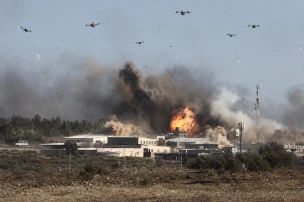

Renewed fears of direct military confrontation between the United States and Iran sent oil prices sharply higher on May 15, 2026.
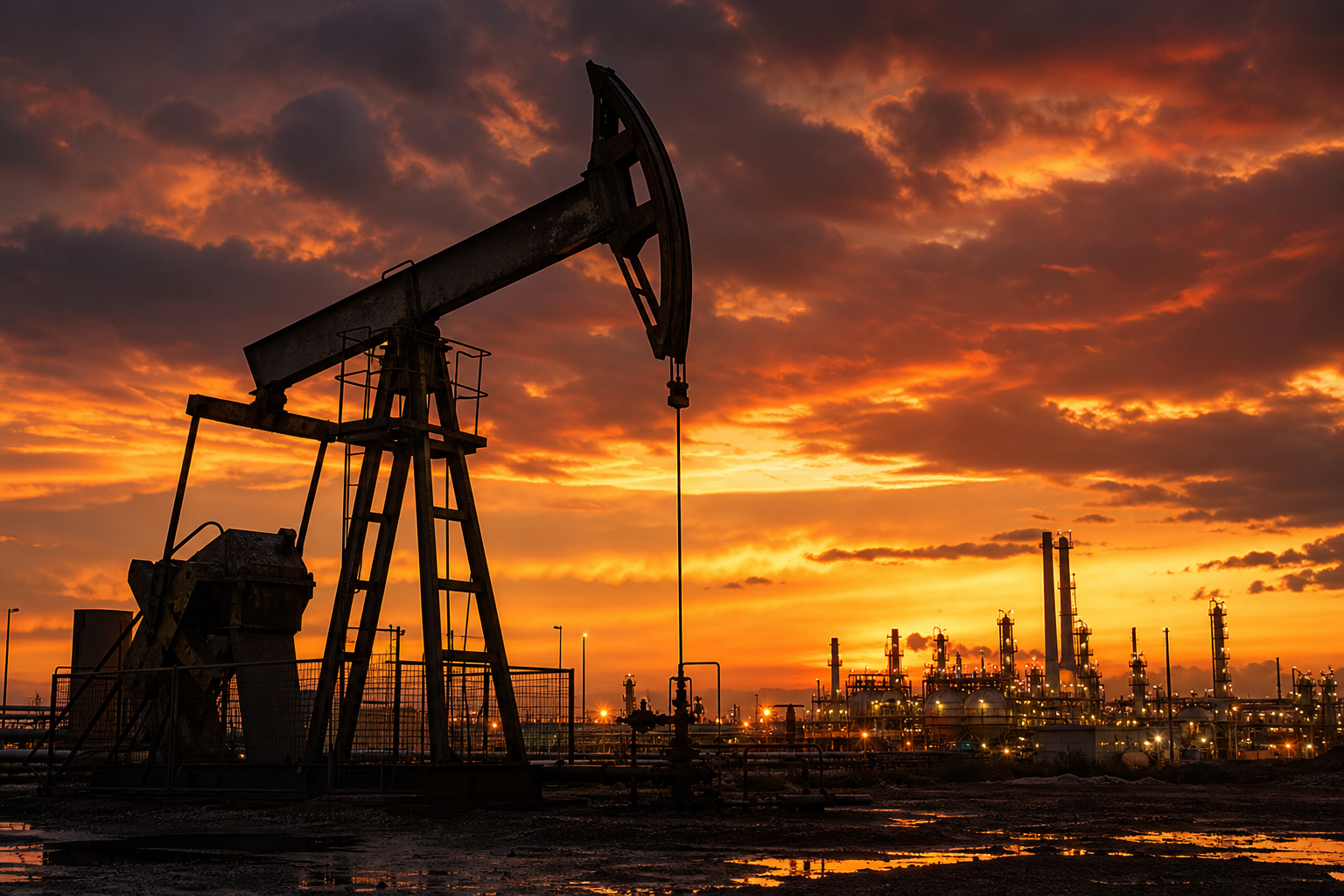
Brent crude futures settled at $109.26 a barrel, up $3.54 or 3.35 percent from the prior close. West Texas Intermediate crude posted steeper advances, finishing at $105.42 a barrel after climbing $4.25 or 4.2 percent. Weekly gains reached 7.84 percent for Brent and 10.48 percent for WTI as traders factored in sustained supply risks from the Middle East.
Traffic data from the Strait of Hormuz underscored the mounting pressure. Only 10 ships passed through the vital waterway in the past 24 hours, compared with the pre-war daily average of 140 vessels. The sharp decline reflects heightened insurance costs and operational caution amid US-Iran tensions that threaten normal tanker movements.
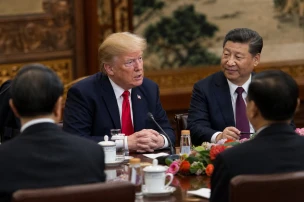
US President Donald Trump stated he is running out of patience with Iran and that he has agreed with Chinese President Xi Jinping that Iran cannot be allowed to have a nuclear weapon and must reopen the strait. The remarks followed a summit between the two leaders and contributed directly to the renewed market anxiety.
Iranian Foreign Minister Abbas Araqchi countered that Iran has no trust in the United States and will negotiate only if Washington demonstrates seriousness. Araqchi added that Iran remains prepared to resume fighting while remaining open to diplomatic solutions if conditions warrant.
The price surge follows fading hopes for a lasting ceasefire after the Trump-Xi discussions. Reuters reported the exact settlement figures alongside the statements from both capitals, confirming the direct link between political rhetoric and energy market moves. The New York Times coverage similarly tied the jump to $109.26 to evaporating expectations of de-escalation.
Trading Economics data placed Brent at 109.24 on the session, aligning closely with official settlement levels and highlighting consistent pricing across platforms. The single-day move exceeded three percent, a threshold that historically signals acute geopolitical concern rather than routine supply fluctuations.
The Strait of Hormuz remains the dominant factor. Any further reduction in tanker traffic would remove substantial volumes of crude from global markets, amplifying price volatility. Market participants now embed elevated risk premiums into forward contracts, anticipating possible additional disruptions in the coming weeks.
Broader economic effects are already visible. Higher energy costs feed directly into transportation and manufacturing expenses worldwide. European and Asian economies that rely heavily on Persian Gulf crude face immediate margin pressure, while central banks must weigh the inflation impulse against existing growth targets.
Israel monitors developments with particular attention. Elevated oil prices increase both direct energy import costs and indirect defense-related expenditures at a time of ongoing regional uncertainty. Israeli officials have not issued formal statements on the latest price action but continue to coordinate closely with Washington on energy security matters.
Traders now focus on the next diplomatic signals. A credible commitment to reopen full Hormuz transit could reverse recent gains rapidly. Conversely, any fresh military posturing or shipping incidents would likely push Brent above the current $109 level within days.
Insurance markets have already adjusted. Underwriters have widened premiums for vessels transiting the strait, contributing to the observed drop in daily passages. This self-reinforcing dynamic illustrates how quickly commercial operators respond to political risk.
Global equity markets displayed mixed reactions. Energy producers recorded gains while transportation and consumer discretionary sectors faced selling pressure over margin concerns. The pattern mirrors previous episodes when Middle East tensions dominated headlines.
Supply chain managers at major refineries are reviewing contingency plans. Some have begun securing alternative crude sources from West Africa and the Americas, though these grades cannot fully offset Persian Gulf volumes in the short term.
The current episode builds on prior periods of Hormuz-related volatility. Each time political tensions restricted traffic, prices remained elevated until physical flows normalized. Market memory of those cycles informs the swift repricing observed this week.
Investors continue to monitor satellite imagery and shipping reports for real-time indications of further traffic changes. Any sustained decline below 10 daily transits would constitute a material tightening of physical supply and could trigger additional price spikes.
Diplomatic channels remain active despite the public rhetoric. Both sides have signaled openness to talks under the right conditions, leaving room for a negotiated pause in hostilities that would ease immediate energy market stress.