
Thousands of travelers across Europe now face the prospect of canceled flights and lengthy delays after France's largest air traffic control union confirmed a three-day nationwide strike set for May 14 through 16.
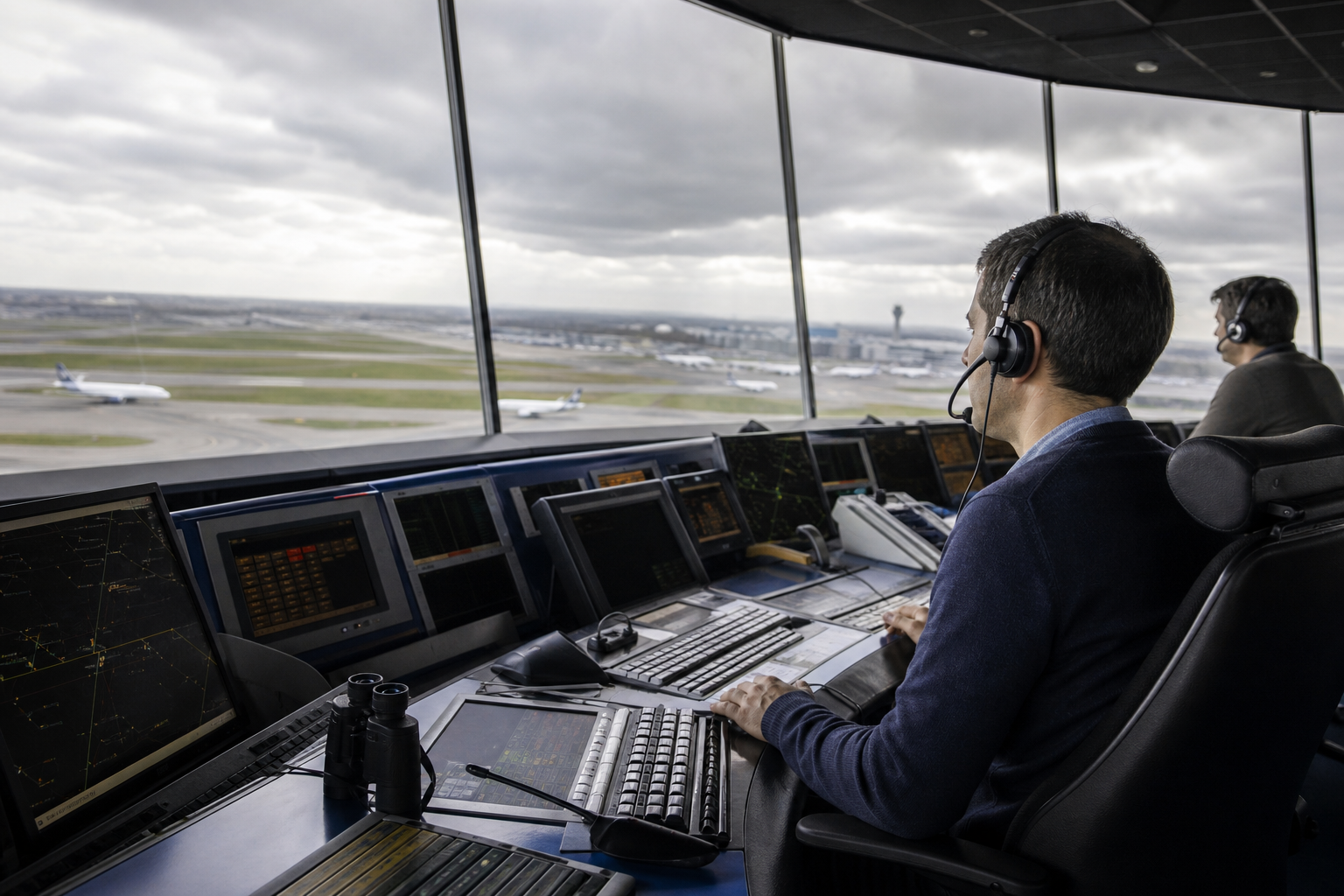
The Syndicat National des Contrôleurs du Trafic Aérien, known as SNCTA and representing roughly 60 percent of controllers at the Direction Générale de l'Aviation Civile, submitted formal strike notice covering every control center and tower in the country. The timing coincides exactly with Ascension Day, a public holiday that traditionally creates a four-day weekend and generates heavy leisure traffic.
DGAC has already instructed airlines to reduce schedules by as much as 40 percent at Paris Charles de Gaulle and Orly airports. Similar orders call for cuts between 30 and 50 percent at Lyon, Nice and Marseille, the next largest hubs. These measures aim to match reduced controller staffing and prevent safety risks during the walkout.
Airlines began notifying passengers of cancellations on May 11. Carriers including Air France, easyJet, Ryanair and Lufthansa are rebooking travelers onto remaining flights or offering refunds. Routes most affected include short-haul services to Spain, Italy, the United Kingdom and Germany, as well as some long-haul departures to North America and North Africa.
Ascension Day falls 40 days after Easter and is marked by family gatherings and regional travel inside France. Hotels, trains and roads normally experience peak demand that weekend. The strike therefore threatens not only aviation but also secondary effects on ground transport and local economies that rely on weekend visitors.
SNCTA last staged comparable action in 2023, when a two-day stoppage canceled more than 3,000 flights and stranded tens of thousands of passengers. Union leaders argue that current staffing levels remain insufficient for growing traffic volumes and that recent government reforms have increased workload without adequate compensation. DGAC officials counter that recruitment drives are underway and that controller pay ranks among the highest in the public sector.
Travel platforms have issued alerts urging passengers to verify flight status directly with airlines rather than relying on airport displays. VisaHQ reported that many travelers are now exploring train alternatives through Eurostar or SNCF services, although rail capacity on popular routes is already nearing limits. StrikeTracker noted that the union notice leaves little room for last-minute negotiations, as the legal cooling-off period has expired.
Regional airports outside the five major hubs may still operate closer to normal schedules, yet connecting passengers risk missing onward flights if Paris or Lyon services are hit. Cargo operations face separate disruptions, with express freight carriers warning of delays for time-sensitive shipments.
European aviation authorities have asked member states to prepare contingency slots at alternative airports including Brussels, Amsterdam and Geneva. Airlines are studying the possibility of operating some services from these locations, although most short-haul aircraft lack the range or crew positioning to make such rerouting practical for the full three days.
Industry analysts estimate the direct cost to airlines and airports could exceed 80 million euros if the strike proceeds at full scale. Lost revenue for hotels, restaurants and tourist sites around Paris and the French Riviera adds further pressure on local businesses already recovering from earlier disruptions.
Passengers holding tickets for May 14, 15 or 16 are advised to arrive at airports earlier than usual, keep digital copies of all booking confirmations and monitor airline apps for rebooking offers. Those with flexible plans may consider shifting travel by one day before or after the strike window to avoid peak disruption.
While the government has not yet indicated plans to invoke emergency requisition powers used in previous disputes, officials continue to urge the union to enter talks. SNCTA leadership has signaled willingness to meet but insists that core demands on staffing and working conditions must be addressed before any suspension of the action.
Travelers outside France are also monitoring developments closely. Tour operators in the United Kingdom and Germany report a surge in calls from clients seeking to change itineraries or purchase travel insurance add-ons that cover strike-related cancellations. Several insurers have clarified that standard policies do cover strike action provided the strike was announced after the policy was purchased.
Air traffic management across the rest of Europe is expected to remain normal, yet the French airspace closure will force longer routings for flights between northern and southern Europe that normally cross French territory. Fuel burn and CO2 emissions will rise accordingly for those diverted services.
With less than a week remaining before the strike begins, the focus now shifts to whether last-minute discussions can produce a compromise or whether travelers must simply prepare for significant inconvenience during what is normally a pleasant spring holiday weekend.