
Tel Yavne's ancient mound now serves as a living bridge between Philistine warriors and Crusader knights in modern Israel.
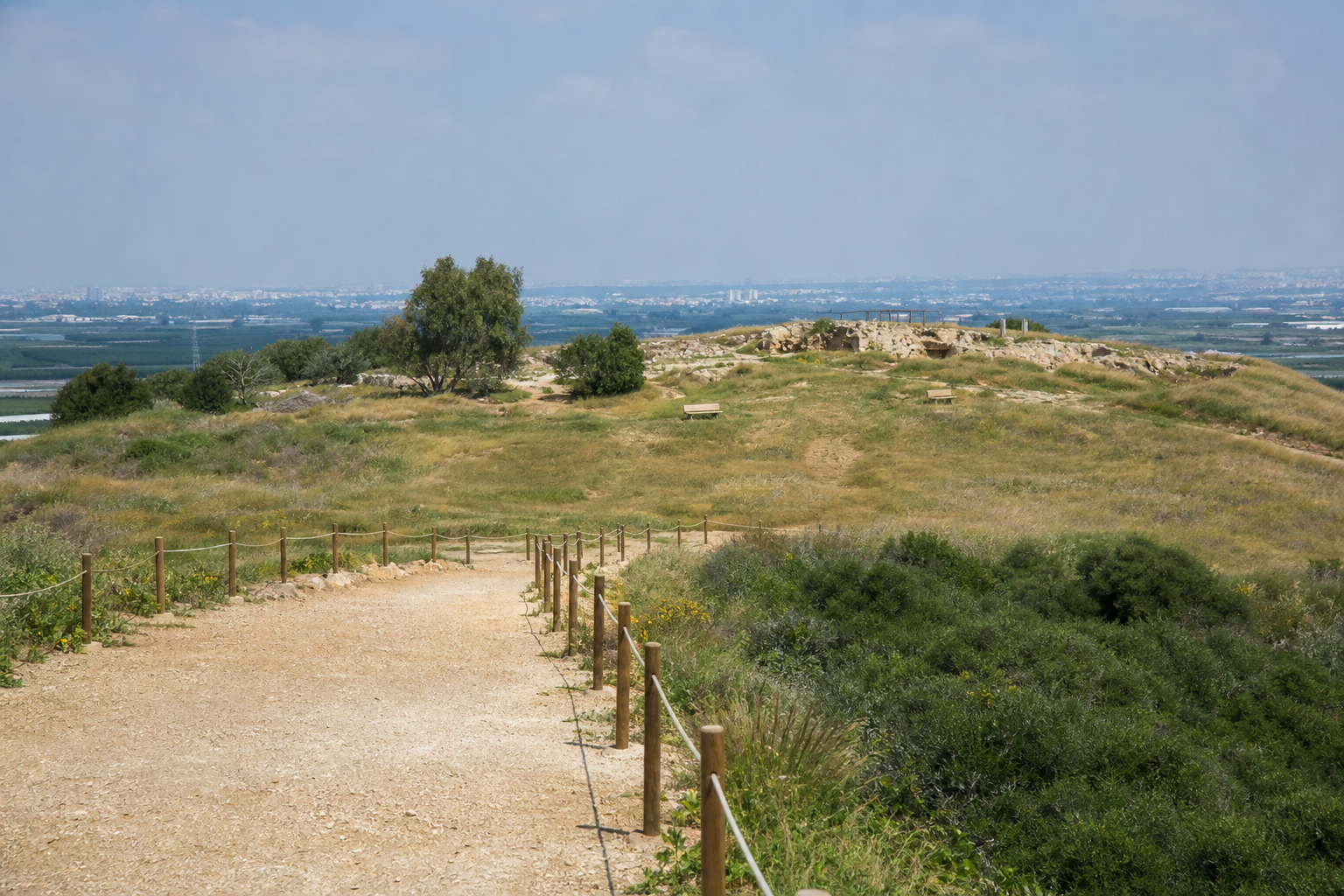
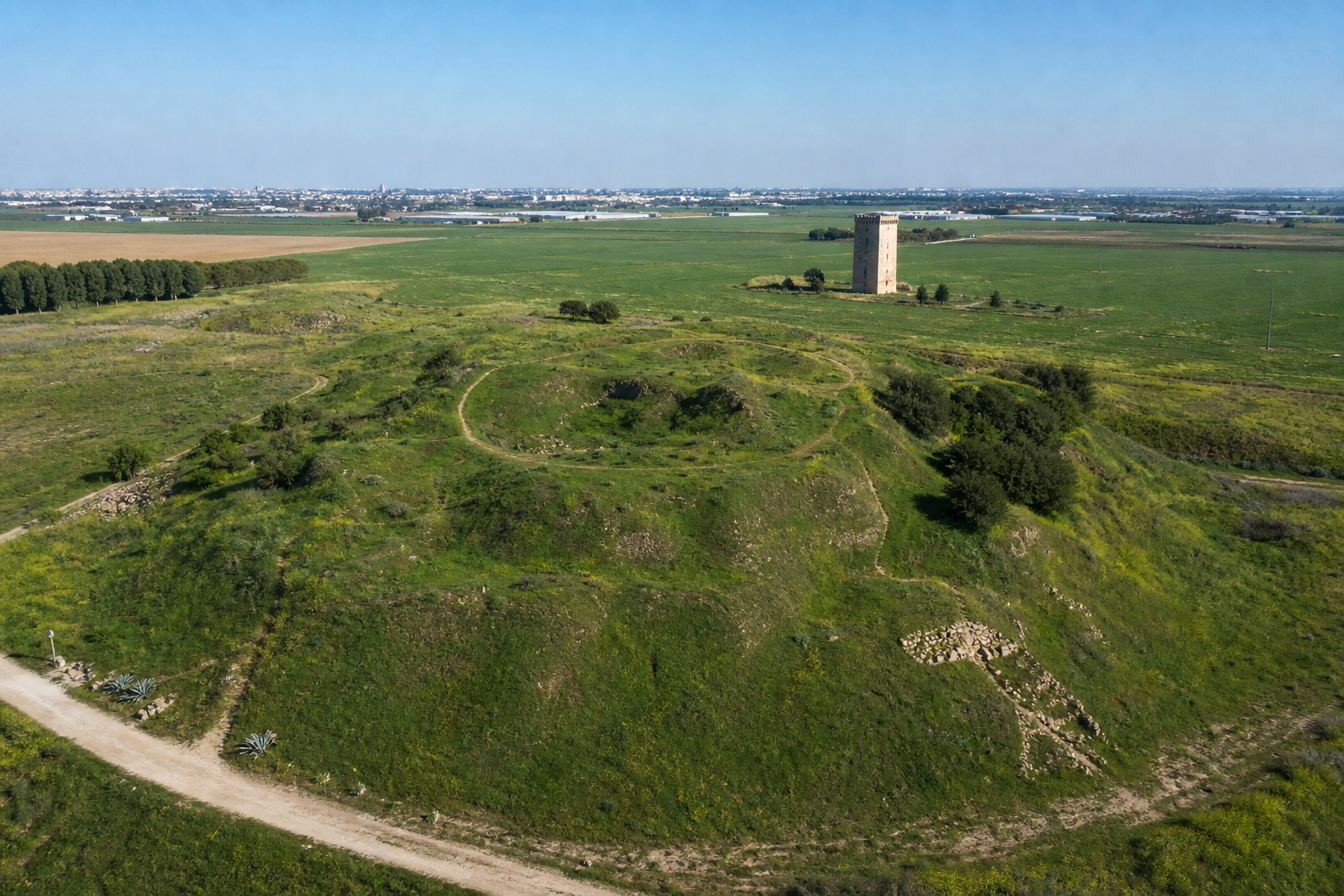
The site spreads across 450 meters long and 350 meters wide as an open green expanse in central Israel. A Mamluk tower rises visibly from the terrain, anchoring the landscape that developers are shaping into an accessible urban park.
Visitors enter from the east side where the Sanhedrin Garden park incorporates a 700-year-old bridge now open to the public. The structure once carried medieval traffic and now forms part of walking paths that connect different historical strata without barriers.
Four thousand years of occupation unfold here in sequence. Philistine pottery and settlement remains sit at the base layers, followed by biblical period activity, Roman and Byzantine structures, then Crusader fortifications built during the 12th century campaigns.
The Crusader presence left stone foundations and defensive works that later Mamluk rulers adapted into the surviving tower. Walkers trace these transitions along gentle slopes where each few meters represent centuries of successive control over the coastal plain.
Local authorities have cleared paths and installed minimal signage to let the terrain speak. No heavy reconstruction blocks the view of raw archaeological features, preserving the sense of discovery that draws day trippers from Tel Aviv thirty minutes away.
BibleWalks describes the mound precisely as a large open green area covering about 450 meters long and 350 meters wide. This scale allows a complete circuit in under an hour while revealing distinct occupation zones at each turn.
The nearby Yavne-Yam coastal site adds the maritime dimension. Philistine port activity once thrived there before Crusader forces used the same shoreline for supply lines during their inland pushes.
Free entry runs May 15-16 2026 across 54 heritage sites including both Tel Yavne and the Sanhedrin Garden. The Poalim initiative repeats similar weekends on May 8-9 and May 29-30 to encourage broader public exploration.
Families and hikers combine the mound visit with Palmachim National Park beaches nearby. The combined route creates a full day that moves from inland history to Mediterranean shoreline within twenty minutes by car.
Archaeologists note that the open layout lets visitors stand where Philistine and Crusader builders once competed for the same strategic ridge. The short distances between layers compress the timeline into tangible steps rather than abstract museum displays.
Development plans emphasize minimal intervention. Planners kept the Mamluk tower as the dominant visual marker while restoring the 700-year-old bridge as a functional crossing rather than a roped-off relic.
Local residents already use the new paths for evening walks. The park design channels foot traffic away from fragile excavation zones while still allowing close inspection of exposed stone courses from multiple eras.
Day trippers report the experience feels like walking through an open textbook. One circuit covers the Philistine coastal economy, the post-Temple Jewish academy traditions associated with Yavneh, the Crusader military architecture, and the later Mamluk overlay in continuous sequence.
Jerusalem Post coverage of the free entry weekends highlights strong advance interest from schools and tour operators. Organizers expect thousands of additional visitors during the designated May dates who might otherwise overlook the site.
The mound's transformation avoids heavy commercialization. No gift shops or cafes intrude on the core area, keeping focus on the terrain itself and the direct connection between ancient events and present landscape.
Access remains straightforward from Highway 4 with clear signage directing drivers to the east-side Sanhedrin Garden entrance. Parking sits adjacent to the bridge, allowing immediate entry onto the main walking loop.
Historians emphasize that few Israeli sites compress such a wide chronological range into such compact geography. The 450 by 350 meter footprint contains evidence from Bronze Age trade through medieval warfare without requiring extended hikes or multiple separate locations.
Future phases may add shaded rest areas and updated interpretive panels, yet current plans preserve the raw visibility of the Mamluk tower and bridge as primary focal points. The result positions Tel Yavne as a practical half-day destination rather than a full archaeological expedition.
Visitors leave with a concrete sense of how successive powers reused the same elevation for defense and trade. The Philistine port economy at Yavne-Yam and the Crusader inland forts share the same ridge line, their stories now connected by modern footpaths.