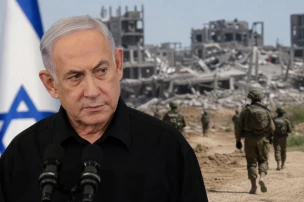

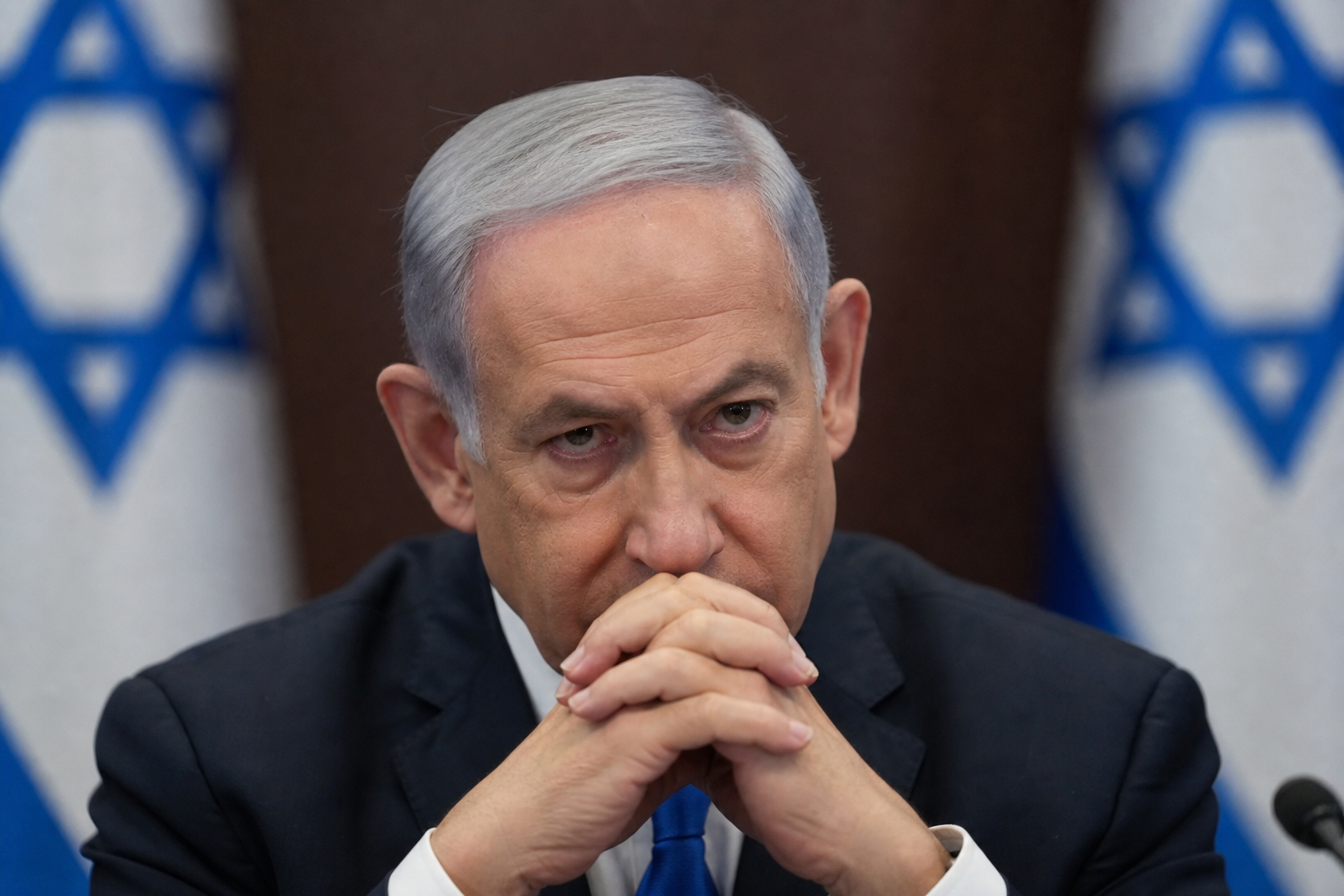
Prime Minister Benjamin Netanyahu has privately warned his ultra-Orthodox allies that early elections in September could lead to the defeat of the governing bloc.
The warning came as the six-party coalition submitted a bill on May 13, 2026, to dissolve the Knesset and pave the way for snap polls as early as late August or September, well before the scheduled date of October 27, 2026.
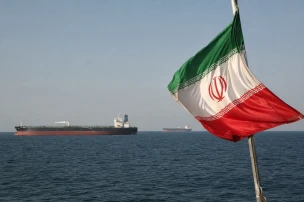
Netanyahu told the Haredi parties that Israel has not yet achieved the required accomplishment in Iran, making a September vote particularly dangerous for the right-wing alliance.
The ultra-Orthodox factions, United Torah Judaism and Shas, have grown impatient with the prime minister's inability to secure legislation exempting yeshiva students from compulsory military service.
This draft exemption bill has become a flashpoint in Israeli politics, with Haredi leaders threatening to withdraw support unless it passes quickly.
According to sources close to the discussions, Netanyahu argued that rushing to the polls in September would expose the coalition to criticism over the ongoing military campaign against Iran.
The Times of Israel reported that the prime minister's comments were made in private conversations with Haredi representatives.
Benjamin Netanyahu, the Israeli Prime Minister, stated that early elections in September could lead to the defeat of the governing bloc.
He also noted that Israel has not yet achieved the required accomplishment in Iran, according to the same reports.
The Guardian detailed how the coalition's decision to submit the dissolution bill on May 13 came amid rising anger from the Haredi parties over the stalled draft law.
Anadolu Agency covered the story, highlighting Netanyahu's fears that an early vote would hand an advantage to opposition forces.
Political analysts suggest that the right-wing bloc may struggle in a September contest because the public remains focused on security failures related to the Iran conflict.
The Haredi community, which forms a crucial part of the coalition, sees the draft issue as existential for their way of life centered around full-time Torah study.
Without the exemption law, thousands of young Haredi men face conscription, leading to protests and political pressure on their party leaders.
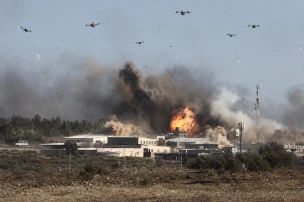
Netanyahu has tried to delay the elections to allow time for a breakthrough in the Iran operations, which include targeted strikes on nuclear sites and leadership targets.
Opposition figures have seized on the coalition's internal divisions, calling for immediate elections to replace what they describe as a dysfunctional government.
Yair Lapid, a prominent opposition leader, has called for unity against the current administration's policies.
Meanwhile, Aryeh Deri of Shas has pushed hard for the September date, believing it gives his party leverage to extract concessions on the draft bill.
Moshe Gafni, representing United Torah Judaism, echoed similar sentiments in recent Knesset sessions.
The potential early elections would reshape the political map in Israel, with polls indicating a tight race between the right-wing bloc and a possible centrist-left alliance.
Netanyahu's long experience in navigating coalition crises may be tested once again as he seeks to keep his partners on board until conditions improve.
The unfinished business with Iran involves multiple objectives, including degrading missile capabilities and preventing nuclear breakout, which military assessments indicate require more time.
If the elections proceed in September, the campaign would be dominated by security issues rather than domestic religious matters that the Haredi parties prefer.
This dynamic explains Netanyahu's reluctance and his direct warning to the allies about the risks of defeat.
Coalition partners are now weighing their options, with some Haredi members considering whether to force the issue or wait for better timing.
The Knesset is expected to vote on the dissolution bill in the coming weeks, setting the exact election date in motion.
Israeli voters, weary from prolonged conflict, may prioritize candidates who promise swift resolutions to both security and social tensions.
Netanyahu continues to balance these competing demands while maintaining his position as the longest-serving prime minister in the country's history.
Further developments will depend on whether a compromise on the draft law can be reached before the dissolution takes effect.
The situation remains fluid, with all sides aware that the timing of the elections could determine the future direction of Israeli policy on religion and state as well as national security.
In addition, the economic impacts of the Iran conflict have added pressure, with defense spending rising and affecting budget allocations for social services that Haredi communities rely on.
Public opinion surveys, though not officially released, reportedly show declining support for the current government among secular voters who demand equal burden sharing in the military.
This divide between religious and secular segments of society has widened over the draft exemption debate, threatening the stability of any future government.
Netanyahu's strategy appears to involve prolonging the current Knesset term to allow military achievements to bolster his image as a strong leader.
However, the Haredi parties' insistence on September leaves him with limited room to maneuver without risking the collapse of the coalition immediately.
International observers are watching closely, as a change in government could affect Israel's stance in regional diplomacy and relations with the United States.
The approach of the American administration to the Middle East might shift depending on who wins the next election.
Domestically, the debate over judicial reforms from previous years still lingers, with some coalition members wanting to revisit those issues before facing voters.
Overall, the coming months will be critical for Israeli politics as the country navigates these intertwined challenges of war, religion, and democracy.
Netanyahu remains determined to achieve the military goals first, viewing them as essential for any successful electoral campaign.
The Haredi allies, however, have their own constituencies to satisfy, making compromise difficult on the core issue of military service exemptions.
As the May 13 bill moves forward, the political drama in the Knesset intensifies with each passing day.
Observers note that this is not the first time Netanyahu has faced such coalition threats, yet the current combination of war and religious demands makes it particularly acute.
The outcome will likely influence Israel's approach to both internal cohesion and external threats for years to come.