
Saudi Arabia carried out multiple airstrikes on Iranian territory in late March without any public announcement at the time.
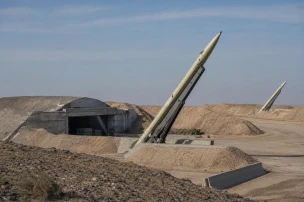
Reuters revealed the operations on May 12, drawing on accounts from two Western officials and two Iranian officials who confirmed the details. The strikes represented Riyadh's first known direct military action on Iranian soil and came after Iranian missile and drone attacks hit Saudi oil facilities, military bases and sites with U.S. connections.
The 40-day conflict had begun on February 28 when Iranian forces launched waves of missiles and drones at Saudi infrastructure. Those assaults damaged energy installations and prompted urgent defensive measures across the kingdom. Riyadh informed Tehran in advance of its planned response, according to the officials, signaling a calculated effort to avoid uncontrolled escalation while still delivering a direct reply.
One Western official briefed on the matter described the operation in simple terms: tit-for-tat strikes in retaliation for when Saudi Arabia was hit. The phrasing underscores how both sides treated the exchanges as measured counters rather than open declarations of war.
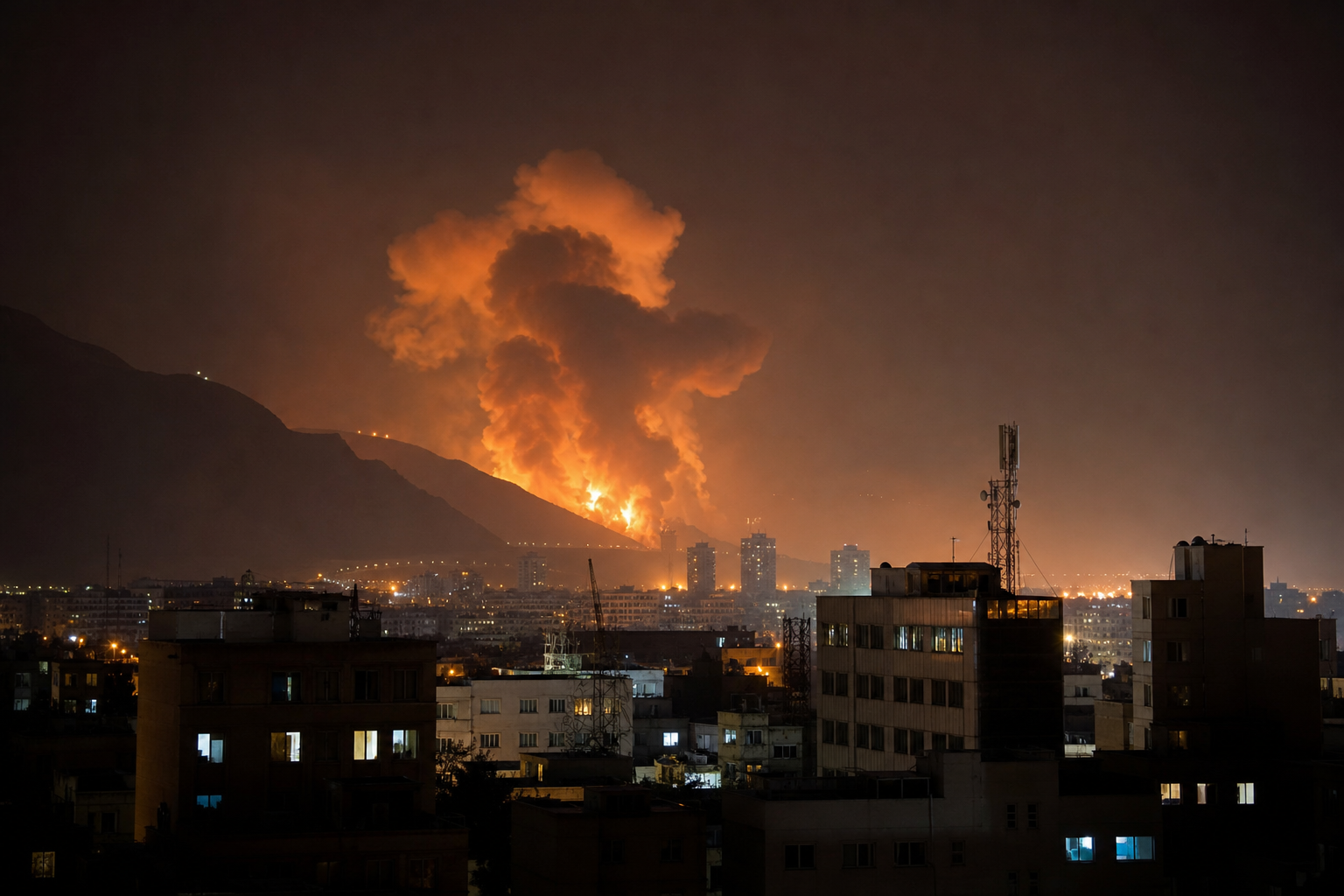
Iranian officials who spoke to Reuters confirmed that the Saudi aircraft struck several military-related sites inside their country. They declined to specify exact locations or damage assessments, yet the admissions themselves marked a departure from Tehran’s usual pattern of denying or downplaying such incidents. The advance notification from Riyadh appears to have limited the scope of the response and prevented immediate further Iranian retaliation.
The timing placed the strikes roughly halfway through the broader regional war. By late March, fighting had already drawn in multiple proxy forces across Yemen, Iraq and Syria. Saudi commanders chose to respond directly rather than through those proxies, a shift that surprised some Western observers who had expected continued reliance on indirect confrontation.
U.S. officials monitored the exchanges closely but did not participate in the Saudi operation. Washington has long urged both Riyadh and Tehran to avoid steps that could widen the conflict into a full-scale regional war involving American forces. The fact that Saudi Arabia acted alone and then kept the action quiet for weeks suggests an attempt to manage the message both domestically and internationally.
Analysts in Washington and Tel Aviv noted that the strikes could reshape calculations for Israel as it faces its own tensions with Iran. A direct Saudi strike on Iranian soil demonstrates that Riyadh is willing to cross previous red lines when its energy infrastructure comes under attack. Israeli defense planners have watched the Saudi-Iranian exchanges for any sign that the kingdom might coordinate future moves with Jerusalem.
Oil markets reacted with caution once the Reuters report surfaced. Prices rose modestly on the first trading day after the disclosure, reflecting fears that further rounds of strikes could disrupt Gulf shipping lanes. Energy analysts pointed out that even limited damage to Iranian facilities could affect global supply if Tehran decides to close the Strait of Hormuz in response.
Saudi Arabia has not issued an official statement confirming or denying the operation. Riyadh typically avoids public discussion of its air operations inside Iran to prevent domestic pressure for wider confrontation. The decision to notify Tehran privately while keeping the matter out of the news for six weeks aligns with that long-standing approach.
Two Iranian officials who confirmed the strikes to Reuters described them as limited in scale yet symbolically important. They said the targets included military storage sites and command facilities rather than civilian infrastructure. This description matches the pattern of tit-for-tat actions both countries have followed during the current war.
The New York Post and the Times of Israel both published summaries of the Reuters reporting on May 12 and 13, respectively. Their coverage highlighted that the strikes constituted the first publicly confirmed instance of Saudi aircraft hitting Iranian territory directly. Previous Saudi-Iranian clashes had occurred through proxies or in international waters.
Regional diplomats expressed concern that the revelation could embolden hardliners in Tehran who favor a stronger military reply. At the same time, the advance warning from Riyadh may have given Iranian leaders room to calibrate their own response and avoid an immediate cycle of escalation. Both sides appear to be signaling that they still seek to contain the fighting.
Western intelligence assessments reviewed by officials in Washington concluded that the Saudi strikes achieved their narrow tactical objectives without causing widespread destruction. The limited nature of the operation suggests Riyadh calculated that a proportionate response would deter further Iranian attacks on its oil sector while preserving the possibility of future de-escalation talks.
For Israel, the development adds another layer to an already complex security environment. Iranian forces have increased drone and missile activity against Israeli targets since the war began in February. Saudi willingness to strike Iran directly could either pressure Tehran to reduce its regional footprint or prompt Iran to open additional fronts to relieve pressure on its homeland.
Energy security remains a central concern for both the United States and its Gulf partners. Saudi Arabia produces roughly 10 million barrels of oil per day under normal conditions. Any sustained threat to those facilities raises the risk of price spikes that could affect global inflation and economic growth. The covert strikes were therefore viewed in Washington as a necessary defense of critical infrastructure.
Officials in Riyadh have privately assured their American counterparts that further direct action will be considered only if Iran renews attacks on Saudi territory. The notification sent to Tehran before the late-March strikes appears to have been part of that same effort to maintain a degree of predictability even amid active conflict.
The revelation of the airstrikes has prompted renewed calls in Congress for clearer U.S. policy toward the Saudi-Iranian confrontation. Some lawmakers argue that Washington should encourage direct talks between the two countries, while others insist that stronger American military support for Riyadh is required to deter Iranian aggression. The Biden administration, or its successor in 2026, will face pressure to clarify its stance.
Israeli officials have remained largely silent on the specific Saudi operation, yet they continue to monitor Iranian responses closely. Any Iranian decision to escalate against Saudi Arabia could free up resources that Tehran might otherwise direct toward Israel or its proxies in Lebanon and Gaza. The interconnected nature of the conflicts means that moves in one theater quickly affect calculations elsewhere.
Over the coming weeks, diplomats from several countries are expected to explore whether the limited Saudi strikes and the advance warning that accompanied them can serve as a basis for informal understandings between Riyadh and Tehran. Both governments have shown interest in avoiding an all-out war that would devastate their economies and invite greater external intervention.
The Reuters report has already altered public perceptions of the conflict. What had appeared to be a war fought mainly through proxies and at sea now includes direct strikes on each country’s homeland. That reality may force regional leaders to reassess the costs of continued escalation and the potential benefits of renewed diplomacy.