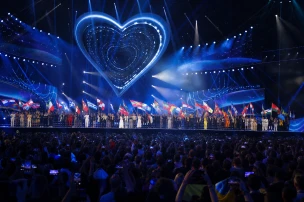

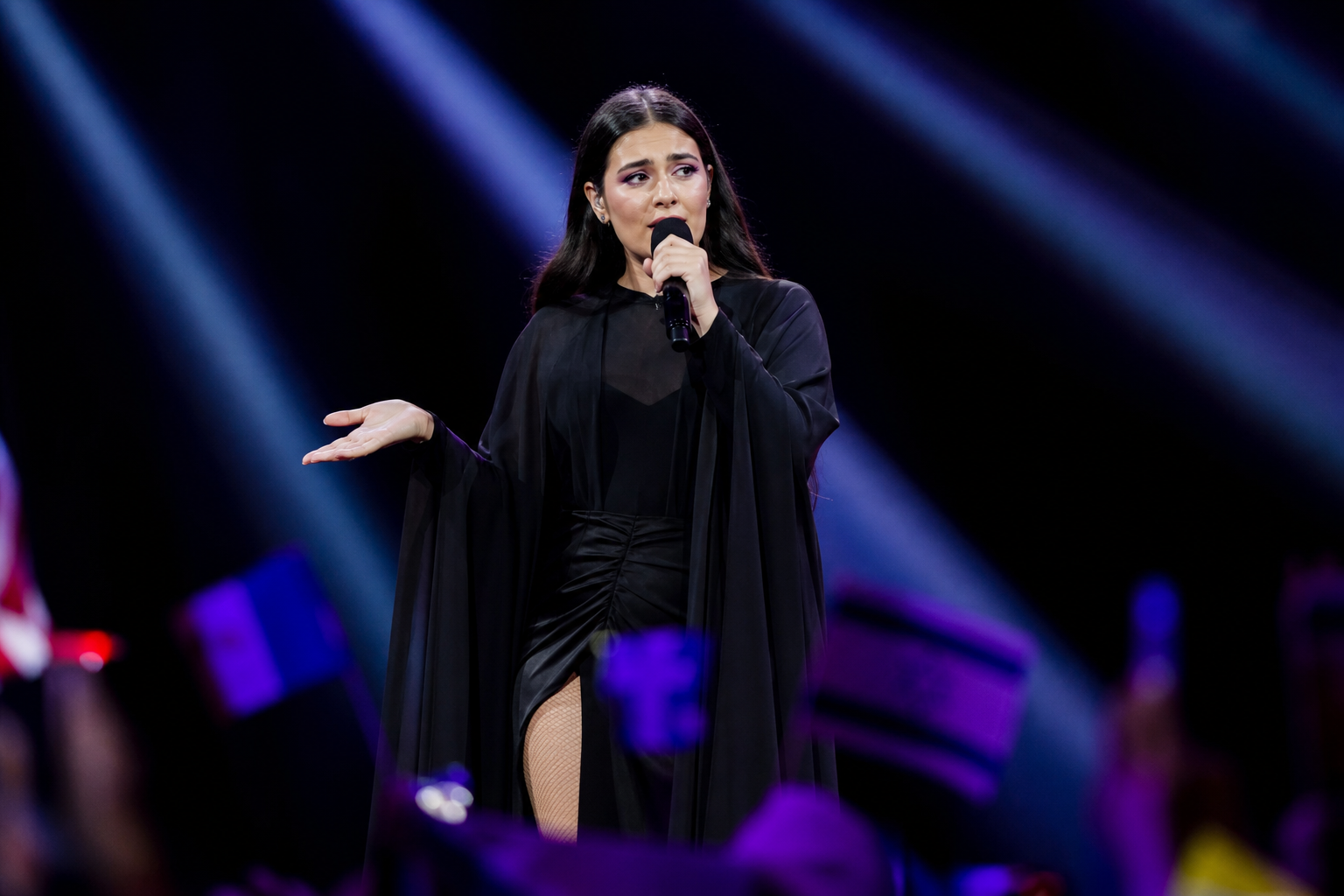
Boos rang out across the Wiener Stadthalle as Noam Bettan began his Eurovision performance for Israel.
The 28-year-old singer delivered his song Michelle on May 13 2026 during the first semi-final in Vienna.
Four pro-Palestinian activists interrupted the moment by chanting Stop the genocide before security removed them from the arena.
Bettan later described hearing the initial boos yet quickly sensing strong support from other audience members who drowned out the disruption with cheers.
You can't really prepare for booing. I heard the boos but quickly afterward I heard calls from people on our side who were making noise and lifting me up said Noam Bettan, the Israeli performer representing his country at the contest.
There was booing at the beginning but a second passed and immediately I felt a huge wave of love and support.
The moment highlighted ongoing political tensions surrounding Israel's participation in the contest.
Organizers had prepared for possible demonstrations given the charged atmosphere in recent years.
Security personnel acted swiftly once the chanting started ensuring the performance continued without further interruption.
Bettan focused on the positive reactions rather than the protests during his time onstage.
Supporters from various countries joined in applause and vocal encouragement as the song progressed.
The mixed reception did not prevent Israel from qualifying for the grand final scheduled for May 17.
Voting results placed the entry among the ten advancing acts from the semi-final.
Bettan expressed surprise at the level of backing he received from non-Israeli fans in the venue.
He noted that the wave of support arrived almost instantly after the initial boos subsided.
The performance itself featured a straightforward stage setup with emphasis on the vocal delivery of Michelle.
Contest officials confirmed that all safety protocols remained in effect throughout the evening.
Other contestants continued their rehearsals backstage while the incident was resolved within minutes.
Media coverage from the event captured both the disruption and the subsequent audience response.
Bettan spoke to reporters after the show about tuning out negative voices during high-pressure performances.
He credited the immediate surge of encouragement for helping him complete the song with focus.
The four removed activists were escorted out without further incident according to venue security.
Eurovision rules prohibit political statements from the stage yet audience reactions fall outside direct control.
Bettan arrived in Vienna earlier in the week for final preparations and promotional activities.
His team had anticipated some level of protest given the broader geopolitical context.
Despite that expectation the intensity of the boos caught him off guard for a brief moment.
The supportive response from sections of the crowd quickly restored his composure.
Israel has maintained its presence in the contest through previous cycles of similar tensions.
Bettan viewed the qualification as validation of his preparation and artistic choices.
Rehearsal footage released prior to the semi-final showed a polished and emotionally charged rendition of Michelle.
Audience members seated near the protestors expressed frustration at the interruption during the live broadcast.
The incident lasted only seconds before order was restored inside the hall.
Bettan later thanked fans online for their messages of solidarity following the performance.
Organizers issued a standard statement reaffirming commitment to a safe environment for all participants.
The grand final will feature 26 countries including Israel after the semi-final results.
Bettan plans to refine his staging elements ahead of the May 17 showdown.
Political demonstrations have become a recurring element at recent Eurovision events involving Israel.
Security teams received additional briefings on managing such situations without escalating confrontations.
Bettan emphasized that the music remained his primary focus throughout the evening.
The boos represented one segment of the audience while cheers came from many others present.
His comments highlighted resilience in the face of unexpected crowd reactions.
Reporters noted that the performance maintained its professional standard despite the brief disruption.
Vienna authorities monitored the situation around the venue before during and after the show.
Bettan described the overall experience as one of contrast between protest and affirmation.
The qualification sets up another high-stakes appearance for Israel in the final round.
Supporters gathered outside the arena voiced encouragement as Bettan left the venue.
The event underscored how cultural competitions can intersect with wider political debates.
Bettan expressed hope that the focus would remain on the artistic merit of the entries.
Further rehearsals for the final are scheduled in the coming days at the same venue.
His team continues to monitor developments and prepare contingency plans for additional protests.
The semi-final outcome demonstrated that audience reactions did not sway the overall voting results.
Bettan remains determined to deliver a strong performance in the grand final on May 17.
The episode adds another chapter to discussions about politics and participation in international music events.
Additional details emerged from the venue showing how quickly the crowd shifted focus back to the music after the brief interruption allowing the performance to conclude smoothly.
Observers noted the professional handling by staff which prevented any escalation and kept the event running according to schedule.
Bettan continued to highlight the supportive elements of the audience in subsequent interviews emphasizing the positive energy that carried him through the remainder of the song.