
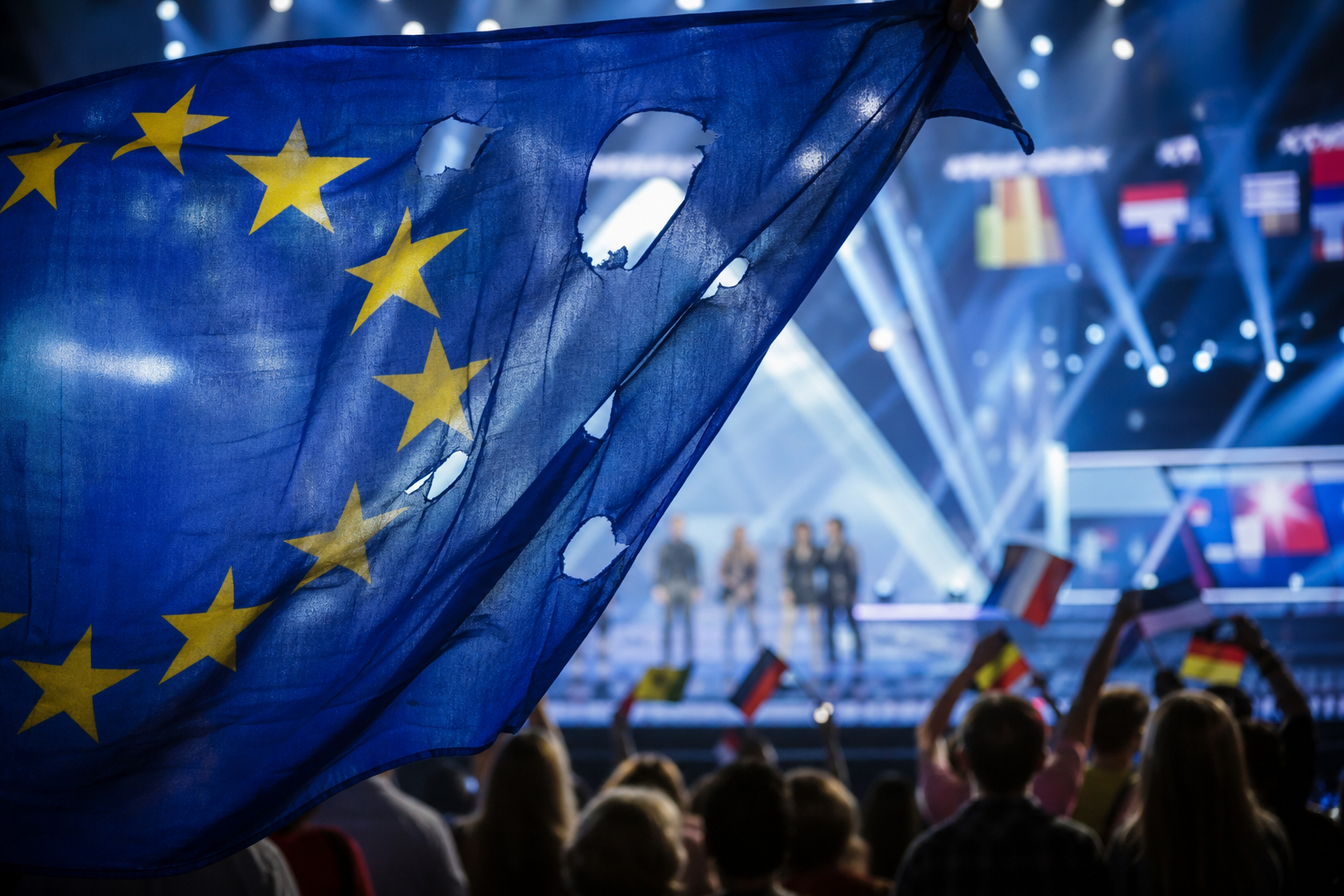
Five European broadcasters have chosen absence over participation in the 70th Eurovision Song Contest in Vienna. Spain, Ireland, Slovenia, Iceland, and the Netherlands announced their boycotts in December 2025 after the European Broadcasting Union rejected calls to exclude Israel.
The decision leaves the anniversary edition without major financial contributors and multiple past winners. Viewership that reached a record 166 million in 2025 now faces sharp contraction as these nations refuse to air the event.
Eurovision began in 1956 precisely to counter the divisions that fueled World War II. The European Broadcasting Union launched the contest as a live television experiment to reconnect nations through music rather than conflict. Switzerland hosted the first edition with only seven countries. The format spread rapidly because it offered shared celebration instead of recrimination.
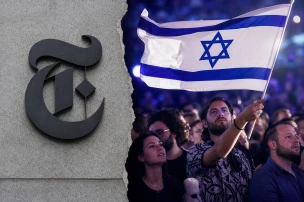
Israel joined in 1973, four years after its own public broadcaster became an EBU member. The country has since won four times and maintained consistent participation. Its inclusion has never hinged on regional politics but on the technical and cultural criteria applied to every participant.
Dr Dean Vuletic, a historian who has studied every edition, stated: "This is the biggest political boycott of Eurovision ever." He noted that previous disputes involved individual songs or artists, not wholesale national withdrawals.
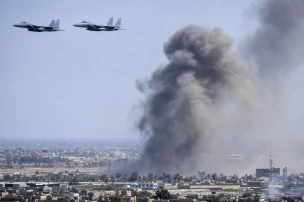
The current absences coincide with Israel's ongoing military operations in Gaza. Protesters cite a death toll exceeding 72,000. Spain and Ireland have framed their decisions as responses to those casualties. Slovenia, Iceland, and the Netherlands cited similar humanitarian concerns when confirming non-participation.
Yet the contest's founding charter contains no mechanism for excluding members based on foreign policy. The EBU has repeatedly stated that Eurovision remains a non-political song competition open to all active members. Israel's delegation advanced from the semi-finals held May 12-14, 2026, following standard audience and jury voting.
Spain's withdrawal carries particular weight. As one of the five largest financial contributors, its absence reduces the production budget and removes a consistent top-ten performer. Ireland, a seven-time winner, has historically used the contest to project cultural confidence after decades of economic and political isolation. Its decision signals how deeply the Gaza conflict has penetrated even traditionally supportive members.
Previous political tensions never produced coordinated national exits. The 2019 Israeli hosting in Tel Aviv drew protests but full participation. The 2024 contest in Malmö saw demonstrations yet maintained broadcaster involvement across Europe. The scale of the current boycott marks a departure from that pattern.
Unnamed Guardian commentators observed that the mood in Vienna already differs from past years. One noted simply that the event is meant to be joyous but this year feels sad. That sentiment captures the core tension between the contest's entertainment mandate and external pressures.
Financial consequences extend beyond immediate production costs. Host city Vienna invested heavily in infrastructure and promotion expecting maximum global exposure. Reduced live broadcasts in five countries limit sponsorship value and tourism spillover. Smaller participating nations that rely on the event for visibility now compete for attention in a diminished field.
The European Broadcasting Union faces a structural dilemma. Allowing political boycotts to dictate membership risks turning every future conflict into a membership test. Conversely, enforcing participation against domestic broadcaster opposition could fracture the union itself. Neither path preserves the original postwar reconciliation mission.
Israel's public broadcasters have maintained that the contest should judge songs, not governments. They point to past winners from countries with contested policies who still competed without expulsion. This position aligns with the EBU's long-standing refusal to introduce political litmus tests.
Pro-boycott voices argue that Israel's actions in Gaza cross a threshold requiring cultural sanctions. They compare the situation to past exclusions or protests against other nations during acute conflicts. The difference lies in the absence of any EBU rule authorizing such exclusions based on military conduct.
History shows that politicizing the contest erodes its audience. The 1990s editions suffered when eastern European transitions introduced voting blocs and regional alliances. Viewers tuned out when results appeared predetermined by politics rather than melody. Similar audience fatigue could accelerate if boycotts become routine.
The founding generation that created Eurovision had lived through occupation, bombing, and genocide. Their explicit goal was to build habits of cooperation through shared cultural events. Music offered a neutral language when diplomatic channels remained fragile. Removing that neutrality converts the stage into another arena for grievances the contest was designed to sidestep.
Vienna itself symbolizes the shift. The city hosted triumphant editions in 1967 and 2015 that emphasized European reintegration. This year's empty seats from five nations underscore how quickly the unifying project can unravel when external conflicts dictate participation.
Restoring the original purpose requires broadcasters to separate song contests from foreign policy. That separation does not require indifference to Gaza casualties or any other humanitarian crisis. It requires recognizing that Eurovision possesses no tools or mandate to resolve those crises. Its sole remaining function is to keep nations singing together when politics otherwise divides them.
Without that recognition, the 70th edition may mark the beginning of a smaller, more fragmented contest. Future anniversaries could feature fewer participants and lower stakes until the event loses the scale that once made it a genuine continental ritual. Europe would then have discarded the one postwar invention explicitly built to prevent such fragmentation.